


Your energy bills are going up again this autumn. From 1 October 2026, the energy price cap rose by 4%, so a typical household on a standard tariff will now pay around £1,723 a year for gas and electricity. This is the second rise in a row, and it arrives just as the heating goes on for winter.
In this guide, we’ll explain what the energy price cap actually is, why it has changed, how much it could cost you depending on where you live, and how solar panels can help you take back control of your bills. We’ll also show you how you could get solar panels fully funded, with nothing to pay upfront.
What Is the Energy Price Cap?
The energy price cap is set by Ofgem, the UK’s energy regulator. It limits how much energy suppliers can charge you for each unit of gas and electricity you use, as well as the daily standing charge.
A unit of energy is measured in kilowatt-hours (kWh). One kWh is roughly the energy used to boil a full kettle around ten times. The standing charge is a fixed daily fee you pay just for being connected to the grid, whether you use any energy that day or not.
The most important thing to know is that the cap limits the price per unit, not your total bill. If your home uses more energy than average, you’ll pay more than the headline figure.
The cap covers around 22 million households in England, Scotland and Wales who are on a standard variable tariff (also called a default tariff). If you’ve signed up to a fixed-rate deal, your prices stay the same until that deal ends.
What Has Changed From October 2026?
From 1 October to 31 December 2026, the new rates for a typical household paying by Direct Debit are:
- Electricity: 26.32p per kWh, plus a standing charge of 54.83p per day
- Gas: 7.97p per kWh, plus a standing charge of 29.68p per day
Ofgem says the rise is down to higher wholesale gas prices, caused by the ongoing conflict in the Middle East. The increase hits gas hardest, with gas bills going up by around 8%, while electricity prices have barely moved.

That’s partly because the government has removed VAT from electricity bills between 1 October 2026 and 31 March 2027. Gas still carries 5% VAT. Without this temporary cut, the October energy price cap would have been higher still.
When Will the Energy Price Cap Change Next?
Ofgem reviews the cap every three months. The next announcement is due by 25 November 2026, covering January to March 2027. Nobody can say for certain what will happen, but wholesale gas prices are still under pressure, and the VAT break on electricity is only temporary. Many households are bracing themselves for bills staying high into 2027.
How the Energy Price Cap Changes Depending on Where You Live
Even though there’s one headline figure, the energy price cap is actually split into 14 different regions across Great Britain. The rate you pay depends on your postcode, not your supplier.
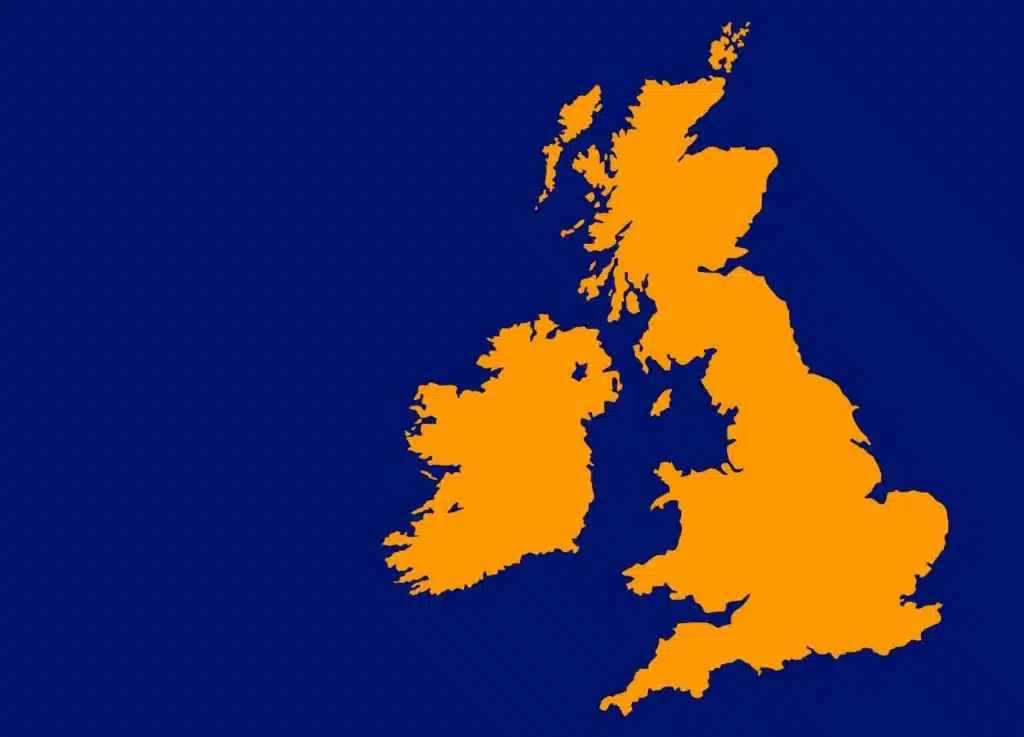
This is because the cost of running the local cables and pipes that bring energy to your home varies from area to area. Regions that are more spread out or further from where energy is generated tend to cost more to supply.
For the October to December 2026 period:
- Merseyside and North Wales have the highest electricity unit rate, at around 27.86p per kWh, as well as the highest electricity standing charge.
- The East Midlands has the cheapest electricity unit rate, at around 25.36p per kWh.
- London has the lowest electricity standing charge.
That gap can add up to over £60 a year on electricity alone for a typical home, before you even look at standing charges. You can check the exact rates for your area on Ofgem’s website.
If you live in Northern Ireland, the energy price cap doesn’t apply to you, as energy there is regulated separately. Prices can still rise, so the same money-saving ideas in this guide are just as useful.
What It Means for Homeowners With Solar
If you have solar panels, every unit of electricity your roof generates and your home uses is a unit you don’t have to buy from your supplier. The higher the price per unit, the more each unit of solar power is worth to you.
At the average October rate, every 1,000kWh of solar electricity you use at home saves you around £263. In Merseyside and North Wales, where rates are highest, that same 1,000kWh is worth nearly £279.
Solar works right across the UK too. The south gets a little more sunshine, but according to the Energy Saving Trust, solar panels can pay for themselves in around 9 years in London and around 11 years in Stirling in Scotland, once export payments are included. With panels lasting 25 years or more, that leaves many years of savings.
What It Means for Homeowners Without Solar
Without solar, you’re buying every single unit of electricity from the grid, at whatever price the energy price cap allows. When prices go up, you feel it straight away.
You’ll also keep paying the standing charge every day. At the average rate, that’s around £200 a year for electricity alone, before you’ve switched on a single light. If the cap rises again in January, there’s very little you can do except use less.
Switching to a fixed deal can help in the short term, but you’re still relying on your supplier for all of your power. Solar gives you a way to produce some of your own.
The Advantages of Solar Panels
Solar panels are one of the most practical ways to protect your home from rising energy prices. Here are some of the biggest benefits.
Generating Your Own Electricity
Solar panels turn daylight into electricity that powers your home. Once they’re installed, the sunlight is free. Everything from your fridge to your washing machine can run on power made on your own roof, which means fewer units bought at capped prices.
Making Your Roof Work for You
Most roofs sit there doing nothing all day. With solar panels, your roof becomes a small power station. An average home system is around 4.5 kilowatt peak (kWp), which is the most power it can produce in ideal conditions, and it usually takes up about 12 panels.
Relying Less on the Grid
The more of your own electricity you make, the less you depend on your supplier and on global gas prices. That makes future price cap changes much less worrying. Some homeowners choose to add a battery later on to store extra daytime power for the evening, but solar panels start cutting your bills from day one on their own.
Getting Paid for What You Don’t Use
If your panels make more electricity than you need, the extra goes back into the grid. Through the Smart Export Guarantee (SEG), energy suppliers pay you for every unit you send back. Rates vary between suppliers, so it’s worth shopping around.
Working in All Weathers
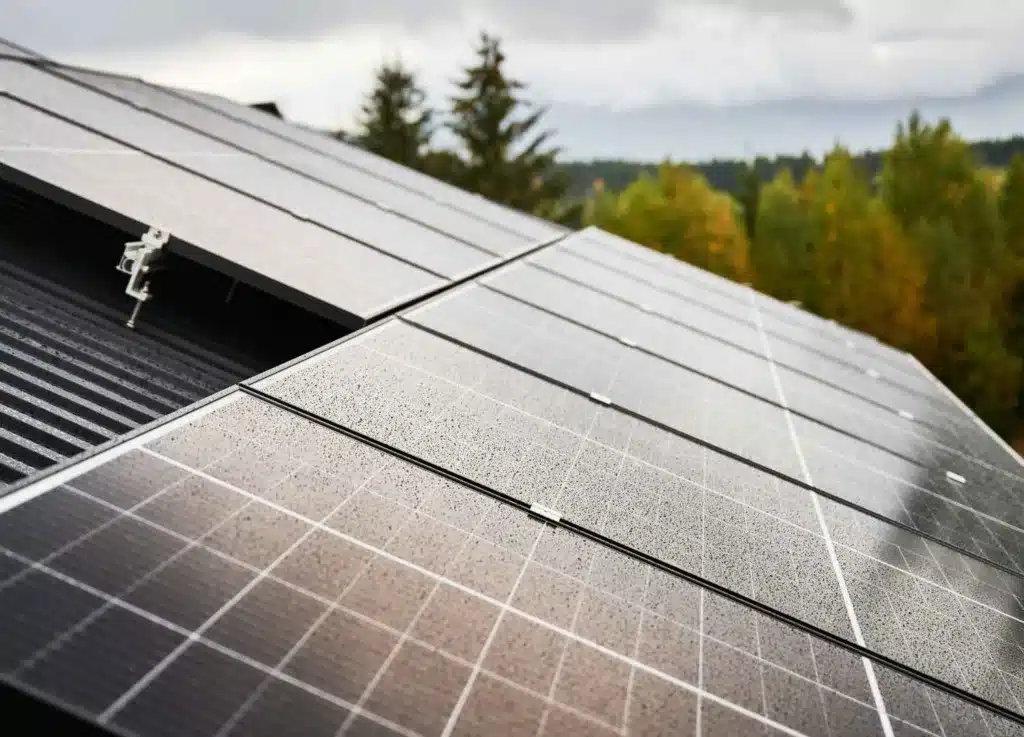
Solar panels don’t need bright sunshine to work. They still generate electricity on cloudy days, which makes them well suited to the UK. They also need very little maintenance, as rain helps keep them clean when they’re tilted at a slight angle.
Find Out How Much Energy Your Home Uses
To see how the new energy price cap affects you, it helps to know how much energy your home actually uses. There are a few easy ways to find out:
- Check your annual statement. Your supplier sends one each year, and it shows how many kWh you used over the last 12 months.
- Log in to your online account or app. Most suppliers show your usage month by month.
- Look at your smart meter display. If you have a smart meter, the in-home display shows your usage in real time.
- Take two meter readings. If you don’t have any of the above, note your meter reading today and again in a month, then multiply the difference by 12 for a rough yearly figure.
Once you have your yearly usage, you can work out your electricity cost. Multiply your kWh by 26.32p, then add the standing charge of 54.83p multiplied by 365 days.
For example, Ofgem‘s typical household uses 2,500kWh of electricity a year. That works out at about £658 for the electricity, plus about £200 in standing charges, making roughly £858 a year. A larger home using 4,000kWh would pay around £1,253 a year. Homes with electric heating or an electric car could pay far more.
Seeing these numbers is often the moment people realise how much of their bill solar panels could cover.
Solar Options for Your Home
There’s more than one way to get solar panels, and the right choice depends on your budget and circumstances.
Buying Outright
If you have the savings, you can pay for your system in full. According to the Energy Saving Trust, an average 4.5kWp system costs around £7,600 to install. Paying upfront means you keep all of the savings straight away.
Solar Panel Finance
If you’d rather spread the cost, finance lets you pay monthly. Many homeowners find that the money saved on their bills helps cover the repayments.
Government Support
The government’s Warm Homes Plan is set to include fully funded support for people on low incomes and low or zero-interest loans for homeowners. Details are still being finalised, so it’s worth keeping an eye on updates.
Fully Funded Solar Through Solar Panel Funding
For qualifying homeowners, Solar Panel Funding offers the UK’s only private solar grant, which means solar panels installed with nothing to pay. Whichever route you take, always make sure your installer is MCS certified, as this means they meet strict quality standards.
Fully Funded Solar Panels With Solar Panel Funding
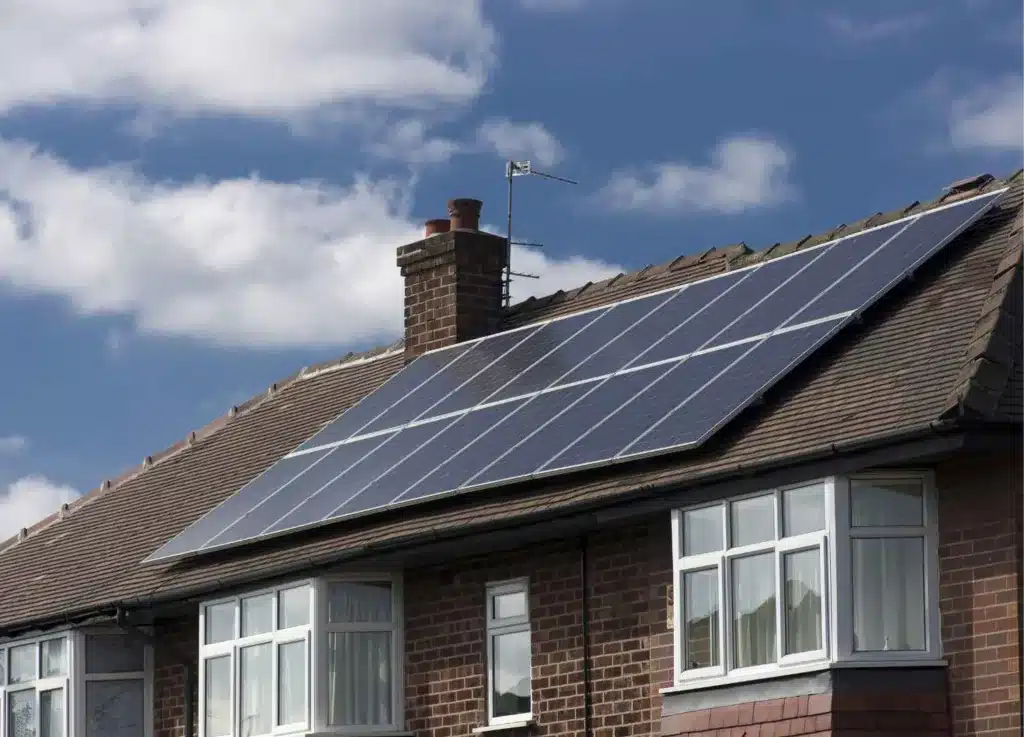
Our fully funded solar scheme was set up to help fight fuel poverty in the UK. Qualifying homeowners can have solar panels installed free of charge, funded privately rather than through a government scheme.
Here’s what makes it different:
- You own your panels. This isn’t a rent-a-roof or power purchase agreement.
- The savings are yours. Any money saved or earned by your system goes to you.
- It’s quick to check. Our postcode checker takes just 60 seconds.
To qualify, you’ll need to own and live in your home in the UK and have a suitable roof for solar panels. Full criteria can be found on our FAQ page.
Getting started is simple. Fill in the form, and our team will call you to talk through your options. If you’re happy to go ahead, a free, no-obligation survey will be arranged, followed by your installation.
With the energy price cap rising and more changes on the way, now is a great time to find out what you could get.
Take Control Before the Next Energy Price Cap Change
The October 2026 energy price cap has pushed typical bills up to £1,723 a year, and with another review due in November, prices could stay high well into 2027. Where you live affects how much you pay, but every household on a standard tariff is exposed to these changes.
Solar panels give you a way to generate your own electricity, rely less on the grid, and even get paid for the power you don’t use. Start by checking how much energy your home uses, then look at which solar option suits you best.
If you think you might qualify for fully funded solar panels, it only takes 60 seconds to check. If you found this guide useful, share it with friends or family who might be worried about their bills this winter.