
Lidl Plug-In Solar Panels: What They Are, When They’re Coming, and Whether They’re Worth the Wait
You’ve probably seen the headlines by now: Lidl is getting ready to sell solar panels. Not the big roof-mounted kind that needs scaffolding and a team of installers, but small kits you can plug straight into a wall socket.
The idea has been doing the rounds since the government first floated it back in March, and with summer well underway, the question on most people’s minds has shifted from “is this really happening?” to “so when can I actually buy one, and is it worth it?”
In this guide, we’ll walk through exactly what these panels are, why they’re being introduced, when you can realistically expect to see them in store, how much they’re likely to cost, and where the idea falls short. By the end, you’ll have a clear picture of whether plug-in solar fits your situation or whether your money is better spent elsewhere.
What Are Lidl Plug-In Solar Panels?
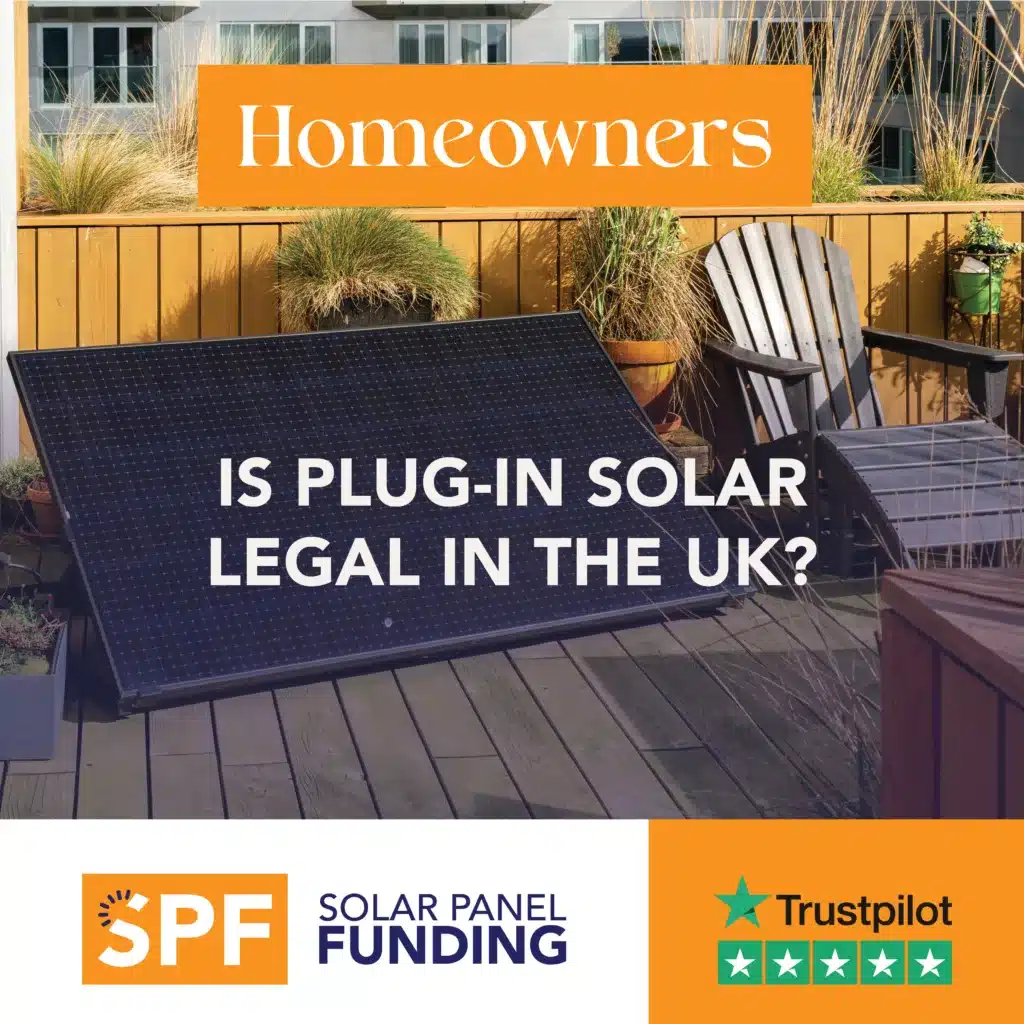
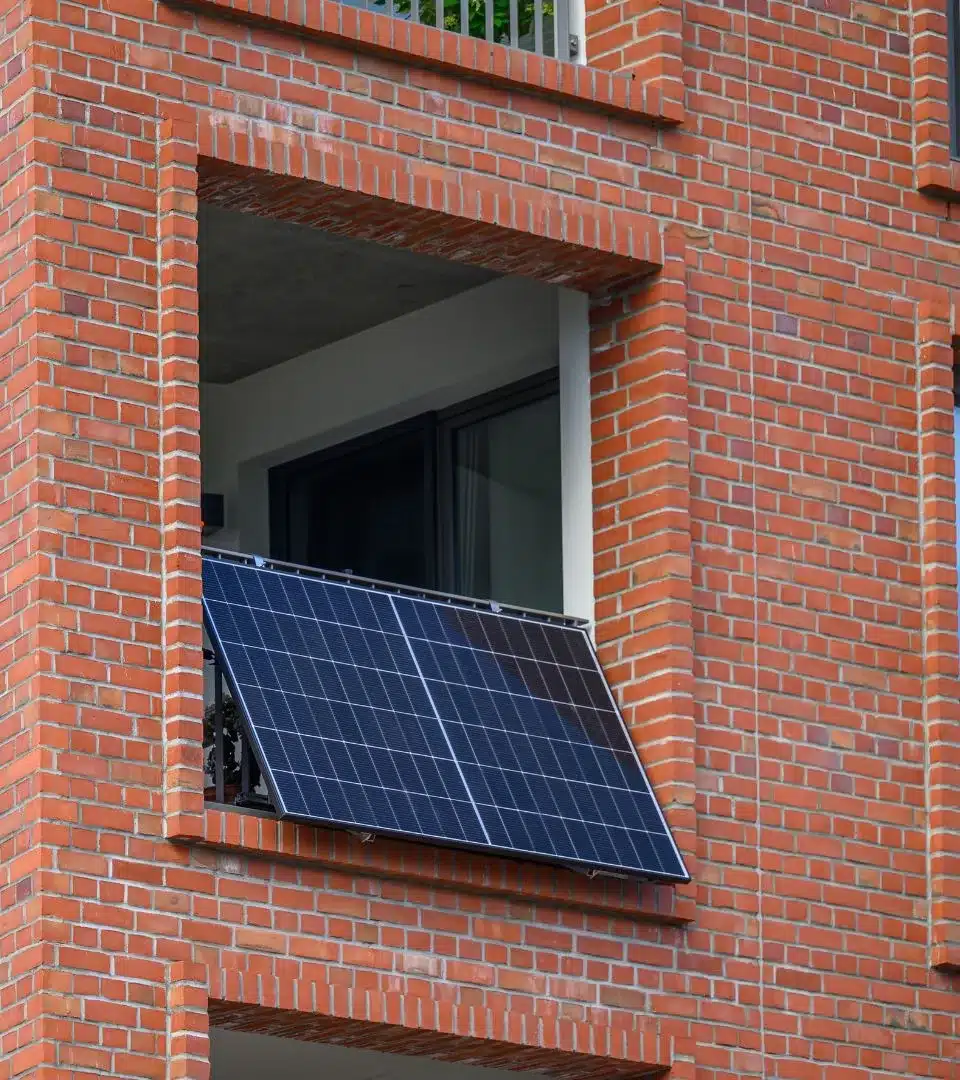
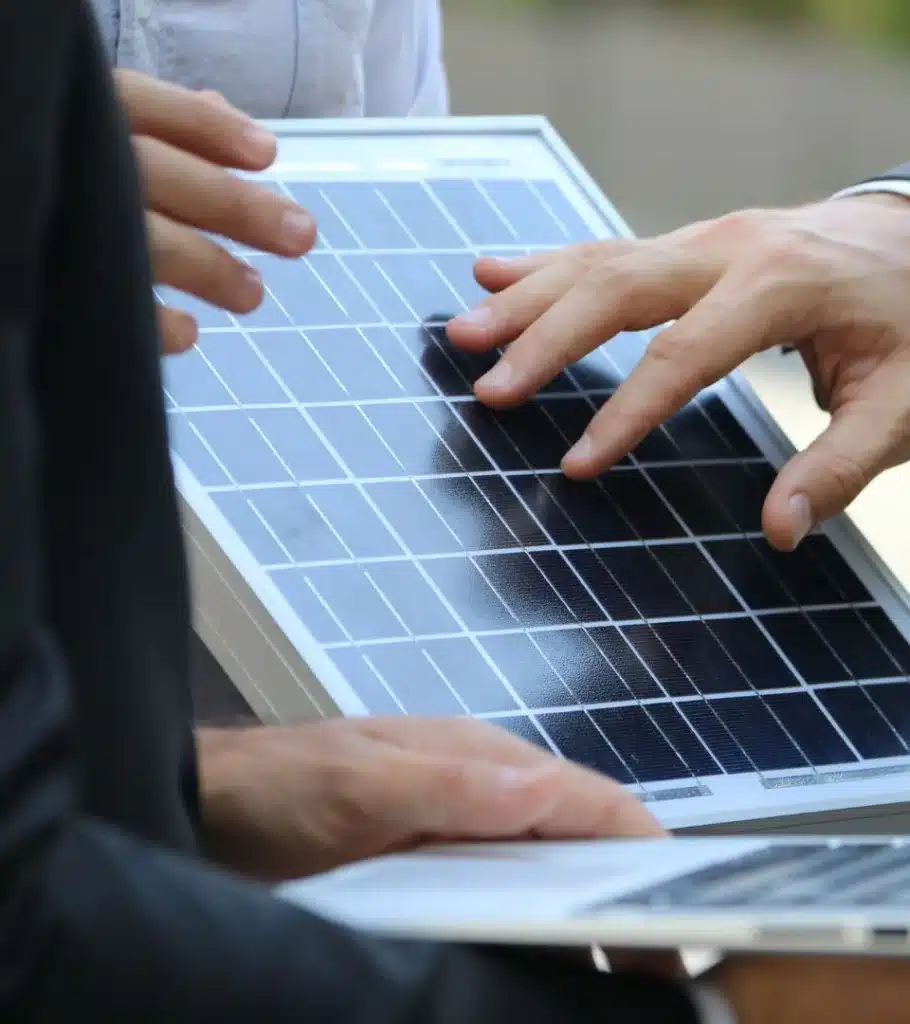
These small, low-cost solar kits are designed to be set up by anyone, with no electrician and no roof required. Instead of being wired into your home’s consumer unit by a professional, the system connects to a normal 13A socket, much like you’d plug in a kettle or a lamp.
The idea has been working well across parts of Europe for years. In Germany, where these kits are known as “balcony solar”, well over a million households have already registered one. Lidl has been selling similar kits in German stores for some time, and the UK version is expected to follow a similar format: one or two solar panels paired with a micro-inverter.
How Do They Actually Work?
The panels themselves generate direct current (DC) electricity from sunlight, the same way any solar panel does. The micro-inverter then converts that DC power into the alternating current (AC) your home’s appliances actually use, before it feeds into the socket and straight into your home’s circuit.
Whatever you’re running at the time, your kettle, your fridge, your laptop charger, draws on that solar electricity first, which means less power pulled from the grid and a smaller bill at the end of the month.
Why Is Lidl Selling Plug-In Solar Panels?
This isn’t Lidl acting alone. The push behind Lidl plug-in solar panels actually started with the UK government, which announced in March 2026 that it wanted to get this kind of low-cost solar technology onto shop shelves “within months.” The goal: make renewable energy genuinely accessible to people who’ve previously been locked out of it.
Officials have described the technology as easy to install and capable of helping households cut their energy bills significantly.
Other Retailers Backing the Move
Lidl isn’t the only big name involved. Amazon, Asda, B&Q, Currys, Screwfix and Wickes have all taken part in government roundtable discussions about bringing plug-in solar to UK consumers, and that list has grown as more retailers see the commercial opportunity ahead of expected regulation changes.

Manufacturers are equally keen. Lorna Wallace-Smith, head of UK communications at EcoFlow, one of the companies likely to supply the hardware behind Lidl’s kits, said the move would be “a very positive step for expanding access to renewable energy,” adding that getting kits into stores by summer would let households start generating their own electricity right away.
Are They Available to Buy Yet?
Not yet. As of June 2026, Lidl plug-in solar panels are not available in UK stores. The government originally hoped for a summer 2026 launch, but that timeline now looks unlikely to hold across the board. A wider rollout is expected in late summer or autumn 2026, once the British Standards Institution (BSI) finishes the new product safety standard that plug-in solar kits will need to meet before they can legally go on sale.
There’s no confirmed on-sale date yet, and Lidl tends to sell items like this as limited-time “Specialbuys” rather than permanent stock, so when it does arrive, it’s likely to sell out quickly.
How Much Will Lidl Plug-In Solar Panels Cost?
Based on pricing for similar kits already sold by Lidl in Europe, expect Lidl plug-in solar panels in the UK to cost somewhere between £299 and £450 for a complete kit. That’s broadly in line with what equivalent products from other brands already cost. An EcoFlow kit with comparable specifications, for example, is currently available through other retailers for around £450 to £500, so Lidl’s pricing isn’t likely to be dramatically cheaper, just more convenient to pick up alongside your weekly shop.
Should You Wait for Lidl, or Buy Now?
It’s likely to land near the bottom of the market once it arrives. The trade-off is timing: Lidl’s middle-aisle stock has a habit of selling out fast, so you could end up waiting months only to miss the drop entirely.
On the other hand, every month spent waiting is a month of savings you’re not making. An 800W plug-in kit installed in southern England can generate somewhere in the region of 750 to 850 kWh a year. At current electricity prices of around 24.5p per kWh, that works out to roughly £180 to £210 worth of electricity annually, savings you’d be missing out on for as long as you hold off.
How Much Could You Actually Save?
The government’s own estimate puts potential savings from plug-in solar at between £70 and £110 a year, with a typical payback period of around four years. That’s a genuinely useful saving for very little outlay, but it’s worth being realistic about what that figure represents in the bigger picture of your overall energy bill. It’s a small dent, not a transformation.
Who Are They Really For?
In truth, this product is aimed squarely at people who have no other route into solar. If you own your home and have a roof that gets decent sun, a full system will always outperform a plug-in kit, both in how much electricity it generates and how much you ultimately save. Plug-in solar exists for everyone else: renters, flat owners, and households without a roof to work with, who’d otherwise be shut out of solar entirely.
Where Can You Put a Plug-In Solar Panel?
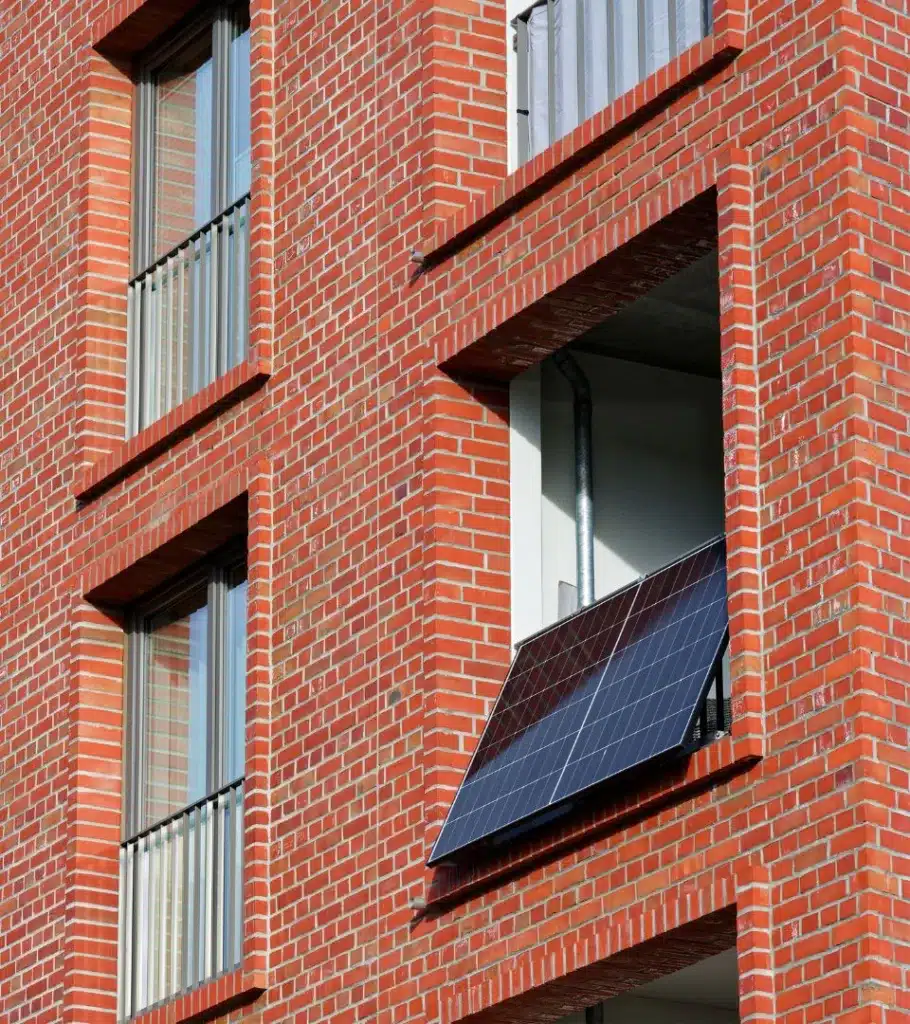
- Because there’s no roof installation involved, these kits are designed to go pretty much anywhere with decent daylight access, including:
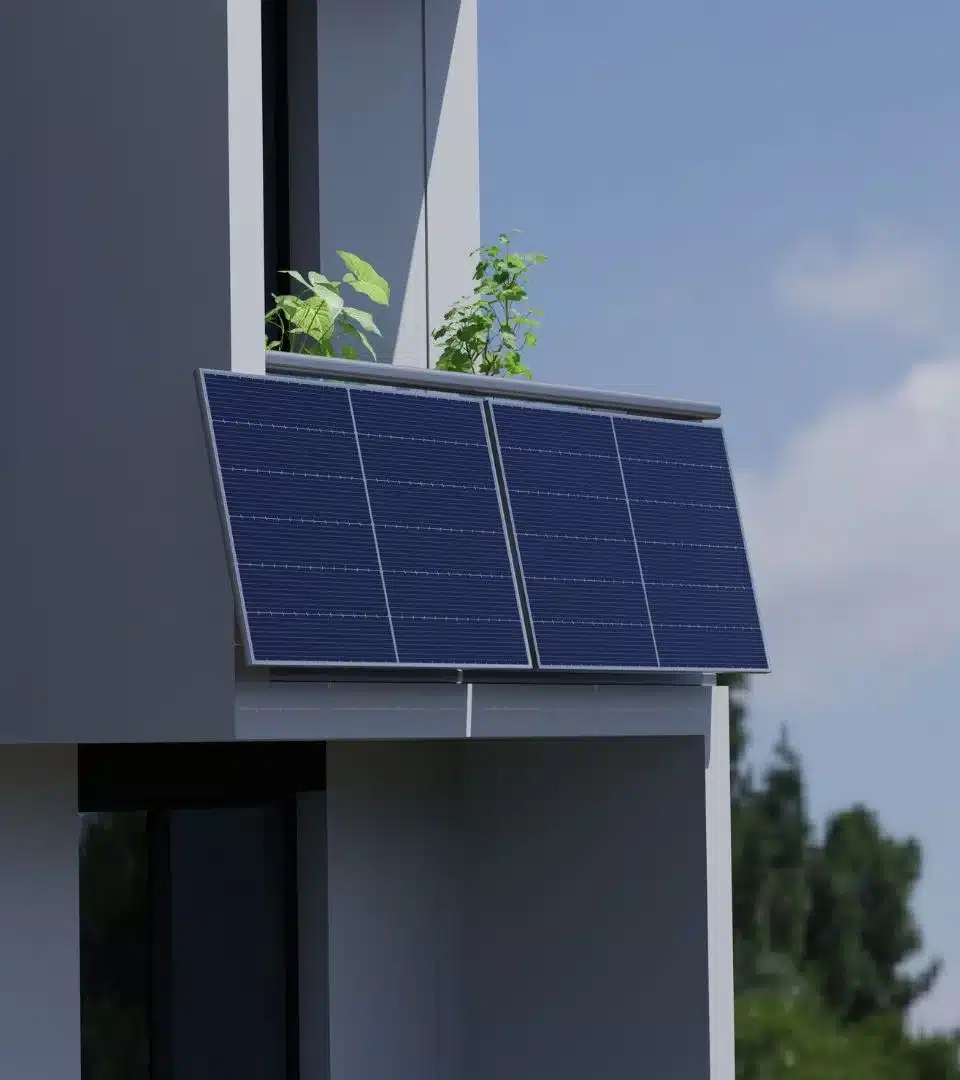
- A balcony railing or wall
- A garden fence, shed or patio area
- Propped against a south-facing window or door
This flexibility is the whole point. It means people who’d otherwise have no way to generate their own solar electricity, because they rent, live in a flat, or simply don’t have a suitable roof, finally have an option.
The Catch: What the Headlines Don’t Tell You
It’s easy to get swept up in the novelty of plug-in solar, but there are some real limitations worth knowing before you get your hopes up.
No export payments. Because these systems aren’t installed by a certified professional, they don’t qualify for Microgeneration Certification Scheme (MCS) accreditation. This means they’re not eligible for the Smart Export Guarantee (SEG), the scheme that pays homeowners for surplus solar electricity sent back to the grid. Any extra power your panel generates that you’re not using in that moment simply flows back to the grid for free.
Modest, situation-dependent savings. That £70 to £110 a year figure depends heavily on where you place the panel and how much electricity you’re using during daylight hours. Away at work all day with nothing running? Your savings will sit well below the upper end of that range.
Limited output by design. These are small, plug-and-play kits built for balconies and patios, not full rooftop arrays, so they will always generate a fraction of what a proper solar installation produces.
Safety considerations matter too. Mark Coles, head of technical regulations at the Institution of Engineering and Technology, has urged anyone considering a plug-in kit to have their home’s electrical system checked first, since safety can vary significantly from property to property. The government has said it will work with regulators and network operators to update wiring standards ahead of the retail launch, but it’s a sensible precaution worth taking regardless.
Lidl Plug-In Solar vs a Full-Funded Solar Panel System
This is really the heart of the matter. Lidl plug-in solar panels are a stopgap, not a solution. They’re a genuinely useful entry point if a full installation simply isn’t an option for you right now, but they were never designed to replace one.
Compare the numbers side by side. A plug-in kit might save you £70 to £110 a year. A full, professionally installed solar panel system, by contrast, can deliver savings and earnings of around 15 to 20% on your overall energy costs, year after year, while also opening the door to SEG payments for any surplus electricity you export. A plug-in kit has no export income built in at all. A full system can pay you for the power you’re not using.
If you own your home and have a roof that gets reasonable daylight, a plug-in kit will always be the smaller, short-term option sitting next to the real opportunity: a funded solar panel system designed around your home, sized to your usage, and built to keep paying you back for decades.
That’s exactly where Solar Panel Funding comes in. We help homeowners across the UK find out what funding and grants they could be eligible for, so you’re not stuck choosing between a £400 stop-gap and a system you assume is out of reach. A quick eligibility check costs nothing and takes a couple of minutes, and it’ll tell you whether a full, properly funded installation could be doing far more for your bills than a plug-in kit ever will.
The Bottom Line
Lidl plug-in solar panels are a genuinely interesting step for households who’ve been shut out of solar until now, no roof, no ownership, no problem. They’re affordable, simple to set up, and a fair option if a full installation truly isn’t on the table for you. But they’re not a replacement for a proper solar panel system, and the savings reflect that: modest, capped, and without any export income to back them up.
If you’ve got a roof and the option to go further, it’s worth finding out what a fully funded system could actually do for your bills before settling for a stop-gap. Check your eligibility for solar panel funding today, and find out what your roof could really be earning you.