

Is Plug-In Solar Legal UK? Here’s Where Things Really Stand
Lidl, Amazon and EcoFlow are already lining up stock. Government ministers have been pictured holding the panels for photo calls. Social media is full of people asking where they can buy one. With all that noise, it would be easy to assume plug-in solar panels are already sitting on UK shelves, ready to plug straight into your wall socket.
They are not, at least not yet.
If you have searched for whether plug-in solar is legal in the UK, the honest answer right now is “not quite, but it is close.” There is a real government plan in motion, a live consultation, and a fairly clear timeline. This guide breaks down exactly where the law stands today, what is changing, and what plug-in solar could mean for your energy bills once it does land.
What Is Plug-In Solar?
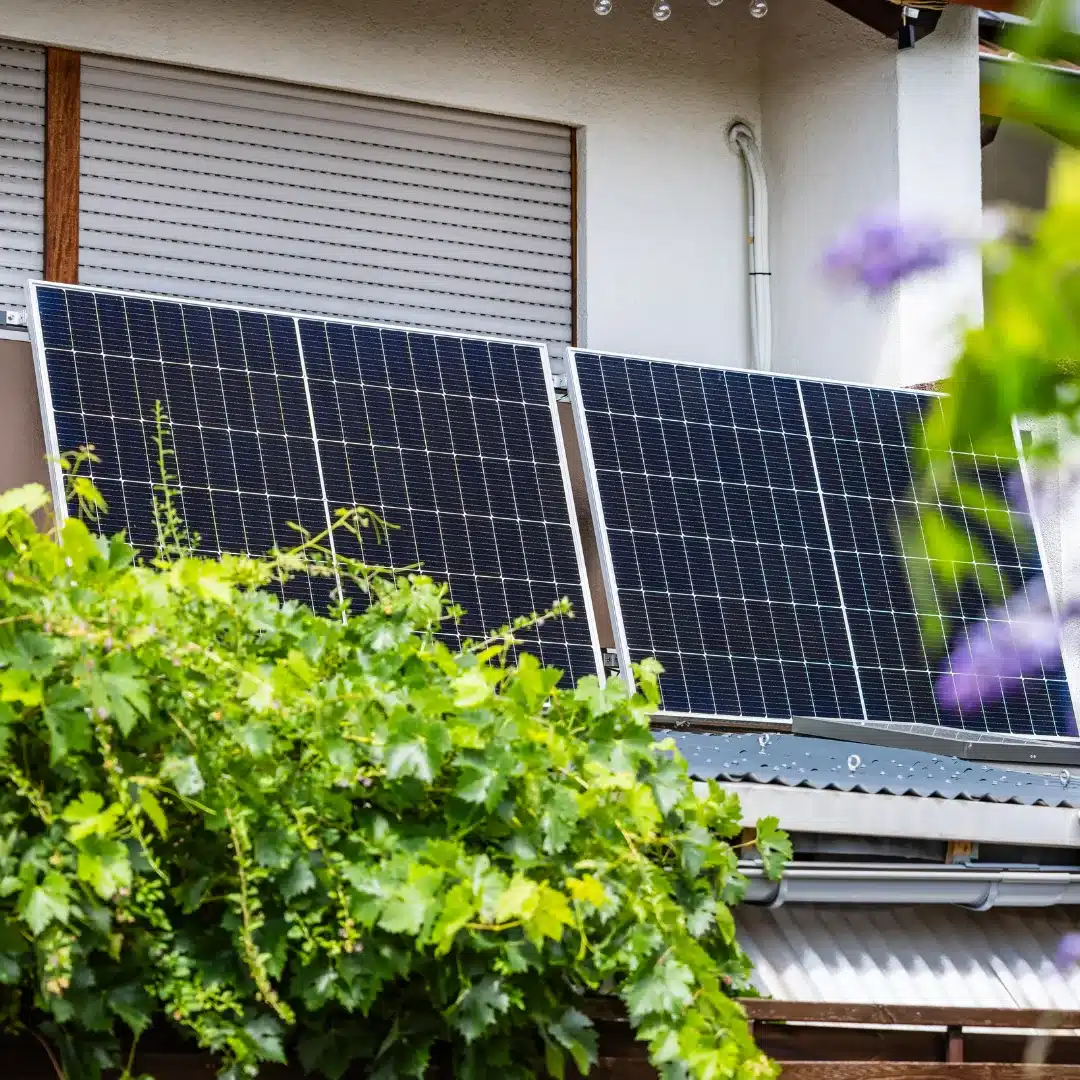
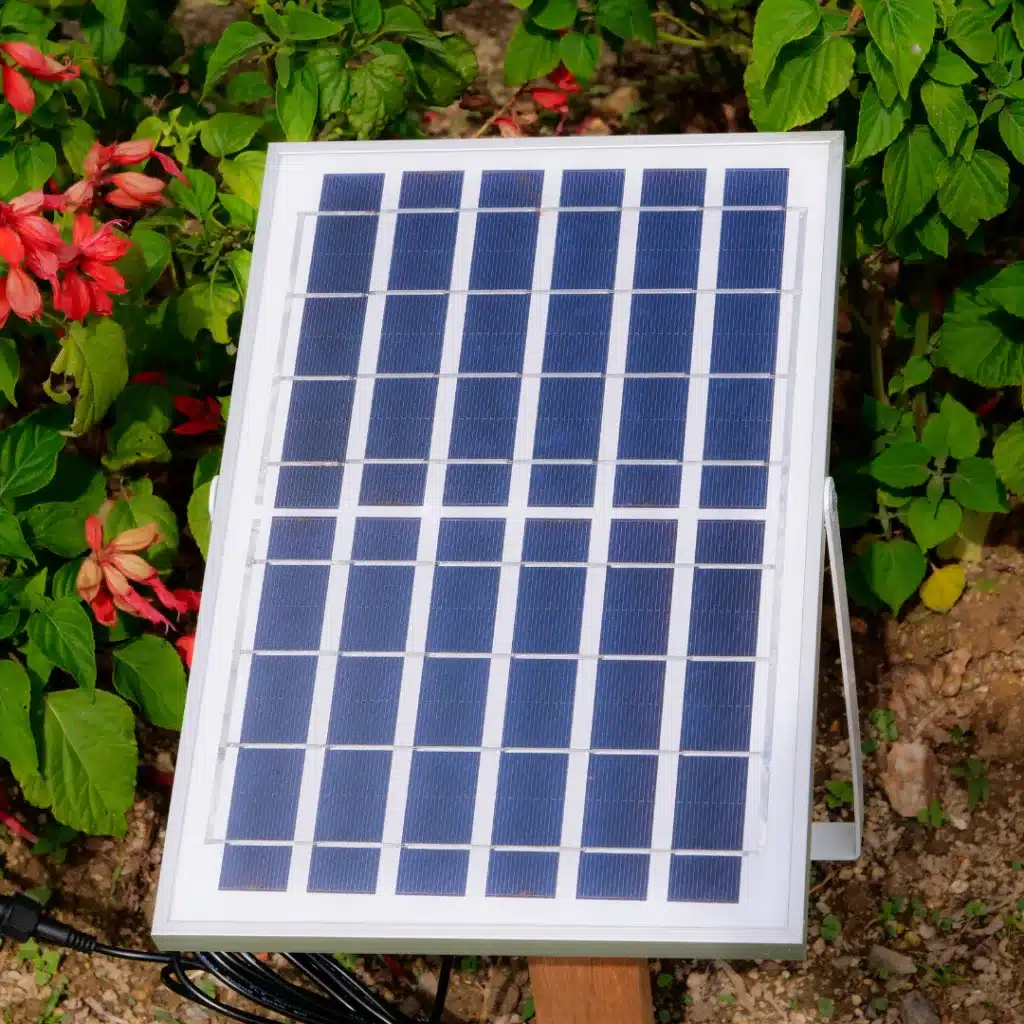
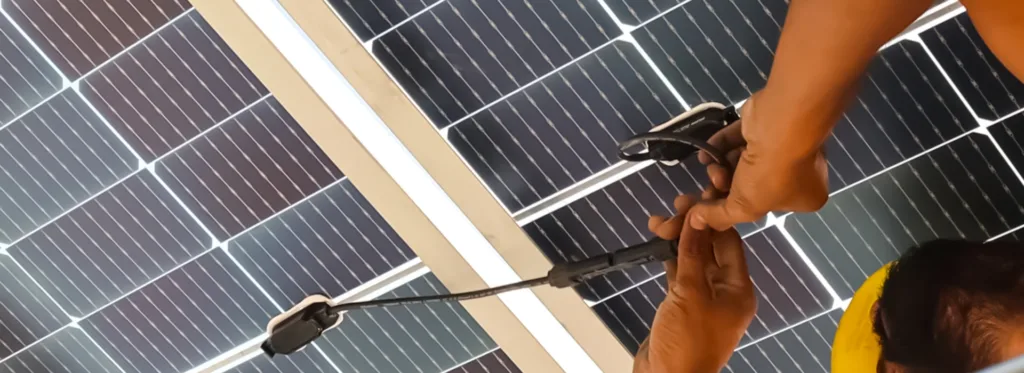
Plug-in solar (sometimes called balcony solar or plug-and-play solar) is a small, lightweight solar setup designed for people who cannot fit a full rooftop system. Instead of being wired into your consumer unit by an electrician, the panel connects to a compact device called a microinverter, which then connects to a standard UK three-pin plug.
The idea is simple: you plug it into a normal wall socket, much like you would a kettle or a laptop charger, and it quietly feeds clean electricity into your home while the sun is out. A typical small kit might generate around 300W, while a larger two-panel kit can reach up to 800W, which is the cap the government has proposed for these systems.
Over a year, an 800W kit can produce enough electricity to make a real dent in the running costs of always-on appliances like your fridge or broadband router. It has been common in countries like Germany for years, where hundreds of thousands of households plug a couple of panels onto their balcony rail each year. The UK has been playing catch-up, partly because our plug sockets and wiring rules were never designed with home generation in mind.
Is Plug-In Solar Legal in the UK Right Now?
Short answer: not yet.
As things stand, you cannot legally buy, sell or use a plug-in solar kit connected via a standard UK plug socket. This sits at the heart of most of the confusion around plug-in solar’s legal status in the UK, so it is worth explaining clearly, without the jargon.
What’s Actually Stopping It
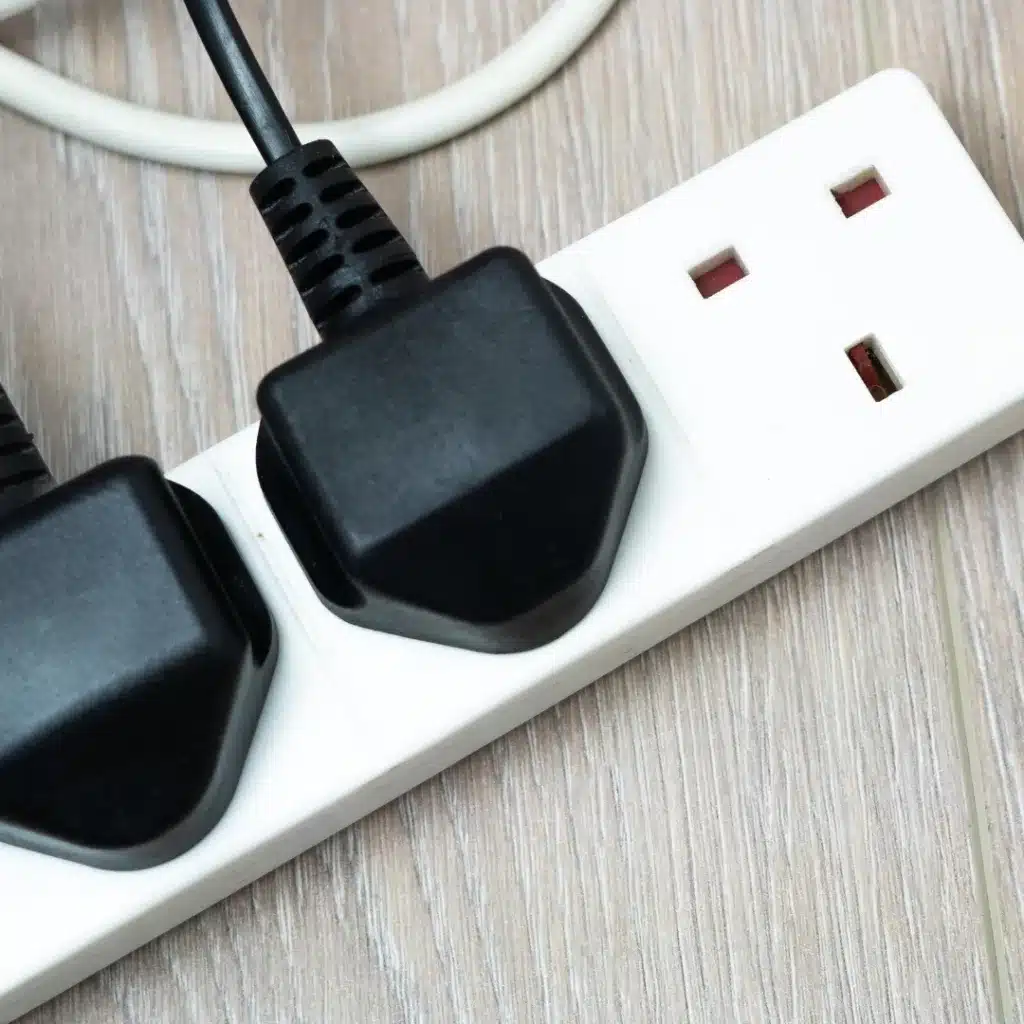
Two pieces of regulation are doing the blocking. The Plugs and Sockets etc. (Safety) Regulations 1994 require plugs to meet British Standard BS 1363, and that standard simply was not written to allow a plug to feed electricity into your home rather than draw it out. Separately, the Electricity Safety, Quality and Continuity Regulations 2002 require electrical installations to follow BS 7671 (the IET Wiring Regulations).
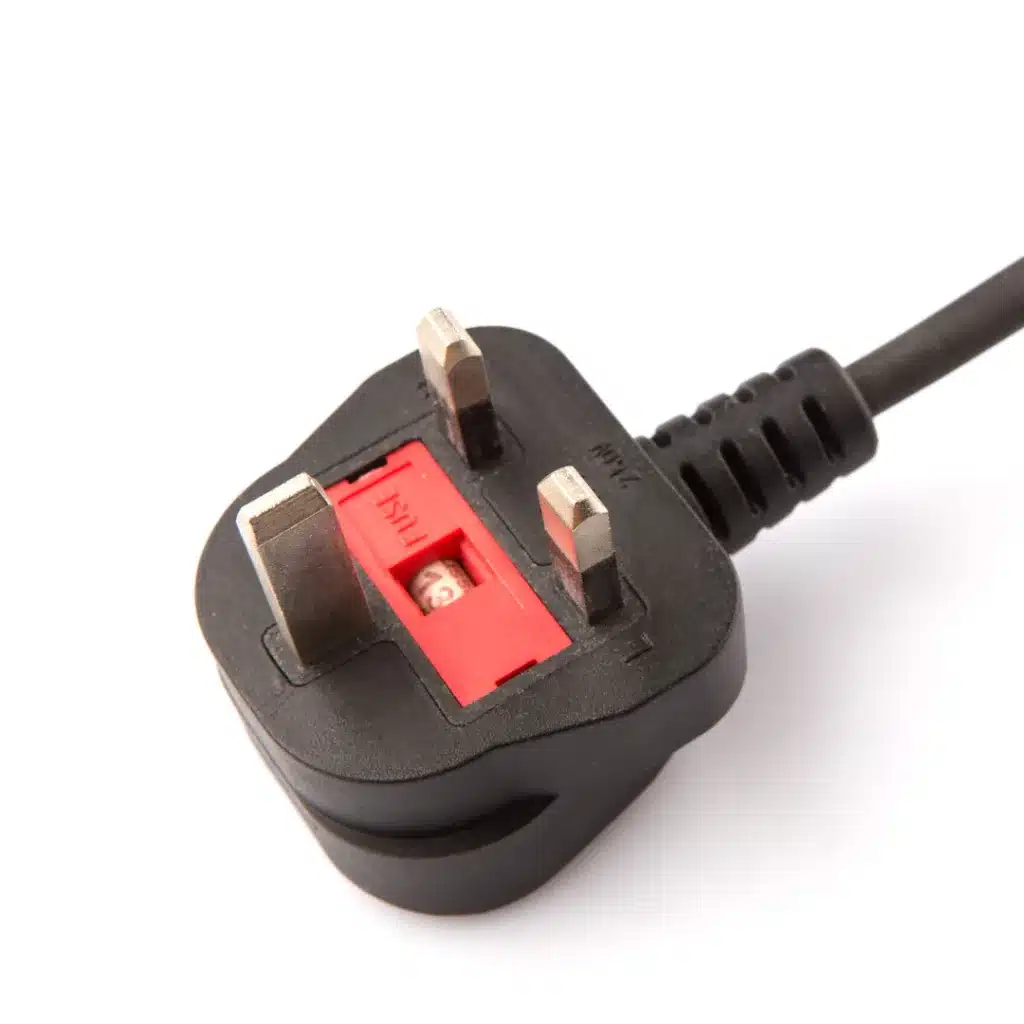
Which is built around fixed wiring rather than a device you can unplug and move at will. Neither rule was designed with plug-in solar in mind, since the technology barely existed in the UK market until very recently. Put together, though, they mean a manufacturer cannot currently get a plug-in solar kit certified for sale, and a household cannot legally connect one through an ordinary socket.
What’s Changing, and When
The push to fix this started properly on 24 March 2026, when Energy Secretary Ed Miliband announced that the government wanted plug-in solar kits in UK shops “within months” as part of a wider energy security package.
Retailers including Lidl and Amazon, and manufacturer EcoFlow, were named as ready to bring products to market once the rules allow.
That announcement was the promise, not the law itself. The actual legal groundwork is happening now. On 16 June 2026, the Department for Energy Security and Net Zero opened a formal consultation on amending the 1994 plug regulations and introducing an interim product specification, essentially a temporary rulebook covering wiring, fire protection and labelling that manufacturers must meet before kits can be sold. That consultation closes on 30 June 2026, with a summary of responses and next steps expected by 22 July 2026.
Alongside this, the government still needs to update the G98 distribution code, the process that governs how small generators connect to the local electricity network, so that households can notify their network operator when a plug-in kit is installed. Until both pieces are finalised, plug-in solar remains in a holding pattern. If you are wondering whether plug-in solar is legal in the UK today, the answer is still no, but the groundwork for a “yes” is well underway and is expected to land within the next few months.
Why Would Someone Want Plug-In Solar?
Once it does become legal, plug-in solar will fill a gap that traditional rooftop systems cannot reach. It is aimed squarely at people who currently have no realistic path to solar power.
That mainly means people who live in flats, with no roof of their own to install panels on, or no garden to work with. Renters fall into this category too, since landlords are unlikely to agree to permanent roof-mounted panels on a property they own. Leaseholders in blocks with shared roof space and homeowners with heavily shaded, north-facing or structurally unsuitable roofs are also likely candidates.
For all of these households, plug-in solar offers a genuinely simple entry point into generating their own electricity, without needing to own a roof or commit to a high upfront cost. Meaning households that never had access to cost-cutting equipment like solar panels are now able to cut their energy bills, even if it is by a small amount.
Where Could You Put Plug-In Solar Panels?
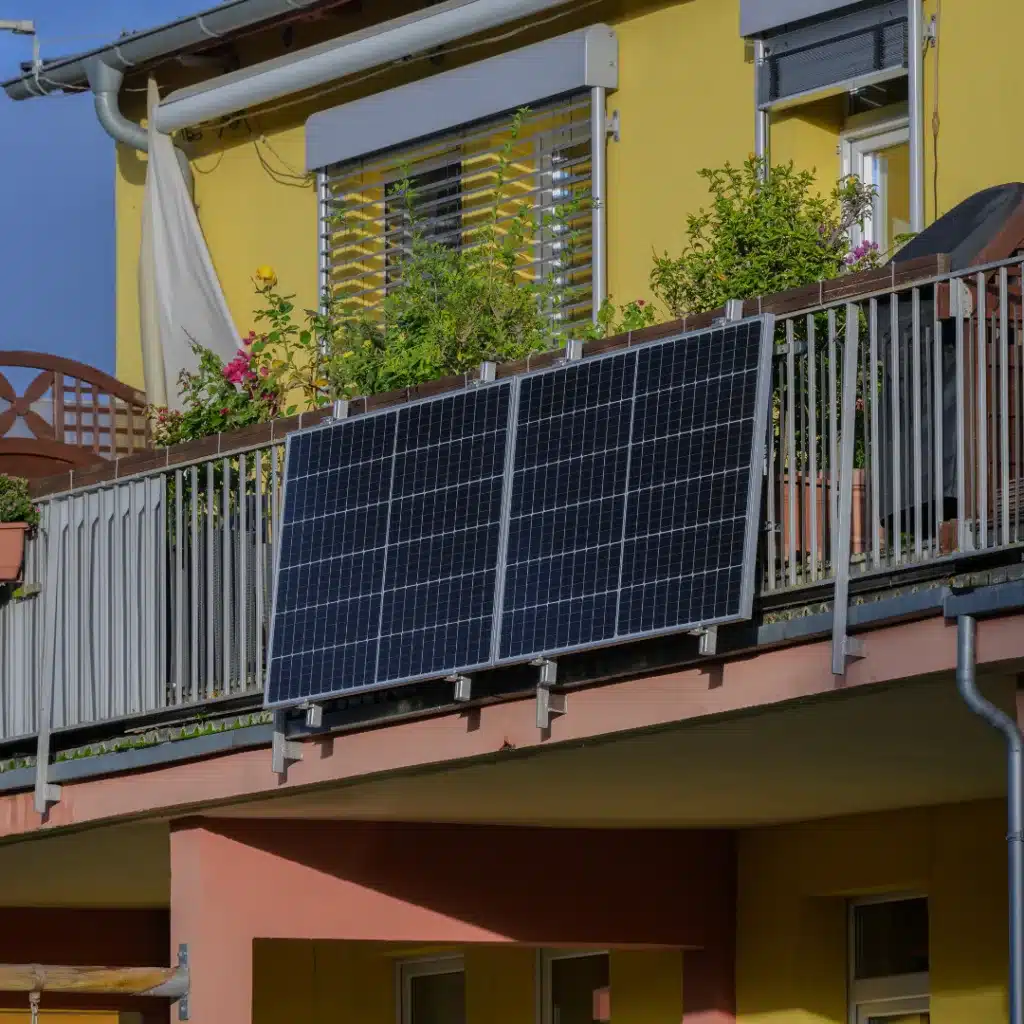
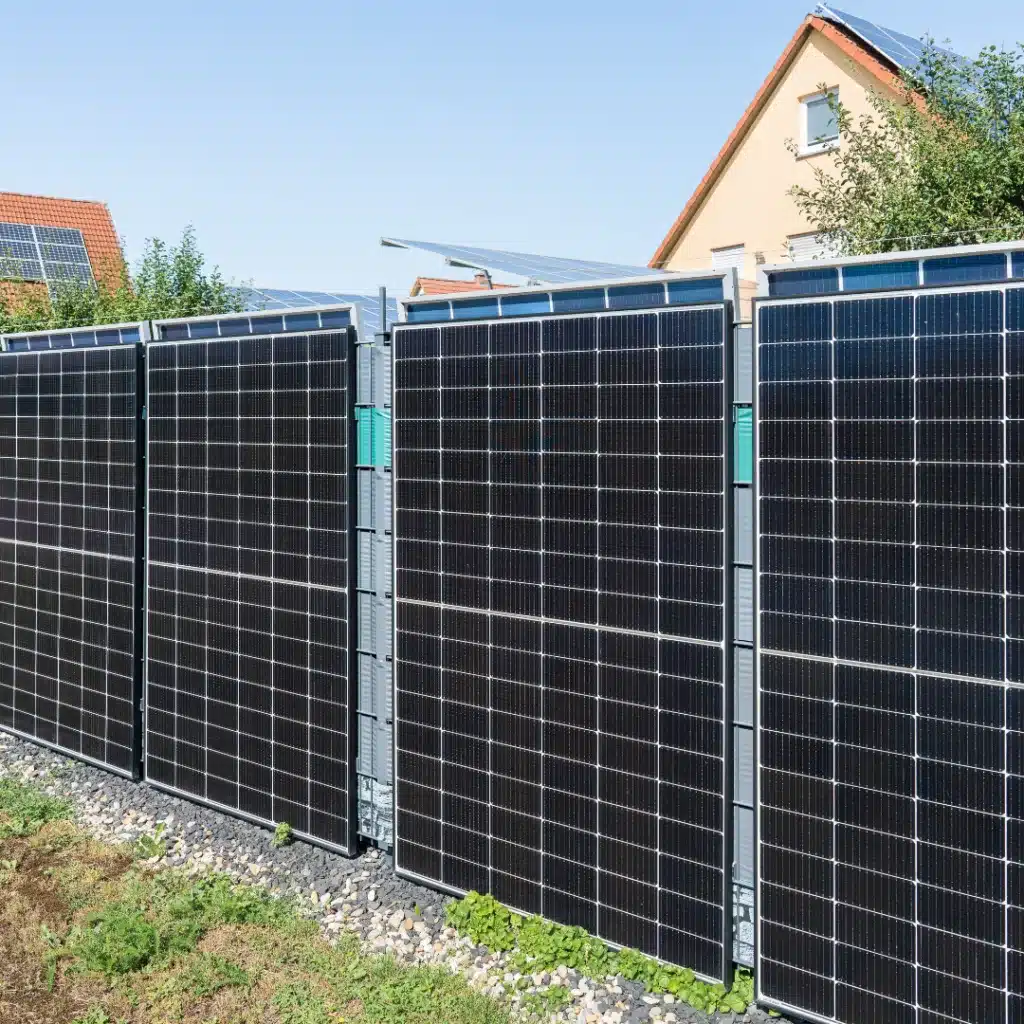
Once plug-in solar is legal in the UK, the panels themselves are designed to go pretty much anywhere that gets a reasonable amount of direct sunlight. The most common spot is a balcony railing, since that is where the technology first took off in Europe. A garden fence, wall or free-standing ground frame works just as well if you have outdoor space, and some smaller panels can even be mounted in a window if there is enough room and the angle catches the sun for a good part of the day.
The general rule is simple: wherever sunlight hits your home for several hours a day, there is potential for a plug-in panel to make a difference to your bills.
How Much Could Plug-In Solar Save You?
Savings depend heavily on the size of the kit and how much of that electricity you actually use as it is generated. As a rough guide, a smaller 300W system could save a household somewhere in the region of £65 to £80 a year, while a larger 800W setup, the maximum size proposed under the new rules, could save closer to £180 to £216 a year.
That might not sound dramatic next to the savings from a full rooftop array, but it is worth remembering the upfront cost is a fraction of a traditional system, and these savings come from devices you can buy outright with no ongoing finance involved. For background appliances that run all day every day, like a fridge freezer, that steady drip of free electricity adds up.
Will You Need an Electrician to Install It?
One of the main selling points of plug-in solar is that it has been designed to avoid the cost and hassle of a traditional solar installation. There is no scaffolding, no roof penetration, and no rewiring of your consumer unit. Once the rules allow it, the intention is that you will be able to set up a compliant kit yourself, simply mounting the panel, connecting the microinverter, and plugging it into a normal socket.
Until the regulations are finalised, though, this DIY route is not yet permitted. Any plug-in solar product you might come across for sale today either falls outside UK compliance or would need to be connected via a dedicated circuit by a qualified electrician to stand any chance of meeting current wiring rules. It is worth holding off on buying anything until the rules are confirmed, both for safety and to avoid wasting money on a kit that does not meet the eventual UK product specification.
How Long Do Plug-In Solar Panels Last?
Solar panel technology is well proven at this point, regardless of how it is connected to your home. Most modern panels, including the kind used in plug-in kits, are built to last somewhere between 20 and 25 years, with only a gradual dip in efficiency over that time rather than a sudden drop-off.
Where Will You Be Able to Buy Plug-In Solar in the UK?
Once the rules are in place, the government has already named some of the retailers expected to stock plug-in solar kits, including Lidl and Amazon, working alongside manufacturer EcoFlow. More retailers and brands are likely to follow once the interim product specification is confirmed and manufacturers know exactly what standard their kits need to meet. For now, the safest move is to wait for that confirmation rather than buying a kit designed for a different country’s electrical system and hoping it will be compliant here.
What Happens to Electricity You Don’t Use?
Plug-in solar systems are built to power your home in real time, prioritising whatever you are using at that moment, from your fridge to your broadband router. If your panel generates more electricity than your household needs at that exact moment, the surplus typically flows back out to the grid rather than going to waste.
Whether you would be paid for that surplus is a separate question. Larger rooftop solar systems can usually register for the Smart Export Guarantee (SEG), a scheme that pays households for electricity they export to the National Grid. Plug-in kits are unlikely to qualify for SEG payments in the same way, since SEG generally requires MCS certification, which plug-in products are not expected to carry. In practice, the real value of plug-in solar comes from using the power yourself rather than selling it back.

Is Plug-In Solar Worth It?
For the right household, yes. If you live in a flat, rent your home, or have no realistic way to fit a full rooftop system, plug-in solar will be a genuinely useful way to cut your electricity costs once it is legal to use. It will not replace what a full solar PV system can do for a homeowner with a suitable roof, but it can comfortably cover the cost of always-on background appliances and chip away at your overall energy bill.
If you do own your home and have a roof that gets decent sun, a full rooftop solar installation will almost always deliver bigger long-term savings, plus the option of battery storage and SEG export payments. Plug-in solar is best thought of as the practical option for households that full-scale solar simply is not available to, rather than a replacement for it where a proper installation is possible.
The Bottom Line
So, is plug-in solar legal in the UK? Not yet, but the path to “yes” is clearer than it has ever been. The government’s consultation closes on 30 June 2026, and ministers have been clear they want kits on shelves within months of the original announcement. For households in flats, rented homes or properties with no usable roof, this could be one of the simplest ways yet to start generating your own electricity.
In the meantime, if you do have a roof that could take a full solar PV system, there is no need to wait for new regulations to start saving on your energy bills. Check whether you qualify for our grants or funding to cover some or all of the cost of a rooftop installation, often with far bigger long-term savings than a plug-in kit could ever offer.