
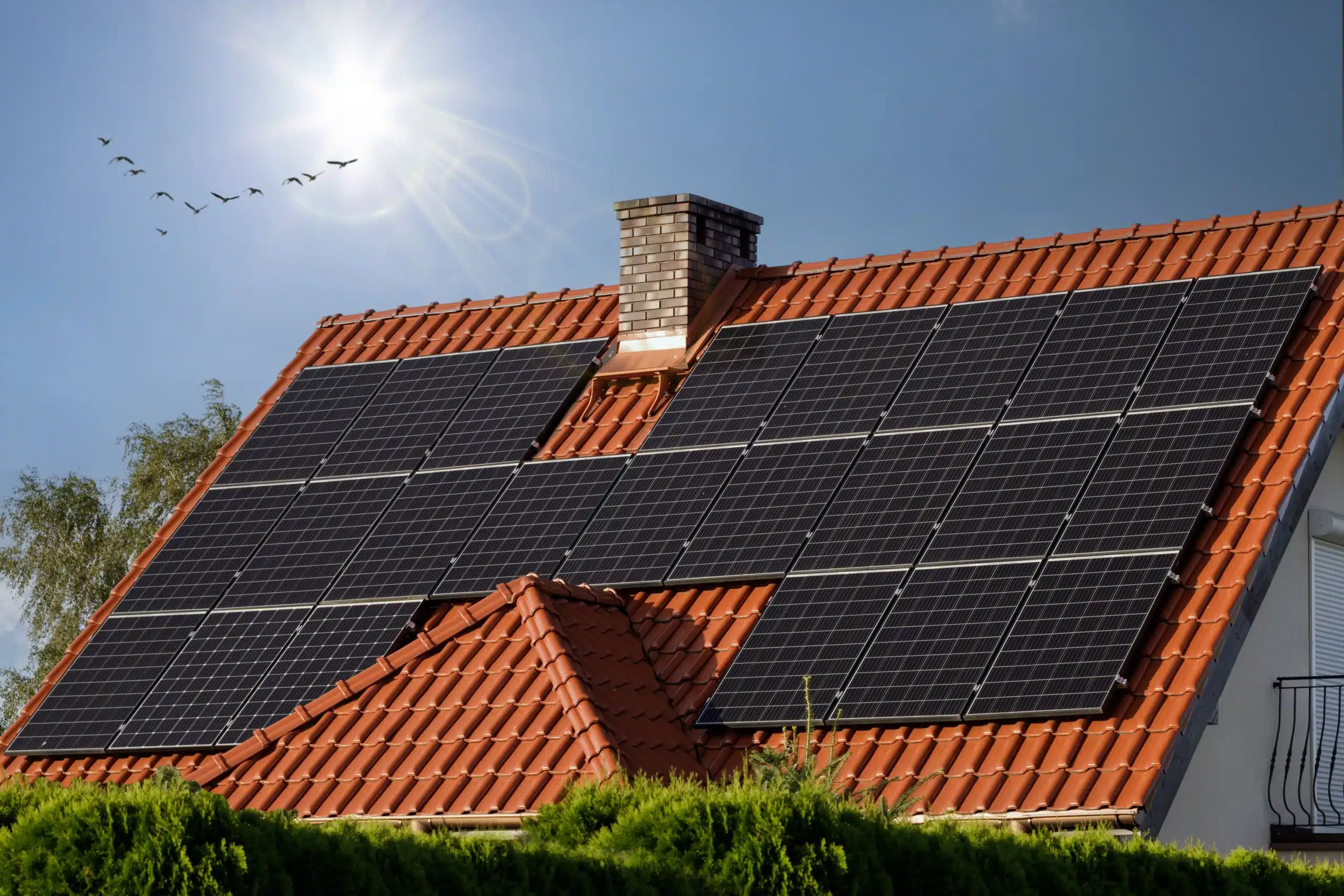


Britain has just smashed a brand-new solar generation record, and it’s already having a real impact on the cost of electricity across the country. On April 23rd 2026, solar panels across the UK hit a peak output of 15,158 megawatts (MW) at midday, supplying around 42% of all electricity in the country at that moment.
To put that into plain terms: almost half of Britain’s power came from the sun for a portion of that day.
That’s a pretty remarkable thing to wake up to. And for homeowners thinking about solar panels, it’s a very strong signal that the rest of the country is ready for renewable energy.
What Happened on April 23rd?
Britain’s Biggest Solar Day on Record
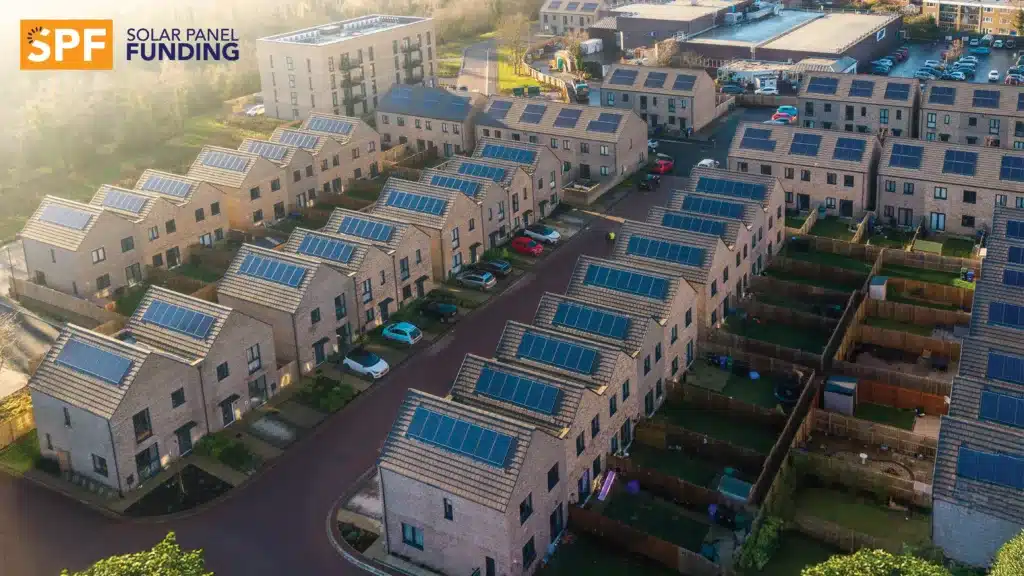
According to data from the National Energy System Operator (NESO), British solar generation exceeded 15 GW for the very first time on April 23rd 2026. At 11:30 am, output reached 15,147 MW, before climbing further to peak at 15,158 MW at midday. That final figure represented 42% of the total 36.4 GW of electricity being generated at that moment.
On a typical day, the national grid demand averages somewhere between 29 and 35 GW. So on April 23rd, solar energy was covering well over half of the nation’s usual electricity needs. That’s not just a statistic, it’s a turning point.
This record actually follows shortly after another solar generation record set earlier in April 2026, when Great Britain’s grid also ran at a record-breaking 98.8% zero carbon between 3:30 pm and 4:00 pm on April 22nd. Gas-fired power plants, which normally play a much bigger role in keeping the lights on, fell to a historic low of just 1.2% of the energy mix. That’s a dramatic shift, and it happened within a single week.
Why Does This Matter for the Cost of Electricity?
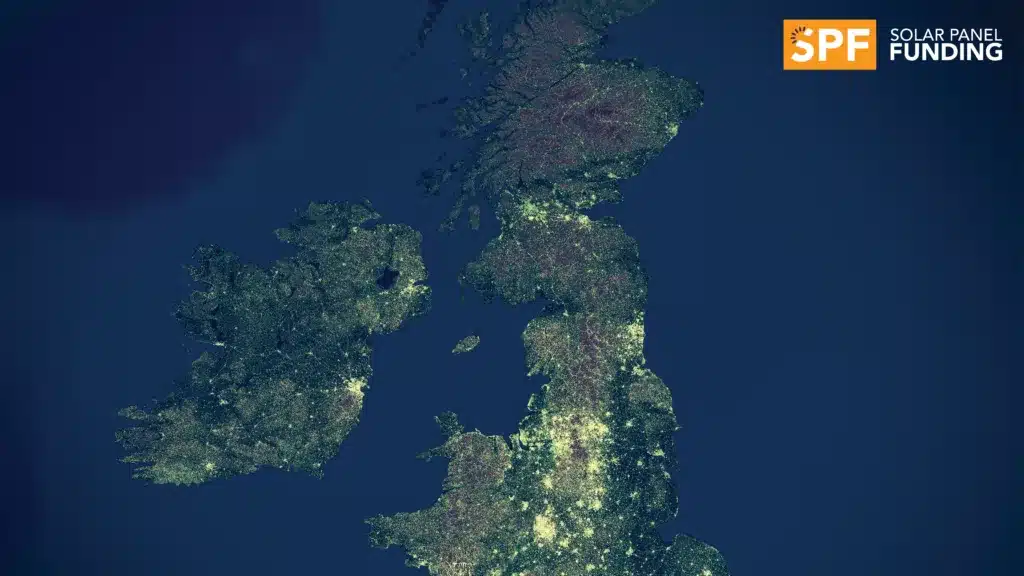
Here’s the really important bit. When large amounts of solar power flood the national grid, the cost of generating that electricity is effectively zero. That pushes the wholesale price of electricity down, and over time, that feeds through to consumers.
The rising contribution of solar to the national grid is great news for everyone. The more solar power flowing through the grid, the less electricity needs to be generated from expensive gas, and that helps bring the solar energy cost for households down. The more solar on the grid, the less we need expensive gas-fired generation, which is one of the biggest drivers of high energy bills.
Periods of surplus energy are also becoming increasingly common in the UK, something NESO flagged in its recent Summer Outlook report. These surpluses are largely being driven by solar irradiance (essentially, how much sunlight is reaching the earth at any given time), which is growing year on year as more panels get installed across the country.
A Record-Breaking Year for UK Sunshine
It’s worth knowing that all of this is happening against the backdrop of the sunniest year in UK history. Last year reached a historic high of 1,648.5 hours of sunshine, beating the previous record set back in 2003 by over 61 hours. More sunshine means more solar generation, and that’s a trend that looks set to continue.
What makes April’s records even more remarkable is that they were achieved before plug-in solar panels (also known as balcony or portable solar) have become widely adopted in the UK. These smaller, easy-to-install panels can be connected directly into a home’s power supply without full installation, and they’re expected to become much more common over the coming years. In other words, the best is very much still to come.
Solar Goes Global: Wind and Solar Beat Gas for the First Time Ever
Britain isn’t the only place making history. On a global level, wind and solar supplied 22% of global electricity in April 2026, compared to just 20% from gas. That’s the first time renewables have beaten gas in global electricity generation. Together, renewables produced 531 terawatt hours worldwide, which was 54 terawatt hours more than gas.
To put that growth into context: back in April 2021, wind and solar together generated only around 245 terawatt hours globally. By April 2026, that had more than doubled.
The UK played a big part in this story too. UK renewable generation grew by 35% year on year in April, which was one of the highest growth rates of any major economy.
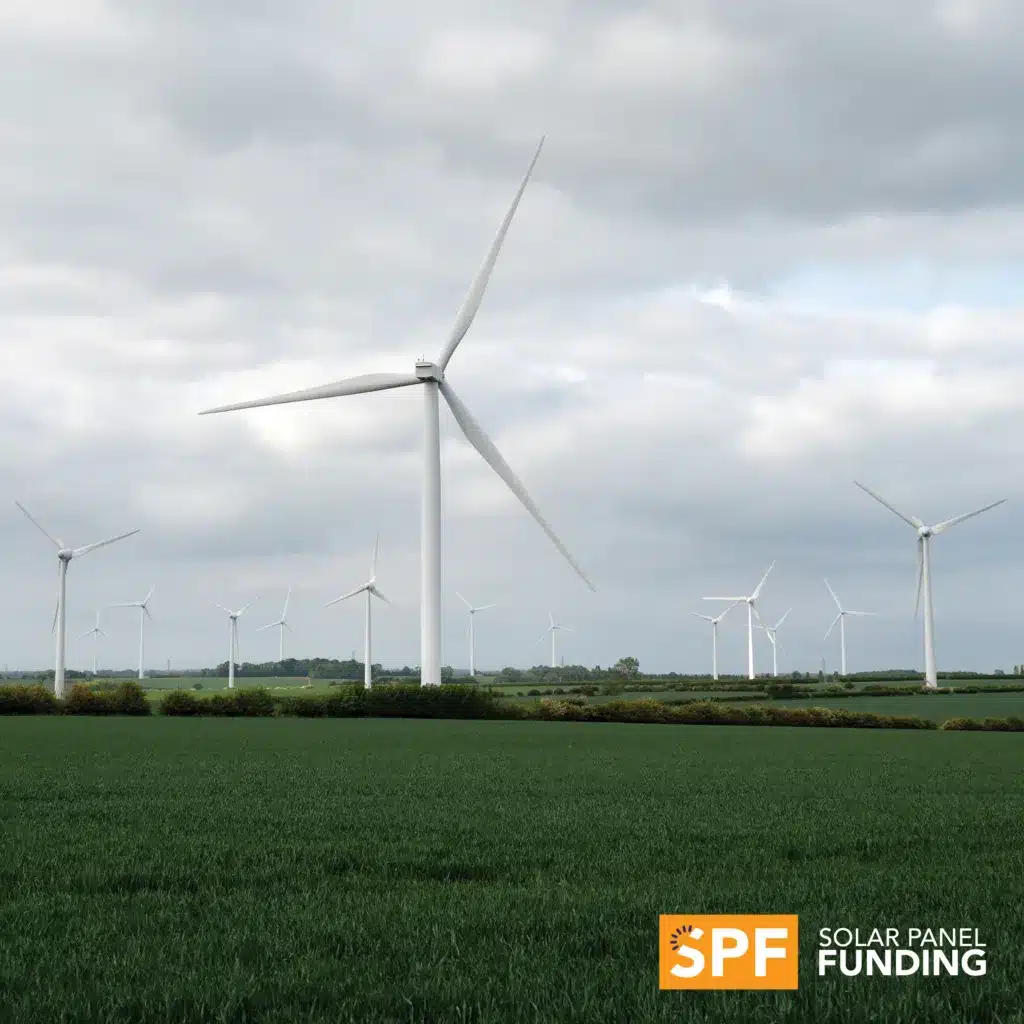
Analysts at Ember, the energy think tank behind this data, noted that wind and solar capacity grew quickly enough in April to satisfy most of the increase in worldwide electricity demand, meaning the world didn’t need to burn more gas to keep up. That’s a huge deal, and it reinforces just how fast the shift to clean energy is happening.
Solar Sales Are Booming in the UK
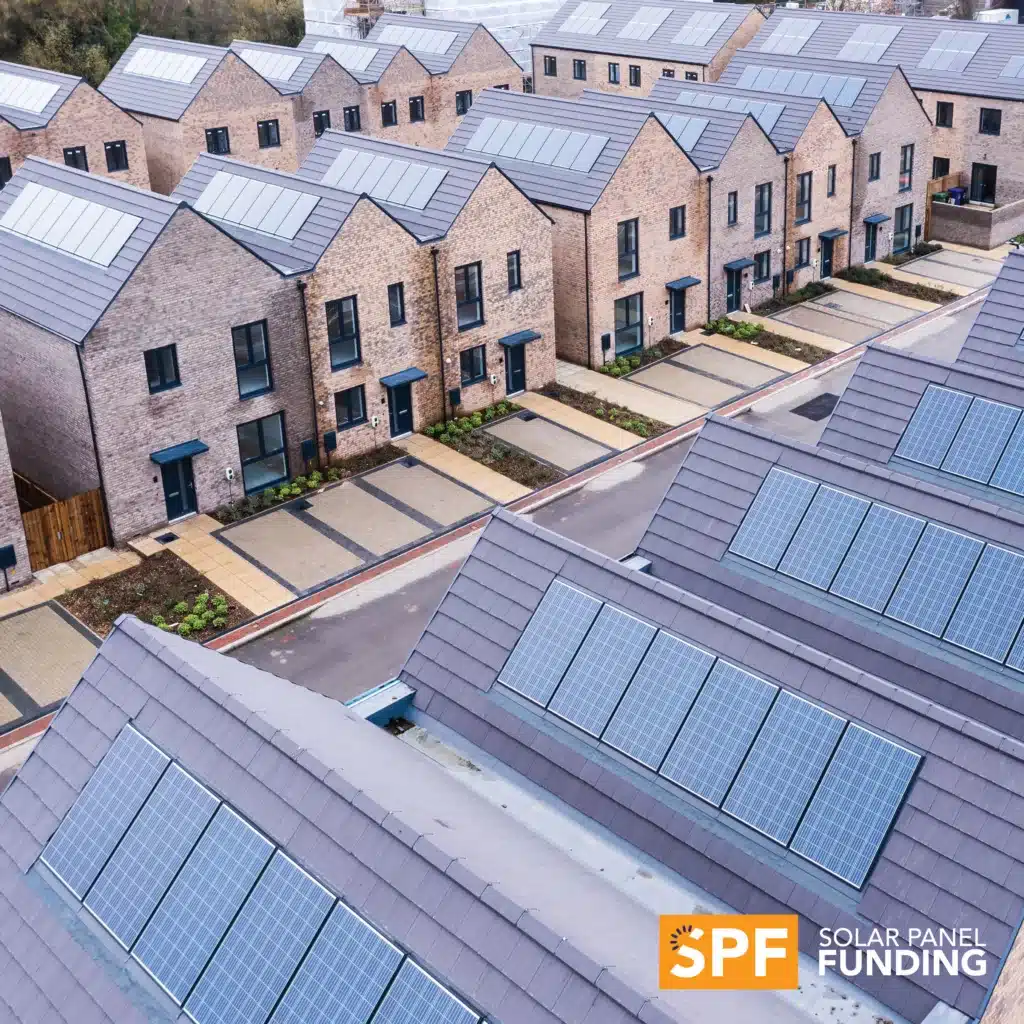
It’s not just the grid that’s changing. Homeowners across the UK are switching to solar in record numbers. The UK surpassed two million solar installations in March 2026, with March alone seeing 27,607 new installations completed, the highest monthly figure since 2012.
According to government figures, total solar capacity in the UK grew by 11.7% in the 12 months to March 2026, reaching 22.1 GW across more than two million installations. Two-thirds of those installations are on domestic rooftops, meaning ordinary homeowners are leading the charge.
This rise in solar sales is happening for a very clear reason. As energy bills stay stubbornly high and the war on household budgets continues, more and more families are turning to solar to generate their own electricity and cut what they pay to the grid. When you look at the numbers, it’s easy to see why. On average, people who switch to solar see savings and earnings of around 15 to 20% on their energy costs.
The solar energy cost for the average household is also becoming far more manageable thanks to a range of funding options, grants, and finance schemes that can spread the solar energy cost or even cover it entirely for those who qualify.
Why Solar Storage (Batteries) Are Becoming Essential
Store Your Energy, Use It on Your Terms
One of the most exciting developments running alongside all of this is the rise of solar battery storage. As Britain generates more and more solar power during daylight hours, the challenge is making sure that energy doesn’t go to waste once the sun goes down.
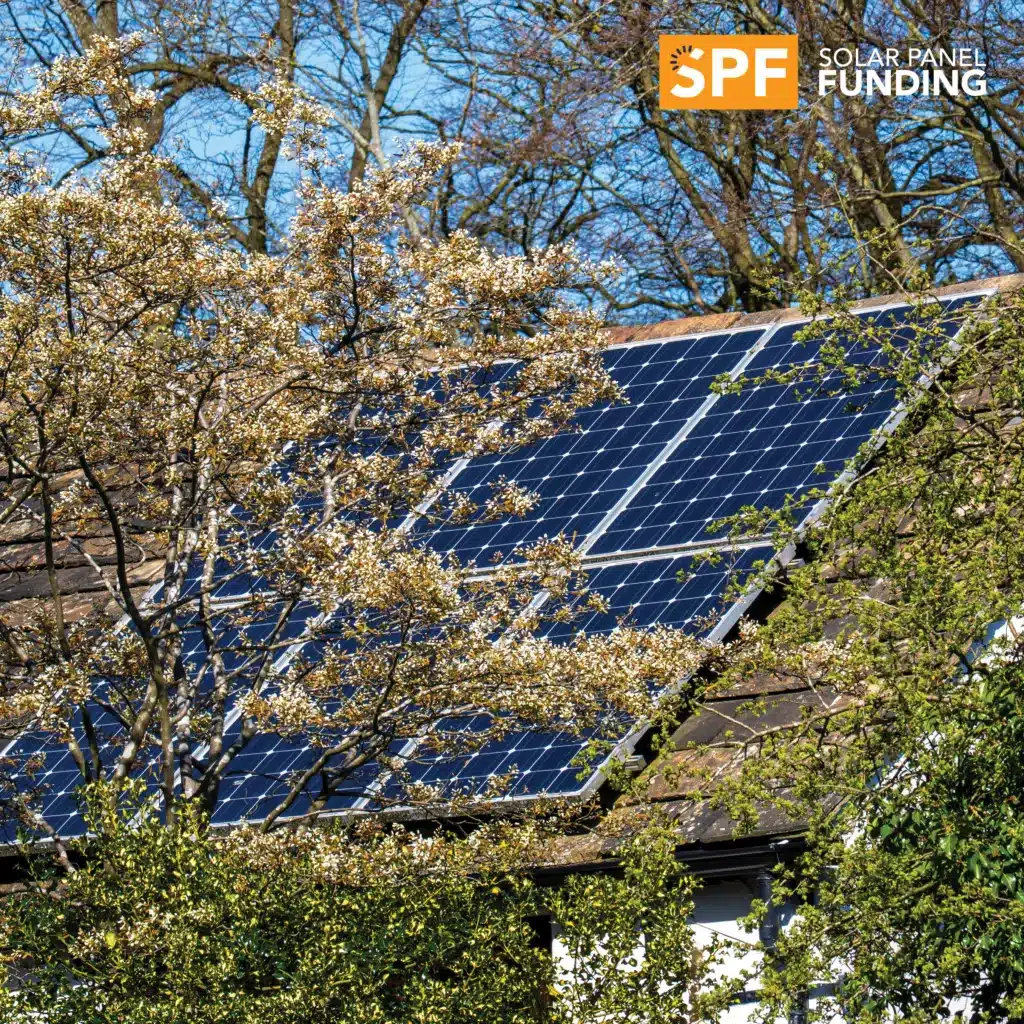
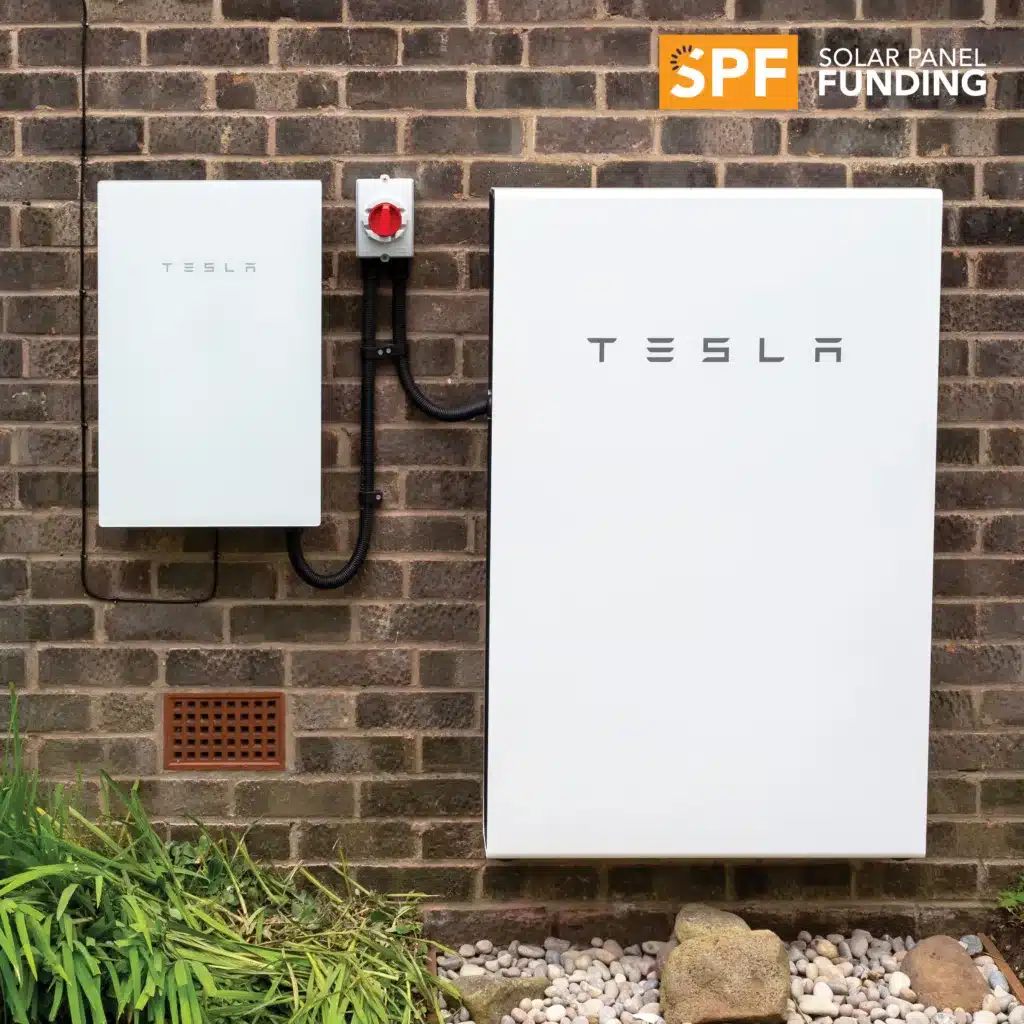
This is where a battery comes in. A solar battery stores the electricity your panels generate during the day, so when evening arrives, and your panels stop producing, your home can continue running on the energy you already captured. You’re not giving away your surplus power; you’re saving it for later.
Think about it this way: on a bright April day like April 23rd, a home with solar panels and a battery could have been running almost entirely off sunshine from morning until late into the evening, with little or no reliance on the grid at all. That translates directly into a lower electricity bill.
Reducing Reliance on the Grid
As a country, we are gradually reducing our dependence on the national grid, and homeowners with batteries are at the sharp end of that shift. The more energy you can generate and store yourself, the less you need to buy from an energy supplier, and the less exposure you have to the rising and falling price of grid electricity.
Battery storage costs have come down significantly in recent years. Options are available starting from around £1,500, with more comprehensive systems going up from there. Many homeowners choose to add battery storage at the same time as their solar panel installation, which can also be the most cost-effective way to do it.
Why Solar Power Is Such a Compelling Choice
The sun is an infinite source of energy. Scientists estimate that the amount of solar energy hitting the Earth in a single day could power the entire planet for a year. Every time a ray of sunlight falls on a solar panel, it’s being converted into free electricity for the home it’s attached to. There are no fuel costs, no supply chains, no geopolitical risks, and no monthly bills from the sun.
As energy companies continue to adjust their prices in response to global gas markets and inflation, more households are waking up to the fact that generating your own electricity is one of the most reliable ways to protect yourself from those fluctuations.
The solar energy cost picture has also shifted dramatically over the past decade. Solar panel prices have dropped by around 90% globally over the last 15 years, making solar power far more accessible than ever. Add in the funding options that are now available in the UK, and the barrier to getting started is lower than many people realise.
Could You Qualify for Solar Panel Grants or Funding?
This is where things get really interesting for many households. There are genuine funding options available in the UK right now, and a lot of people don’t know they exist.
What Funding Options Are There?
Some qualifying homeowners can access fully funded solar panel installations at no cost whatsoever. Others may be eligible for partial funding, low-cost finance, or discounted installation through trusted local installers.
The key thing is to find out what’s available in your specific area, because funding options do vary. The quickest and simplest way to do that is to run a check using our free eligibility tool.
Don’t Get Left Behind
More than two million UK homes already have solar panels installed. The government has set a target of up to 45 GW of solar capacity by 2030, meaning the rollout is going to accelerate significantly over the next few years. Funding and incentives are available now, but they won’t last forever, and the sooner you make the switch, the sooner you start saving.
As energy prices continue to fluctuate and the grid gets increasingly solar-powered, homes with their own panels are in a much stronger position. According to the Energy Saving Trust, solar panels can provide a significant portion of a typical home’s electricity needs throughout the year, with the highest generation in spring and summer months.
The Smart Export Guarantee (SEG) is a government-backed scheme that pays you for any surplus electricity your solar panels generate and export back to the national grid. So not only do you save money on your bill, but you can also earn money from your panels.
The UK Solar Surge
Britain’s record-breaking April wasn’t a fluke. It was the result of years of investment, growing installed capacity, and improving technology. The UK has over 22 GW of solar capacity installed, and that number is growing every month. The sunniest year on record, falling solar equipment costs, and government support for renewable energy are all pointing in the same direction.
For anyone sitting on the fence about solar panels, the direction of travel is clear. The country is moving towards solar, the grid is being powered more and more by the sun, and the financial case for putting panels on your roof has never been stronger. The solar energy cost of getting started continues to fall, while the cost of doing nothing, sitting on rising energy bills year after year, keeps climbing.
Ready to Find Out What You Could Get?
You could qualify for solar panels, funded installation, or discounted solar through one of the available schemes. The only way to know for sure is to check your eligibility. It’s free, it takes about 60 seconds, and it could be the start of a significant saving on your energy bills.
Pop your details into the funding checker and one of our team members will give you a call to talk you through your options, with no obligation and no pressure. Thousands of UK homeowners have already made the switch. With Britain breaking solar records and energy bills showing no signs of falling on their own, now is a great time to find out what you could access.