
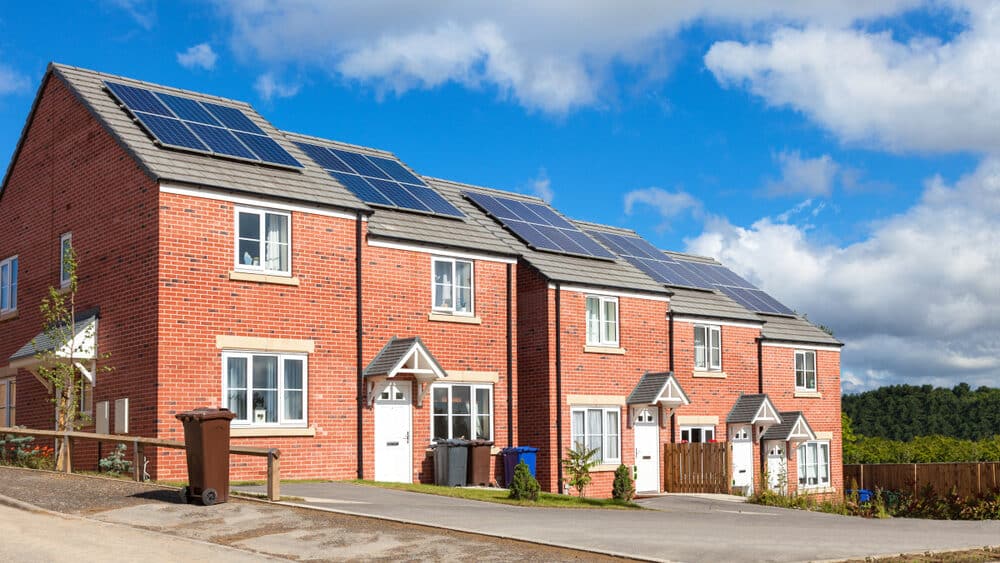
How To Reduce Your Energy Bills Drastically.
Why solar is a smart choice?
Living in the UK, you might question the efficiency of solar energy. However, let us assure you that even under the cloudy British skies, your home will still be suitable for solar panels as they will perform remarkably well. Furthermore, through the Smart Export Guarantee (SEG), you can get paid for the surplus energy your panels produce and sell back to the grid. This means you’re not only saving on your monthly energy bills but also making a profit!
In addition, by going solar, you’re actively contributing to combat climate change, reducing carbon emissions, and fostering a sustainable future. Unquestionably, Solar PV is a long-term investment that rewards you with substantial savings, income through SEG, and a greener planet. So why wait? Harness the sun, save money, and protect the environment—make the bright choice for your home, wallet, and the planet.
Use our simple funding checker to see if you are eligible for help with the payments.
Expenses of installing solar panels
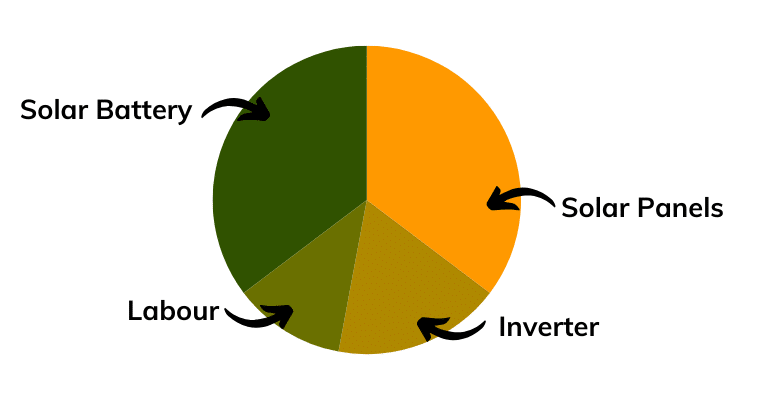
Find out about the expense of installing a solar panel system
Savings & earnings from solar panels
Get more information about how much money you can save and earn from installing solar panels
Achieve energy independence
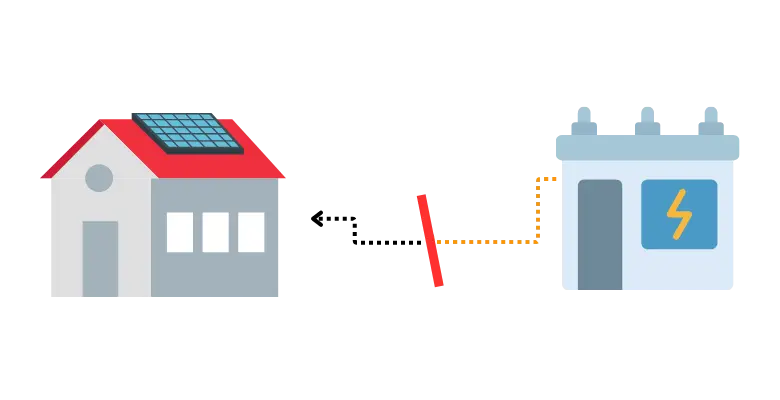
Discover how you can achieve energy independence
Reduce your carbon footprint
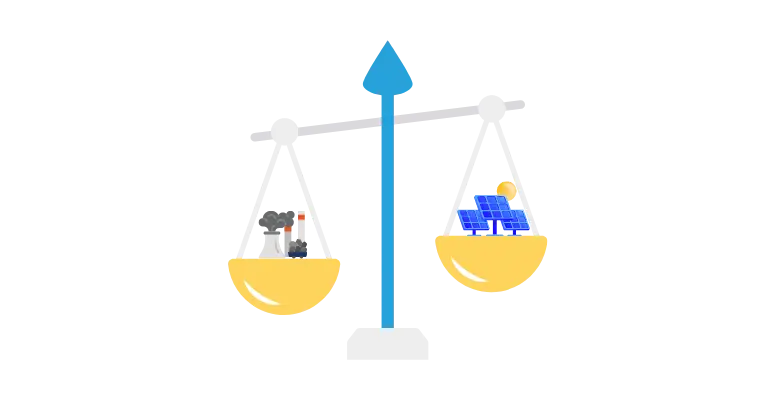
Read more information about how you can do your part for climate change
Being the #1 rated solar installer on Trustpilot speaks for itself!
Gallery
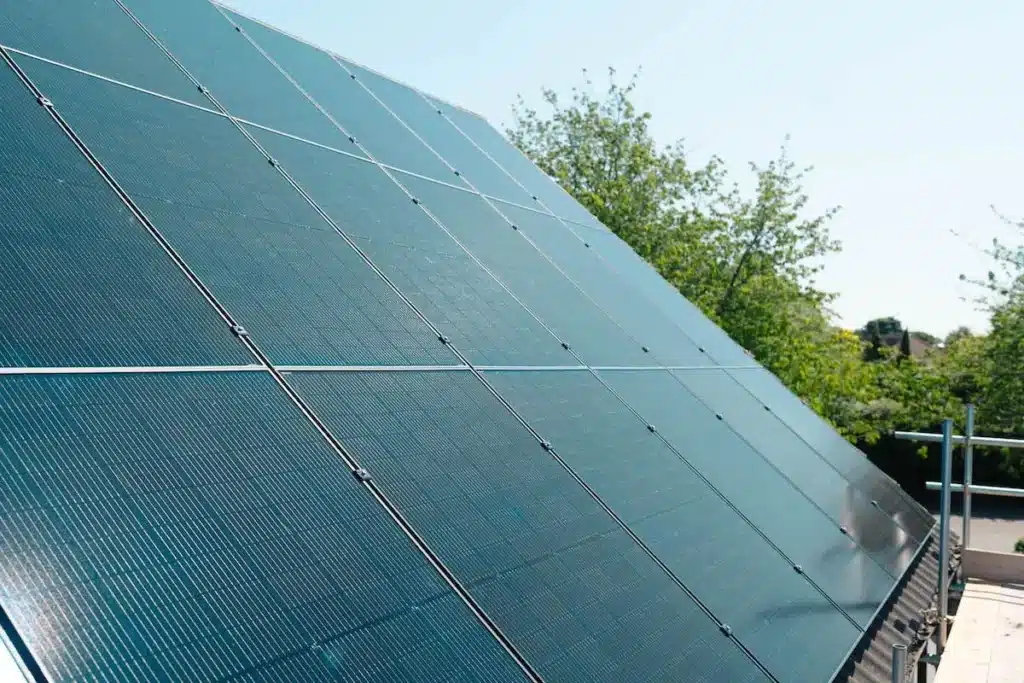
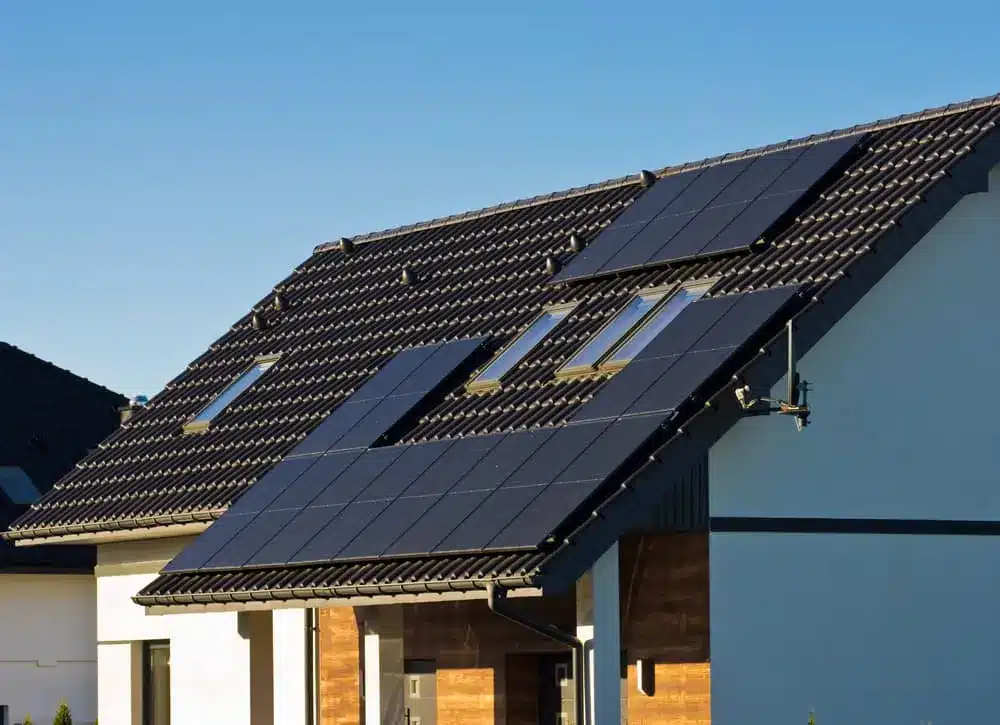
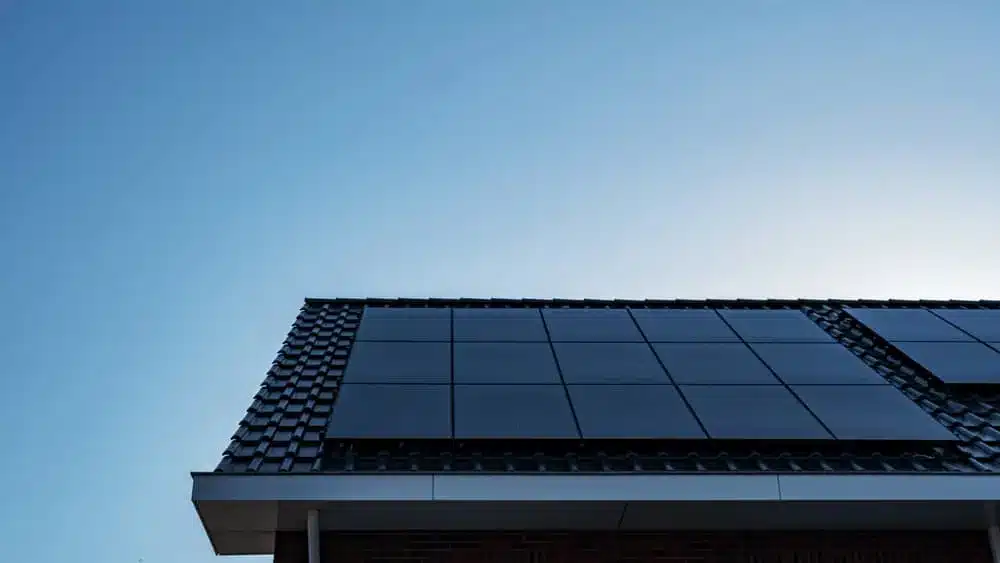
What’s the expense of solar panels uk?
The amount of money you will pay for a solar panel system is influenced by how large you’d like your PV system, whether or not you’d like a solar battery storage system, the make and model of your Solar Panels, Inverter and battery Storage, and how easy it is to access your roof, so it’s difficult to give an exact price as you may be able to spend more money to save more money in the long run and understand what solar panels worth can be over time.
In General, you could expect to pay around
- £3,000 – £5,000 for a 3kW system without solar battery storage
- £4,000 – £7,000 for a 4kW system without solar battery storage
- £5,000 – £8,000 for a 5kW system without solar battery storage
Most houses typically opt to add solar battery storage to their property to enable them to store the energy they generate during the day and use it at night, so you rarely have to use energy from the national grid.
Additionally, with solar PV, you can choose the make and model of your battery; which one you pick will depend on the location it will be installed, the size of your property, how much energy you use, and your budget. Typically, you can expect to pay between £1,500 and £8,000 for a solar battery.
1
Complete the funding checker
Use our funding checker tool to receive complimentary guidance on whether you have qualified for any schemes, incentives or funding available to you.
2
Book your free, no-obligation survey
Depending on your area and the options available, a qualified assessor will arrange either a site visit or a remote assessment. As a result, you will receive an in-depth report detailing the spend, savings, and earnings that your panels will produce.
3
Installation of your solar panels
Once you and the installation team discuss the best dates for installing the panels, your bespoke solar panel array and battery will be installed by a team of skilled electricians, who will show you how your solar system works.
4
Industry-leading guarantees
25 years: Manufacturer warranty backs your Solar PV equipment, so you can rest easy knowing you’ll continue to get the performance you expect throughout the lifetime of your system.
Why you should get solar today rather than wait
Since rooftop solar panels have been installed in households, the price per watt of panels globally has dropped drastically. As with all technology, it improves over time and becomes cheaper to mass-produce. However, with that being said, the average price of solar has plateaued in recent years, suggesting now may be a great time to consider installing solar.
Additionally, the UK in April 2022 introduced 0% VAT on all solar installations, meaning the government essentially provides a 20% discount. This won’t be around forever; the government announced this will be up until 2027. This was to get closer to the Net Zero goal, and if we get close to that, it may end even sooner than 2027.
So there’s no time like the present to invest in solar or look at incentives available to yourself that enable you to get them installed at no cost or at a fraction of the spend, while also helping to reduce your annual electricity bill.
For trusted, independent guidance on renewable energy and efficiency, homeowners can also refer to the Energy Saving Trust.
Choosing the right type of panels for your roof type
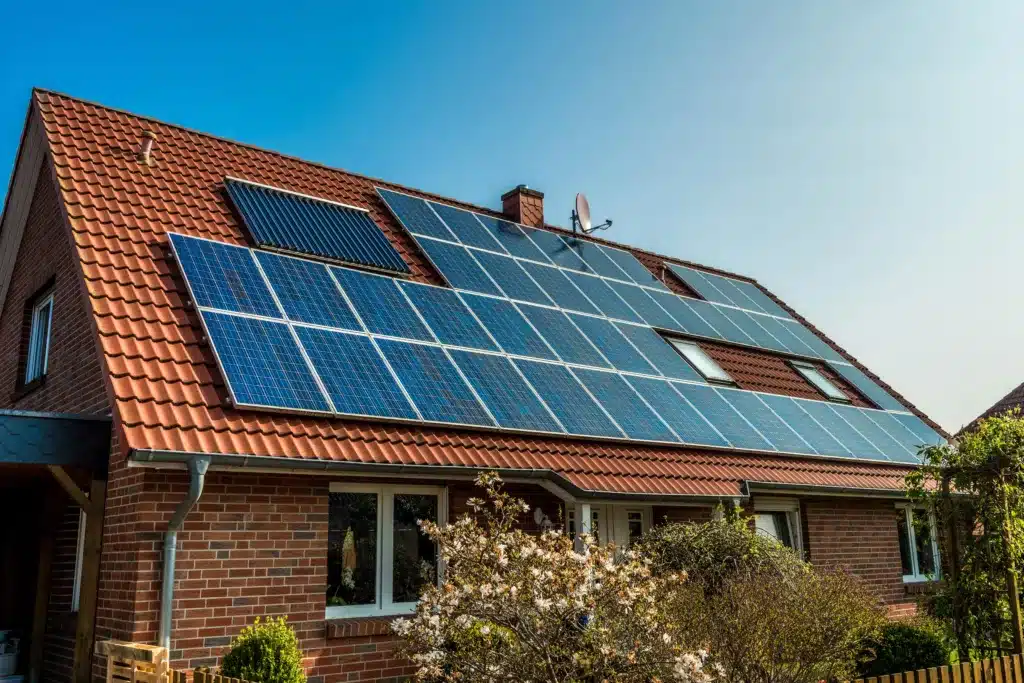
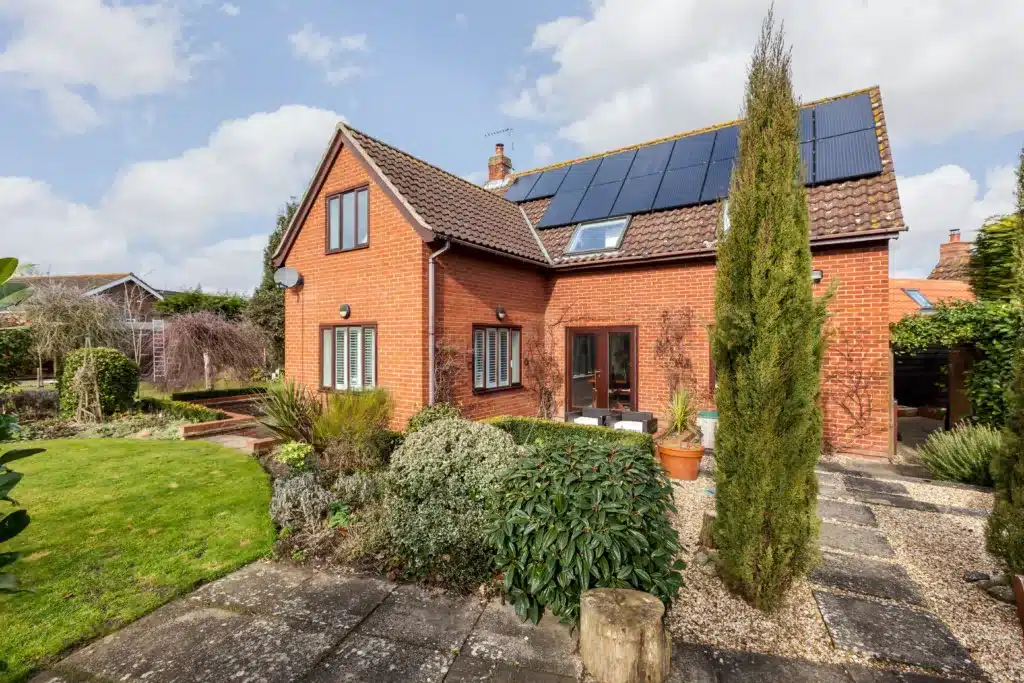
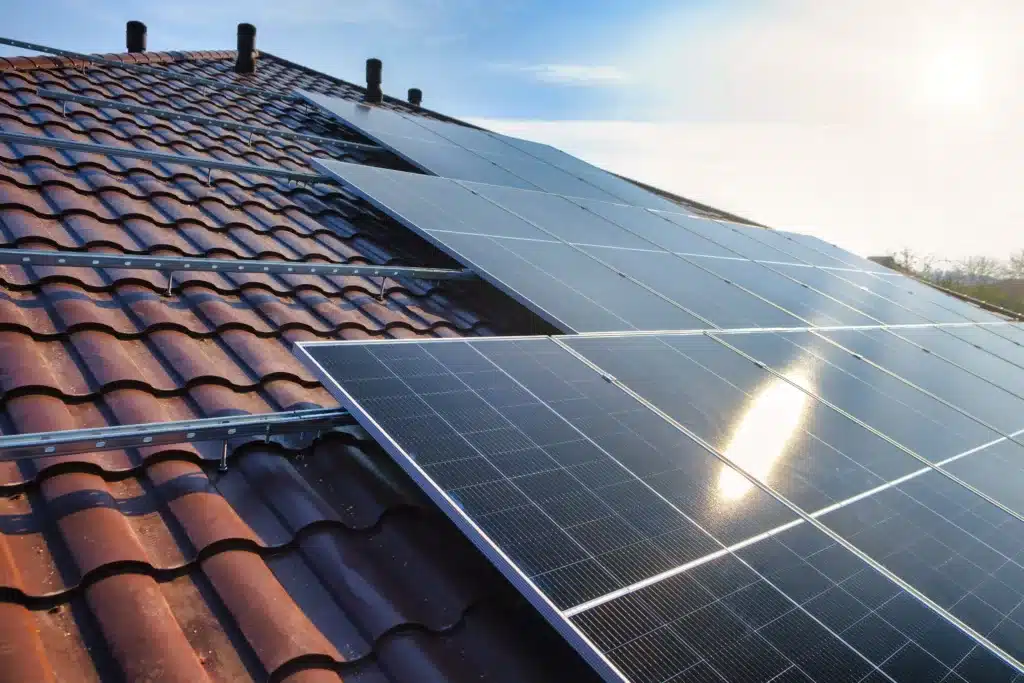
When considering solar panels for your home, it’s important to think about your roof type, as different surfaces can affect how easily panels can be fitted and how well they perform over time. The choice of mounting system also plays a role in installation, from flush fits to raised rails, and your spend can vary depending on roof pitch, orientation, and accessibility. In most cases, you don’t usually need planning permission to install solar panels, making it easier for homeowners to adopt renewable energy. One of the great advantages of modern solar technology is its longevity: high-quality systems are typically guaranteed for 25 years or more, giving homeowners long-term reassurance that their investment will continue to generate clean electricity and deliver electricity bill savings year after year.
Some frequently asked questions about solar panels
How are homeowners around the UK achieving energy independence?
In the United Kingdom, many homeowners are making the transition to clean, renewable energy by installing solar panels on their properties. This transition is not just good for the environment; it’s also allowing these homeowners to achieve a degree of energy efficient independence. Here’s how:
1. Generating their own electricity
Solar panels allow homeowners to generate their own electricity. This is particularly advantageous in the UK, where daylight hours can be long during the summer months. Therefore, the electricity generated can be used directly, reducing the amount needed from the grid. Surplus energy can also be stored in a home battery system or exported back to the grid, depending on the homeowner’s setup and energy needs.
2. Making use of government schemes
In the UK, homeowners who generate their own electricity can benefit from the Smart Export Guarantee (SEG). Presently, this scheme mandates energy suppliers with over 150,000 customers to pay for excess electricity exported back to the grid. This provides a financial incentive for homeowners to install solar panels, as they can earn money from the electricity they generate but do not use.
3. Investing in energy storage
Many homeowners are choosing to install battery storage systems alongside their solar panels. These systems can store excess solar energy for use when the sun isn’t shining, further increasing a household’s energy independence.
4. Contributing to a sustainable future
Lastly, by installing solar panels, homeowners are contributing to a more sustainable, low-carbon future.
How can you help reduce your carbon footprint by installing solar?
Reducing your carbon footprint is crucial in the fight against climate change and the promotion of a sustainable future. In fact, one excellent way to contribute to this effort is by installing solar panels, particularly if you have a south facing roof. Furthermore, solar panels offer several key benefits when it comes to reducing your carbon footprint.
Here are some important points to consider:
1. Renewable energy generation
Solar panels harness the energy from the sun and convert it into electricity. Using solar power instead of traditional fossil fuel-based electricity significantly reduces your reliance on carbon-intensive energy sources, and any excess power generated can be sent as energy back to the grid.
2. Lower carbon emissions
Solar energy is clean and emits virtually no greenhouse gases during electricity production. Consequently, by installing solar panels, you can reduce the carbon dioxide (CO2) emissions associated with your electricity consumption, helping to mitigate climate change.
3. Offsetting energy consumption
Solar panels generate electricity directly from sunlight, so you can offset a significant portion of your energy consumption from the grid. The more solar energy you produce, the less fossil fuel-based electricity you need to rely on, with surplus energy back to the grid, further reducing your carbon footprint.
4. Sustainable and long-lasting
Solar panels have a long lifespan, typically ranging from 25 to 30 years. Subsequently, this durability ensures that you can continue to generate clean energy for decades, reducing your reliance on carbon-intensive sources over an extended period.
How long do solar panels last?
Typically, solar panels can last between 25 and 35 years, depending on the manufacturer. You’ll find that most manufacturers offer a 25-year product warranty, and most reputable solar installers will offer a 10-year workmanship guarantee.
After 25-35 years, they will still work. However, you’ll start to notice a degradation or reduced energy production.
How efficient are solar panels?
The efficiency of your solar panels can vary based on weather conditions; however, you can expect to see around efficiencies of:
27% for Monocrystalline solar panels
22% for Poly-crystalline solar panels
22% for Thin-films solar panels
Funding, incentives & grants available to homeowners around the UK that may be available to you
There are several funding options available to UK homeowners. Specifically, Solar Panel Funding provides three options, which include:
Entirely fully funded solar panels; to explain, this means qualifying households (subject to qualifying criteria being met) can have solar panels installed at no cost.
This is different from solar panel schemes from the past, as with SPF, you will completely own the panels, and any income and savings you generate will be entirely yours to keep.
Another option is to use one of the Solar Panel Funding finance offers; we work with a panel of installers that have varying ways to spread the spend over a period of time that suits you and will be in line with your level of savings & earnings, helping you manage the overall system spend. These options are designed to make solar more accessible and affordable for households.
Finally, you can purchase solar panels outright, but with Solar Panel Funding’s help, we deal with the UK’s top installation companies and regularly assess them on their customer satisfaction, price and quality of work.
1* Including an annual energy inflation rate of 5.61% over 20 years,
as provided by ONS: https://www.ons.gov.uk/economy/inflationandpriceindices/timeseries/czcz/mm23
2* The number of panels used is based on different kWp (kilowatt peak), and are as follows: 6 panels at 2.43 kWp, 8 panels at 3.24 kWp, 10 panels at 4.05 kWp, 12 solar panels at 4.86 kWp, 14 solar panels at 5.67 kWp, 16 solar panels at 6.48 kWp.
3* These are example figures only, based on standardised MCS calculations. Savings are based on a property fitted with a south-facing solar array in central England on a roof with a 35-degree tilt and no shading, with electricity consumption of 4,800 kWh per year (with the customer at home all day), at a tariff rate of 30.0p/kWh. The solar array contains 12 x 405W panels (4.86 kWp) generating 4,544 kWh/year, fitted with a 5.2 kWh (4.2 kWh usable) battery.