


- What Is an Eco Friendly New Years Resolution?
- 1. Grow Some of Your Own Food
- 2. Buy Local, Seasonal, and Organic When You Can
- 3. Try a Plant-Based Diet and Eat Less Meat
- 4. Use Less Single-Use Plastic
- 5. Buy Less Fast Fashion and Shop Second-Hand First
- 6. Learn to Sew and Repair Your Wardrobe
- 7. Save Energy and Water at Home
- 8. Learn How to Ride a Bike (or Cycle More Often)
- 9. Drive Less and Use Shared Transport When You Can
- 10. Get to Know Nature
- 11. Spread the word
- In Conclusion
Key Takeaways
🌱 Eco-friendly New Year’s resolutions can reduce waste and save money
🥕 Plant-based meals can cut food-related emissions.
🛍️ Second-hand shopping can reduce fast fashion waste.
🧵 Simple repairs can keep clothes in use for longer.
💡 Better energy habits can lower bills in winter.
☀️ Solar panels can cut reliance on the grid.
🔋 Battery storage can increase solar savings.
🗣️ One good tip can help someone else start.
The start of a new year often feels like the right time to reset routines and set New Year’s resolutions. Many people use this moment to build healthier habits, save money, and feel more in control of daily life.
A lot of these goals link together. Daily choices influence your budget, your wellbeing, and your impact on the planet. This is where eco-friendly New Year’s resolutions come in.
What Is an Eco Friendly New Years Resolution?
An eco friendly New Years resolution is a goal that helps you live more sustainably through simple, realistic choices. These changes can reduce waste, protect nature, and lower the impact of everyday life on the environment.
Many sustainable habits also support your budget. A greener home often wastes less energy and water. A more conscious routine can also reduce unnecessary spending.
This guide shares eleven simple resolutions you can try this year. Each one helps you live greener, spend smarter, and support the natural world.
If you want a bigger change that can lower your electricity bills long-term, solar panels can make a real difference. You can check whether you qualify for funding in just a few steps.

1. Grow Some of Your Own Food
The food you buy affects the planet more than most people realise. Food production uses land, water, and energy. It also often travels a long way before it reaches your kitchen. This distance is called “food miles”.
Food miles usually increase emissions, especially when food travels by air or needs extra packaging and refrigeration.
Growing some of your own food helps you cut those miles. It also gives you more control over what you eat and when you buy it.
Home growing can support wildlife too. Flowers and food plants attract bees, butterflies, and other pollinators. These insects help plants grow, so they play a bigger role than people expect.
Gardening can also support your wellbeing. Many people find it calming, especially when life feels busy.
You do not need a big garden to start. A balcony works. A patio works. A sunny windowsill works too.
Crops that grow well in pots include:
- tomatoes
- salad leaves
- chillies
- strawberries
- potatoes
If you feel new to it, keep it simple. Start with one plant and one pot. You can build your confidence as you go.
If you want extra support, a community garden is a great place to learn by doing. A seasonal planting calendar can also help, because it shows what to plant and when.
Quick start: Buy one herb plant. Keep it on your kitchen windowsill. Use it in your meals.
2. Buy Local, Seasonal, and Organic When You Can
Growing your own food can help you cut food miles, but it is not always realistic. Space can be limited. Time can be tight. Sometimes it just feels like another job to manage.
But even without growing anything, you can still make a difference through the food you buy. Local, seasonal, and organic choices can all support a greener routine. Each option helps in a slightly different way, so you can mix and match based on what works for you.
Local food often travels a shorter distance before it reaches the shop, and shorter journeys usually create fewer emissions. Local shopping can also support farmers and businesses in your area.
Seasonal food can lower environmental impact too, as they usually need less storage and less energy to grow. Seasonal produce can also taste better, which makes it easier to stick with.
Organic food can support soil health and reduce chemical use on farmland. However, organic options often cost more, so this choice works best when it fits your budget.
You do not need to change everything at once. One or two small swaps can still help.
You can try:
- buying seasonal vegetables for your weekly meals
- choosing loose fruit and vegetables instead of packaged options
- shopping at a local market once a month
- picking one organic item you buy often
Quick start: Choose one local or seasonal item during your next food shop and build one meal around it.

3. Try a Plant-Based Diet and Eat Less Meat
Meat production has a bigger environmental impact than most people expect. A 2021 study found that animal-based foods produced around twice the greenhouse gas emissions of plant-based foods.
Meat and dairy also use a huge amount of land. Around 80% of the world’s agricultural land is used to raise livestock or grow feed for animals. Yet, that land produces less than 20% of the world’s calories.
This imbalance limits how much land is available for crops like beans, legumes, fruit, and vegetables.
Beef and lamb often sit at the higher end for carbon impact because they use more land per gram of protein and need more water and energy to produce.
So, eating less meat makes a huge difference to your carbon footprint.
However, you do not need to go fully vegan to make a difference. A small reduction can still count.
Start with a pace that feels realistic. You can switch one or two meals a week. You can keep weekdays meat-free and stay flexible at weekends. This approach often feels easier than trying to change everything at once.
If you want a clear goal, try the Veganuary challenge. Veganuary encourages people to eat vegan for January. The one-month time frame makes it easier to test plant-based eating without pressure.
Try meals like:
- lentil bolognese
- chickpea curry
- bean chilli
- veggie stir fry
- jacket potato with beans and salad
Food waste also adds to emissions, so it helps to get more out of what you already buy.
Leftovers can become lunch the next day. Vegetable scraps can become stock if you want to stretch ingredients further.
You can also focus on what you add, not what you remove. Like adding more seasonal vegetables, beans and interesting new grains to your diet.
This naturally shifts the balance towards a more eco-friendly diet without feeling like you’re missing out.
Quick start: Swap one meal this week for a plant-based option or replace beef or lamb with a lower-impact choice.
4. Use Less Single-Use Plastic
Plastic waste builds up quickly at home, and most people do not notice it.
Using less single-use plastic reduces waste and lowers demand for new plastic production. This change also helps keep plastic out of rivers and oceans.
Recycling still matters, but it does not solve the whole problem. Only around 9% of plastic ever produced has been recycled, which means most of it still sits in landfill or ends up in the environment.
Cutting plastic out completely might feel unrealistic since even the most basic things are made of plastic these days, but small changes can still help. The easiest option is to start with habits you can repeat every week.
These habits can include:
- carrying a reusable shopping bag instead of taking a single-use one at the till
- bringing a refillable water bottle, so you buy fewer plastic bottles
- choosing products with less packaging when you shop
- buying loose fruit and veg instead of wrapped options
- packing lunch to cut down on plastic wrappers and takeaway containers
Some swaps save money too. Reusable items cost more upfront, but they last longer.
Disposable wipes are a good example. Many wipes do not break down properly. Some wipes also clog drains when people flush them. Reusable cotton pads and washable cloths work better and last longer.
Quick start: Pick one plastic-heavy habit to change this week, like switching disposable wipes for reusable cloths.
5. Buy Less Fast Fashion and Shop Second-Hand First
The fashion industry creates a large amount of carbon emissions. Fast fashion causes a big part of the problem. Fast fashion relies on cheap materials, mass production, short-lived trends and encourages constant buying.
This cycle uses huge amounts of energy, water, and plastic-based fabrics.
People then buy these items, wear them once or twice, and forget at the back of the wardrobe. Many of those clothes end up in landfill.
A more sustainable wardrobe starts with simple and realistic habits:
- buy less or buy with intention
- choose clothes you will wear repeatedly
- shop small and local when you buy new
- choose clothes that last
- buy from ethical and sustainable brands when your budget allows it.
Second-hand shopping gives you the biggest win with the least effort.
Second-hand shopping keeps clothes in use for longer, reduces demand for new production and costs less most of the time.
Many people find great-quality pieces for a lower price or brand-new items with tags still on. You can often find the exact item you want without paying full price.
Second-hand shopping also works brilliantly for children. Children grow fast and outgrow clothes quickly, so most children’s clothes still look new when someone donates them.
You can shop in charity shops, but you can also use apps that let you search by size, brand, colour, and style.
You can find second-hand clothes on:
- Vinted
- Depop
- Facebook Marketplace
- charity shops
Quick start: Create a profile on a second-hand clothes app and browse your favourite brands before you buy anything new.
6. Learn to Sew and Repair Your Wardrobe
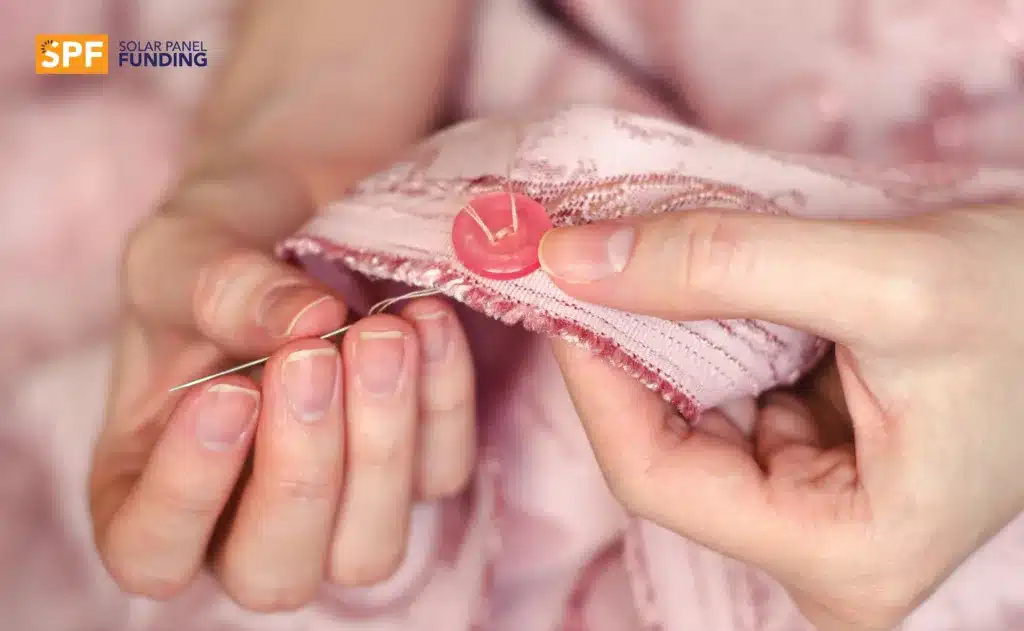
Second-hand shopping can reduce waste, but it is not your only option. You can also keep the clothes you already own in good shape. Sewing gives you a simple way to do that.
You do not need to sew full outfits to make a difference. Small repairs can extend the life of your clothes.
You can start with simple fixes, like:
- sewing on a button
- stitching a small tear
- fixing a loose hem
These repairs take a few minutes, but they can save you from replacing an item you still like.
If you do not know where to start, online tutorials can help. Many videos explain each step clearly.
This also applies to the rest of your wardrobe. You can learn to mend your shoes and bags or send them to places like The Seam where local makers can mend them.
If you clear out your wardrobe this year, try not to throw clothes away. Donate wearable items to a charity shop. Take worn-out items to a fabric recycling point if your local area offers one.
Quick start: Pick one item in your wardrobe that needs a small repair and fix it this week.
7. Save Energy and Water at Home
Your home uses energy and water every day. These costs add up quickly, especially in winter.
However, few small changes can reduce waste, lower your bills, and cut your carbon footprint.
Simple ways to save water
Water waste often starts in the bathroom. A tap running for one-minute uses around 6 litres of water. If you brush your teeth for two minutes with the tap on, you can use around 12 litres without meaning to.
That’s a lot of water wasted without even realising.
You can save water by:
- turning off the tap while you brush your teeth
- cutting your shower time by one minute
- running full loads in your washing machine and dishwasher
Simple ways to save energy
Heating often uses the most energy in UK homes. Keeping heat inside your home can reduce how often you reach for the thermostat.
You can save energy by:
- using draught excluders around doors and windows
- closing curtains in the evening to keep heat in
- switching to LED light bulbs
- using a hot water bottle or heat pack instead of turning the heating up
- sealing heat leaks around letterboxes and chimneys
- switching to more energy efficient appliances
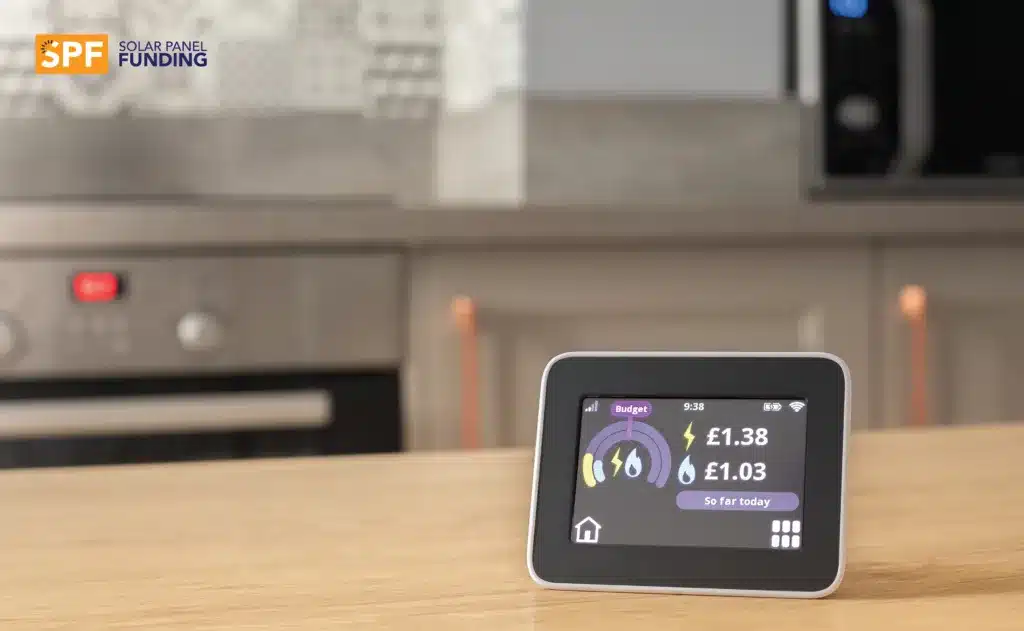
You can also make bigger changes when the time feels right. Insulation can keep warmth in for longer. A smart meter can help you track your usage.
Switching to a renewable electricity tariff is one of the easiest upgrades. This change can cut your household emissions without changing your daily routine.
If you want to go further, low-carbon upgrades like an air source heat pump can reduce how much gas or electricity your home needs for heating.
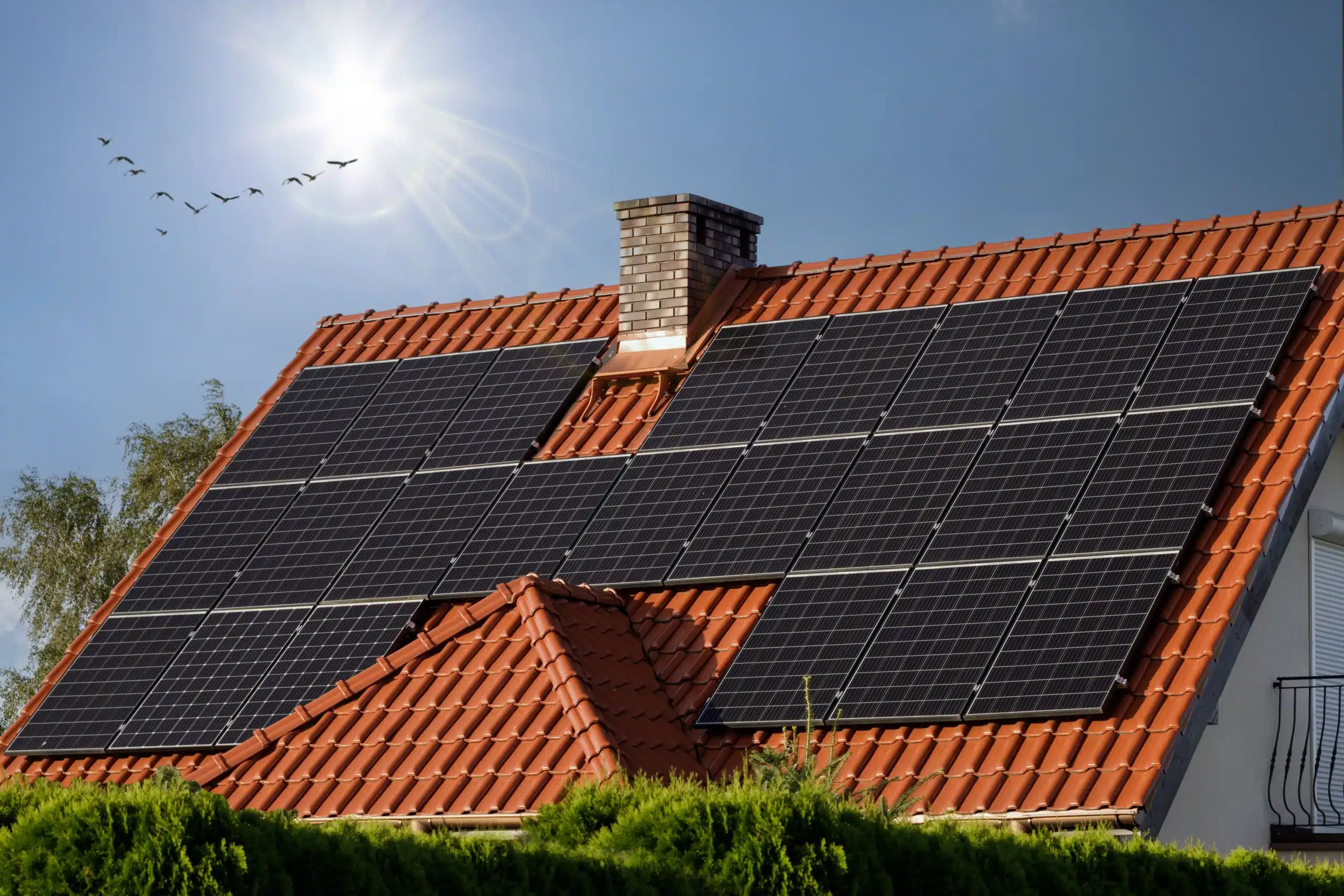
Installing solar panels can reduce how much electricity you need from the grid and lower your bills over time, especially if you use more energy during the day.
Pairing solar panels with battery storage can improve your solar savings even more. A home battery stores the electricity your solar panels generate during the day. You can then use that stored energy later in the evening, when the sun is not out.
If you want to cut your electricity bills long-term, solar panel funding can make the switch more affordable.
Quick start: Turn off the tap while you brush your teeth or reduce your shower time by one minute this week.
8. Learn How to Ride a Bike (or Cycle More Often)
Transport creates a big share of UK emissions, and many of those emissions come from short, everyday trips. These are the journeys people do on autopilot, like the school run, a quick shop, or popping to the gym.
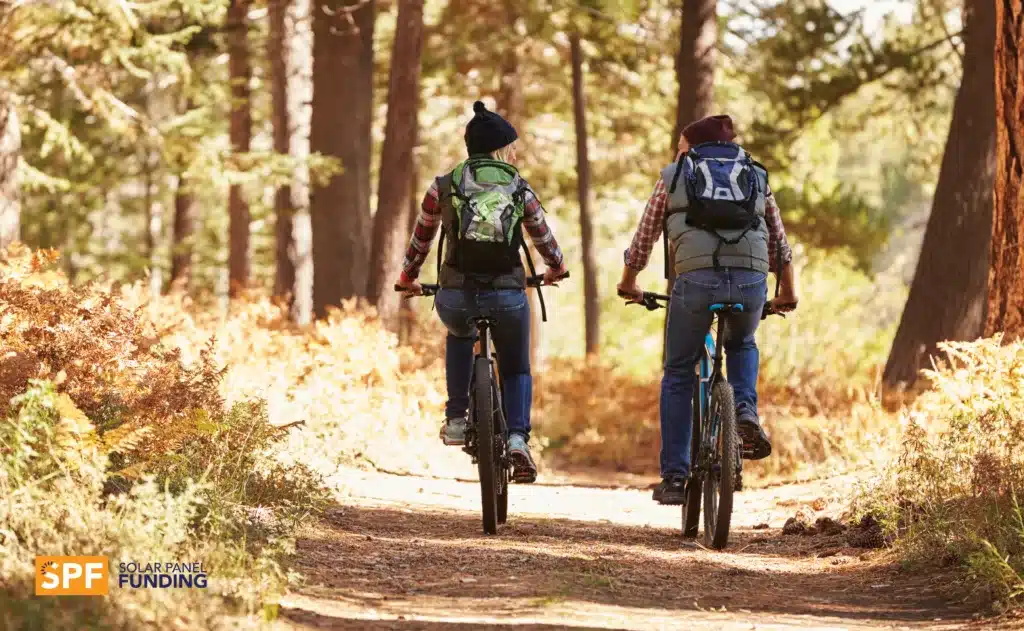
Cycling gives you a low-carbon way to travel, and it often costs less than driving. It can also give you regular movement during the week, without needing to “find time” for exercise.
Cycling also feels easier now in many towns and cities because more cycle lanes exist than before. Some rides even feel quicker than driving during rush hour.
If you never learnt to ride a bike, it’s not too late to start. Many local councils and community groups run adult cycling lessons. Some areas also offer cycle confidence training, which helps you feel safer on the road.
If you already cycle, the easiest step is to make it part of your routine. One regular journey each week is enough to build the habit.
You can also help someone else learn. That support can make cycling feel less intimidating.
Quick start: Swap one short car journey this week for a walk or bike ride.
9. Drive Less and Use Shared Transport When You Can
Cycling will not work for every journey. Some trips feel too far. Some routes feel unsafe. Bad weather can also change your plans quickly.
But cars create emissions every time you use them, and many people drive alone. This pattern puts more cars on the road than necessary and increases local air pollution and congestion. Public transport can help reduce that impact.
Public transport lowers emissions per person because one bus or train can carry lots of people at once.
Carpooling can also reduce the number of cars on the road, especially for commutes, school runs, and weekend plans.
Small changes often work best here. A short walk can replace a quick car trip. One bus journey can cut a week of short drives. A shared lift can reduce two cars to one.
Travel habits can also show up in your holidays. A staycation can replace a long journey and still give you a proper break. Local trips can feel new when you treat them like a change of scenery.
Quick start: Pick one journey you usually drive and replace it with a shared option this week.
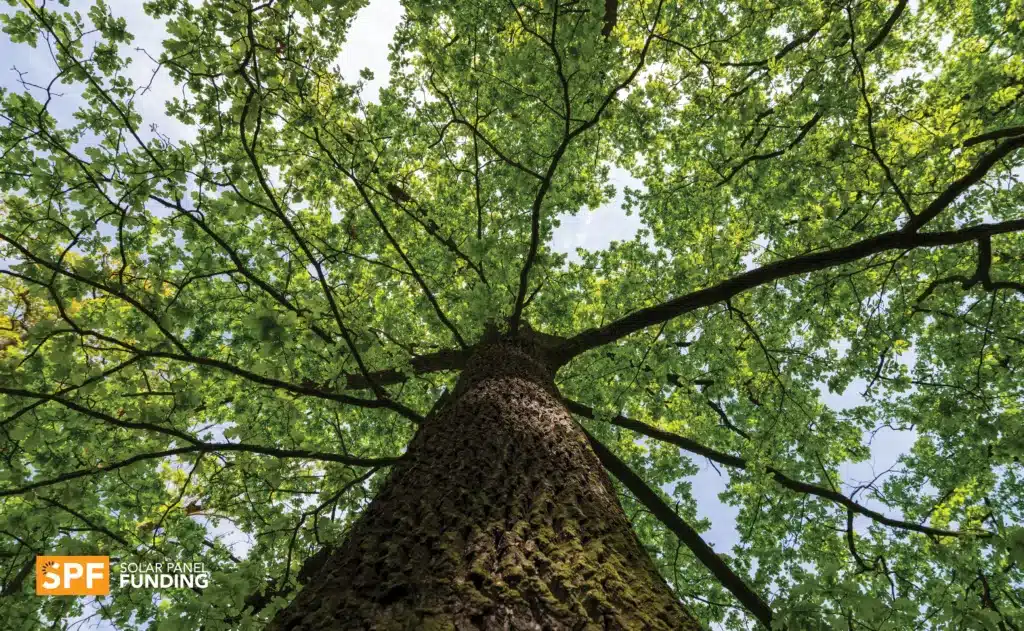
10. Get to Know Nature
Spending time outdoors can support your mental and physical health. Nature can reduce stress, lift your mood, and encourage daily movement.
Nature also feels more accessible than people expect. You do not need a countryside lifestyle to enjoy it. Many towns and cities still have parks, rivers, canals, gardens, and green walking routes.
A lunchtime walk is one of the easiest places to start. Even a short walk can help you reset your mood and break up the day.
This habit becomes even more rewarding when you learn what you are looking at. Many UK birds, plants, and insects are easy to recognise once you know their names. A simple goal can keep it interesting. You can try to spot one new species each week.
Getting to know nature can also support conservation work. Scientists and local wildlife groups track species to understand how nature is changing.
Public sightings help build that data. Nature surveys and BioBlitz events make this easy because they guide you through what to look for and how to record it.
You can also support biodiversity through local planting events. Tree planting and hedgerow planting create habitats for wildlife. These projects can also improve local green spaces and support cleaner air.
Quick start: Take a short walk this week and notice one bird, plant, or insect you have never named before.
11. Spread the word
Sustainable habits can feel easier when other people around you understand them. A small change at home can lead to bigger change when people share ideas with each other.
Talking about greener choices does not need to feel awkward or intense. It can be as simple as recommending something that worked for you.
You can mention a swap that saved you money, recommend a refill shop you like, or even point someone to a good second-hand app. These small nudges help other people start without feeling pressured.
Some people like taking it a step further. A workshop or skill share can help people learn practical habits, like cooking with leftovers or repairing clothes. A book club can also create space for deeper conversations, without turning everything into a debate.
Local action matters too. A message to your MP can raise concerns about waste, transport, green spaces, or air quality in your area. Supporting eco-friendly businesses can also help, especially when more people choose them regularly.
Sustainable living spreads through normal life. One conversation can lead to one new habit. That habit can lead to another. That is how change builds over time.
Quick start: Recommend one sustainable habit you actually enjoy to someone this week.
In Conclusion
Eco friendly New Years resolutions work best when they fit into real life. Small changes are easier to keep up with, and they tend to stick when they also save time or money.
A greener routine often builds slowly. One change leads to another. Over time, those choices add up to something that feels manageable and meaningful.
The most important part is starting in a way that feels realistic. From there, it becomes easier to build habits that work for you and for the planet.
Do eco-friendly habits really save money?
Yes, many eco-friendly habits can reduce household costs. Using less energy and water lowers bills. Buying second-hand and repairing items can reduce spending. Solar panels can lower electricity costs over time.
Is going fully vegan necessary to reduce my carbon footprint?
No. Eating less meat, even for a few meals a week, can still reduce emissions. Cutting back on beef and lamb can make a particularly big difference.
Is recycling enough to reduce plastic waste?
Recycling helps, but it does not solve the whole problem. Most plastic ever produced has not been recycled. Reducing single-use plastic is one of the most effective steps you can take.
Are solar panels worth it for UK homes?
Solar panels can reduce how much electricity you need from the grid and lower your bills over time. Homes that use more electricity during the day often see the biggest benefit.
Can I get help paying for solar panels?
Yes. Solar panel funding may be available depending on your home and circumstances. Checking eligibility only takes a few minutes and can show whether support is available.