

- Why Europeans Are Putting Solar Panels on Their Driveways
- How Do Driveway Solar Panels Work?
- How Much Power Could Driveway Solar Panels Produce?
- How Much Electricity Does a UK Home Need?
- Could Driveway Solar Panels Cover the Cost to Run Your Home?
- How Does Roof Solar Compare?
- Why Roof Solar Is the Best Choice for Your Home
- Check If You Qualify for Fully Funded Solar Panels
- FAQs
Across Europe, households are getting creative about where they put solar panels. In the latest wave of residential solar adoption Europe driveways have become one of the most popular new spots, alongside patios and garden paths, with homeowners turning the ground under their feet into a small power station. It’s a brilliant way to put unused space to work, and it shows just how keen people are to take charge of their own energy.
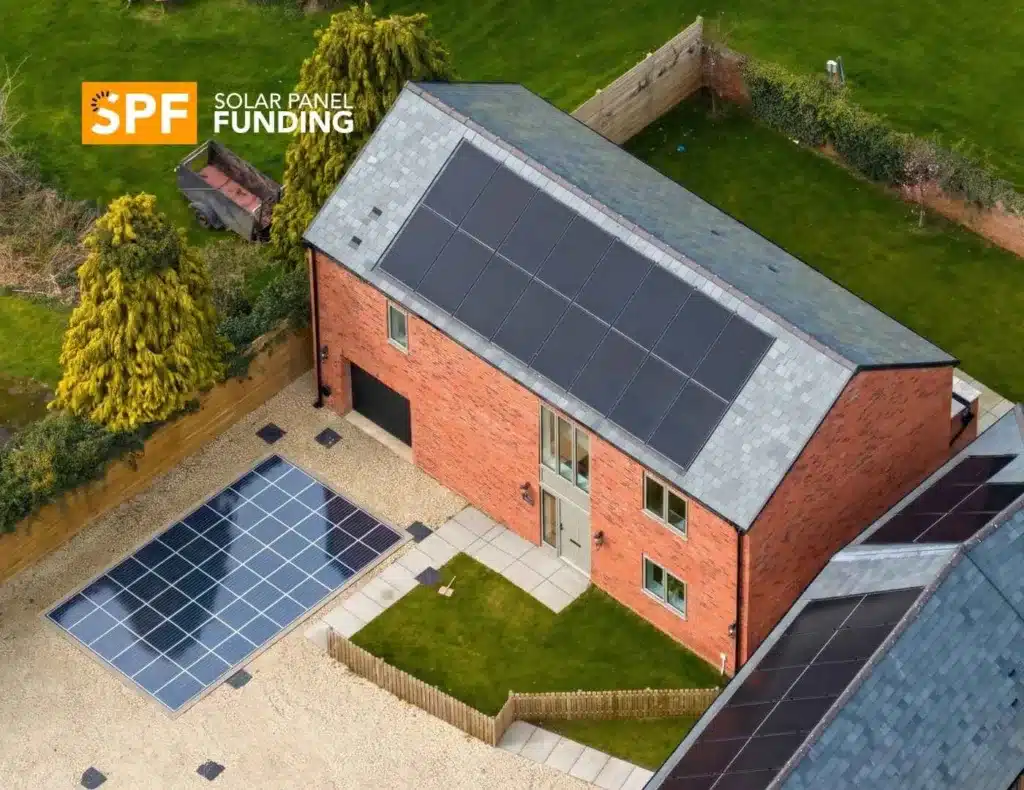
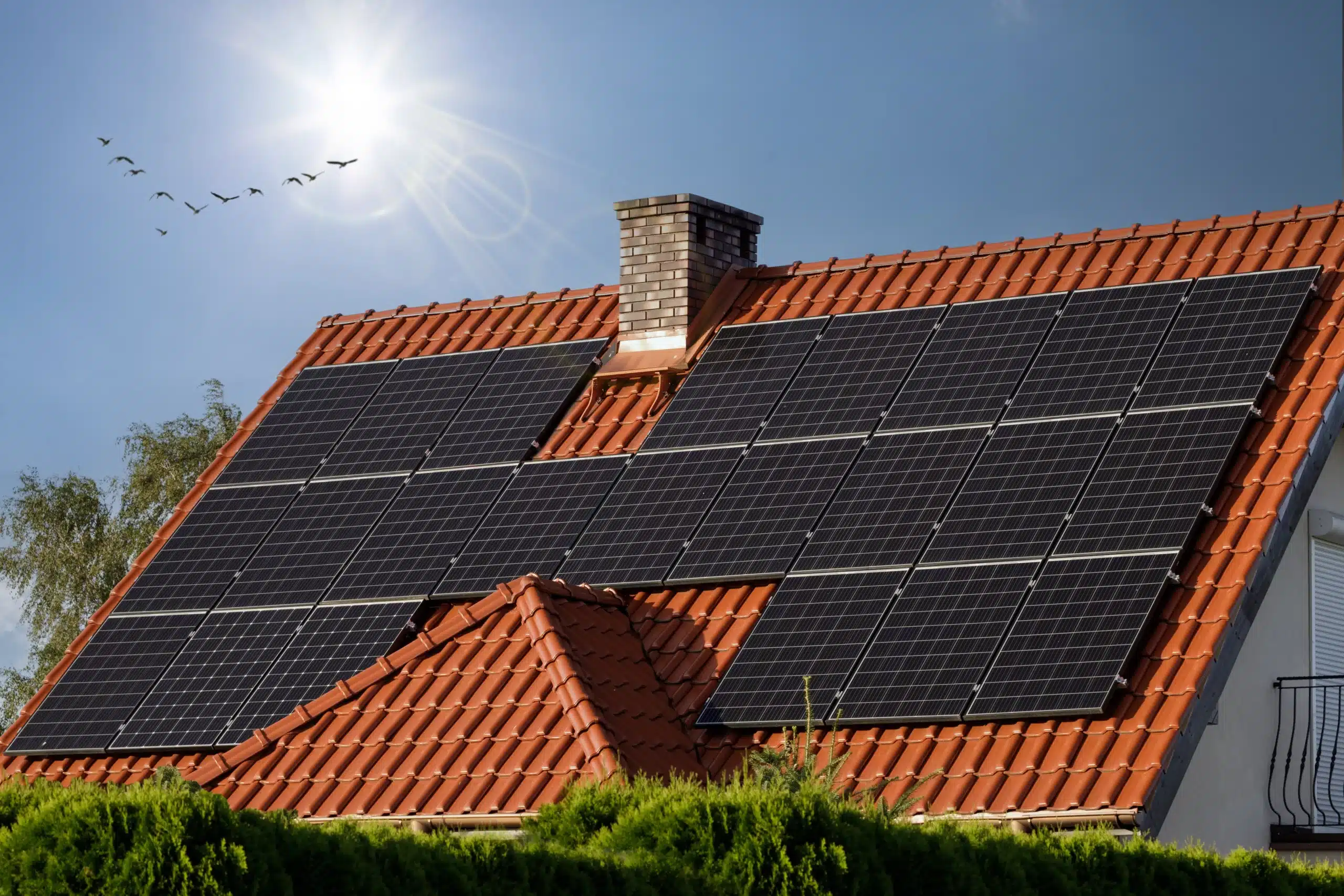
If you’re a UK homeowner who has seen images of driveway solar panels popping up in European countries and wondered whether they would suit your home, the numbers tell a clear story. Driveway solar is a smart idea, but if you want to be powering your whole home, roof solar is always the best option.
Why Europeans Are Putting Solar Panels on Their Driveways
Energy prices have been on everyone’s mind this year. Conflict around the Strait of Hormuz, a shipping route that normally carries about a fifth of the world’s oil, has driven oil and gas prices sharply higher. Solar has helped soften the blow for some homeowners. According to analysis from SolarPower Europe, solar has saved the EU €40 billion in gas imports it no longer needed since the conflict started.

Homeowners have responded by looking for ways to make their own electricity. In Germany, some solar firms saw solar enquiries climb by 30 per cent in the first weeks of the conflict. In the UK, E.ON recorded a 23 per cent jump in solar interest in late February, followed by a further 63 per cent rise in early March.
That demand has pushed companies to think beyond the roof. Sonia Dunlop, CEO of the Global Solar Council, told Euronews that people pick solar because it puts them back in control after years of unpredictable bills, and that driveways, patios, fences and car parks are now joining the mix as prices fall and designs become more flexible.
How Do Driveway Solar Panels Work?
Driveway solar panels use the same basic technology as roof panels, just built to be stood on. Hungarian start-up PLATIO, which first showed its prototypes in 2016, makes solar paving for patios and decking and now operates in 13 European countries. Its panels sit under toughened, anti-slip glass, so you can walk on them and even park a car on top.
Keeping them working well is simple. A quick clean helps the panels produce as much as possible, though PLATIO says dust only costs around three per cent in performance, depending on the installation.
The idea is reaching the UK too. New British solar companies are opening, specialising in driveway solar, opening up the UK to this new potential solar use.
How Much Power Could Driveway Solar Panels Produce?
A real example gives a good sense of scale. In 2018, PLATIO fitted a nine square metre system on the driveway of a family home in Hungary. At 1.7 kWp, it can, in theory, cover the steady background load of a fridge and fridge freezer, along with LED lighting and small kitchen gadgets such as a blender or slow cooker.
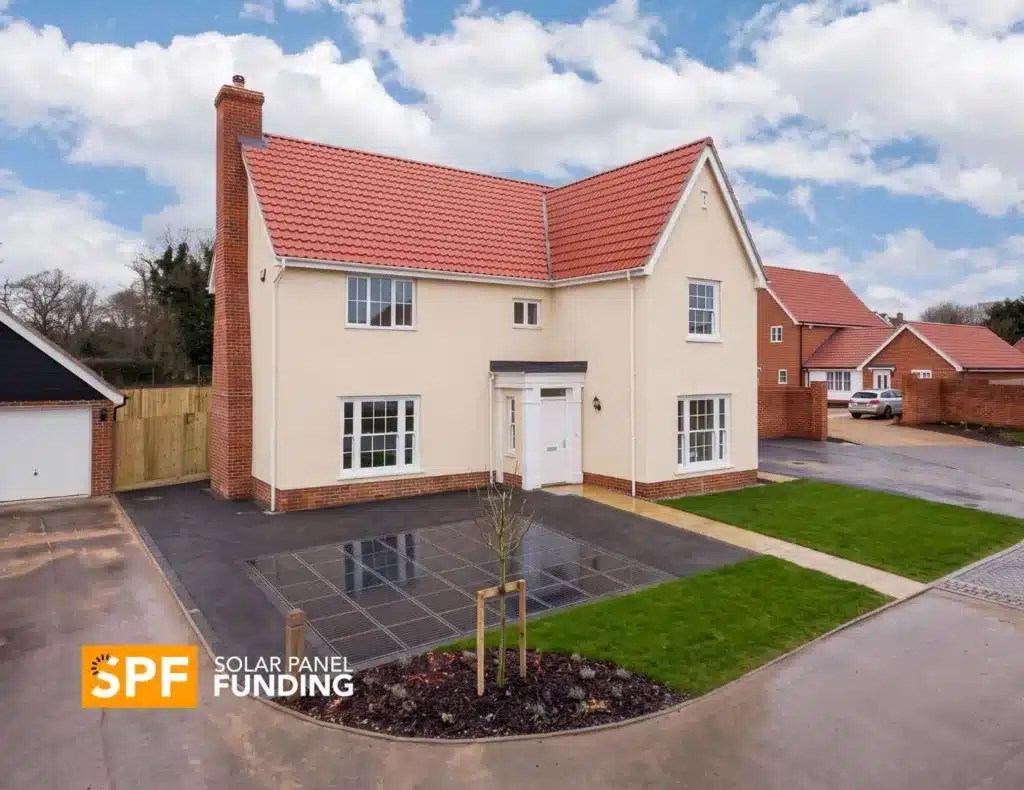
Bigger spaces can do more. A 6.64 kWp solar courtyard PLATIO installed at a six-flat apartment building near Frankfurt is large enough to meet the yearly electricity needs of a typical three-bedroom home when running at full output. The catch is that a courtyard serving six flats is far larger than the average British driveway.
Position matters as well. Panels laid flat on the ground generate less than angled roof panels, because they miss the sun’s direct rays for much of the day. Solar loves a good angle, and a driveway simply can’t give it one.
How Much Electricity Does a UK Home Need?
To work out whether driveway solar could run your home, it helps to know what a typical home uses.
Ofgem, the energy regulator, sets a benchmark called the Typical Domestic Consumption Value. Since 1 July 2026, it has used 2,500 kWh of electricity a year as the figure for a medium user. That figure was lowered to reflect the fact that UK homes have been using less energy over the past few years.
Your own use could be higher or lower depending on the size of your home, how many people live there and what appliances you run. Your annual kWh is shown on your energy bill or in your supplier’s app, so it’s worth checking before you compare options.
Could Driveway Solar Panels Cover the Cost to Run Your Home?
Let’s take the Hungarian driveway as our example. A 1kW solar system in the UK generates around 850 kWh a year when it’s well angled, so a 1.7 kWp system would land somewhere near 1,450 kWh. Because driveway solar panels lie flat, the real figure would come in a little under that. Your car will also be parked on part of the array for some of the day.
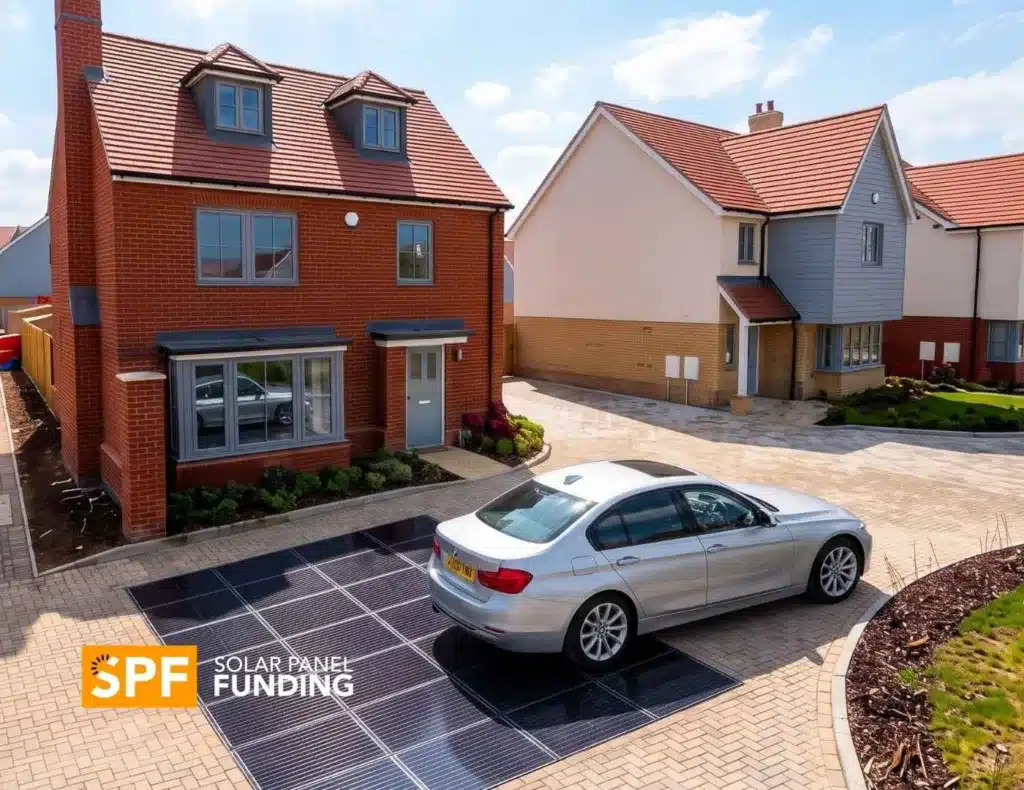
That puts a typical solar driveway at around half of the 2,500 kWh a medium UK home uses each year. Half your electricity from a space you’d otherwise just drive over is a genuinely good result, and it would make a real difference to your bills. It just won’t cover the full cost of running your home on its own.
How Does Roof Solar Compare?
This is where roof solar pulls ahead. A typical 4 kWp solar system in the UK can generate around 3,400 kWh a year. A setup that size usually means about 10 to 14 panels, which fits comfortably on most UK roofs.
Compare that with the 2,500 kWh Ofgem uses for a medium home, and a standard roof system produces more electricity in a year than the average household uses. That’s more than double what the driveway solar panels in our example could manage.
Any electricity you don’t use yourself isn’t wasted either. Through the Smart Export Guarantee, solar owners can sell their surplus back to the grid, bringing in extra income.
The savings add up. The Eco Experts’ latest survey found UK homeowners with solar panels saved an average of £462.70 a year on their energy bills.
Roof Solar Can Add Value To Your Home
Roof panels also make your home more attractive to buyers. Research cited by The Eco Experts suggests buyers will pay up to 7.6 per cent more for a home with solar panels, which works out at around £20,547 on an average UK property. Solar can also lift a home’s EPC rating by more than two bands. Nearly a quarter of UK homeowners with solar (23 per cent) said raising their property’s value was the main reason they bought them.
Why Roof Solar Is the Best Choice for Your Home
Driveway solar has earned its place in the conversation, and seeing homeowners across Europe put every sunny surface to work is exciting. When you weigh it all up, though, your roof is the best place for solar panels.
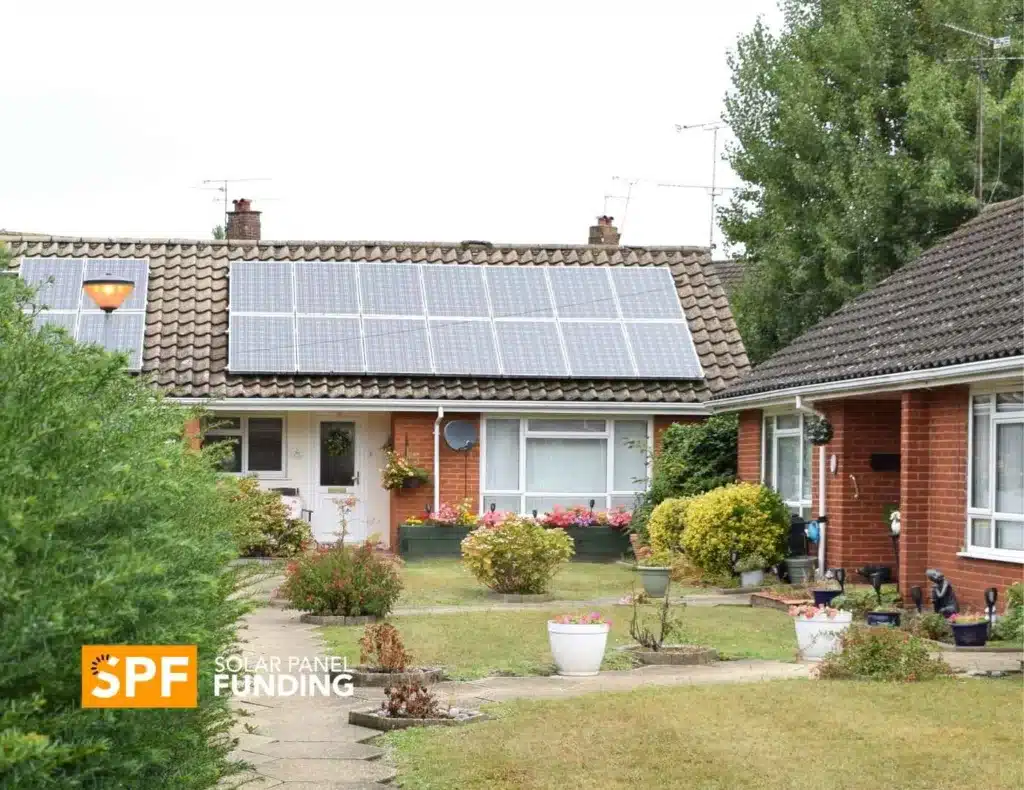
Roof panels are fitted at an angle that catches far more direct sunlight, so each panel works harder. A roof usually gives you more space than a driveway, so you can fit a bigger system that covers more of your needs. Your panels sit out of the way, with no cars, footprints or garden furniture on top of them. Roof installation is also well established in the UK, with experienced, accredited installers in every region.
There’s a timing benefit too. Solar panels currently carry no VAT, though The Eco Experts notes that the 0 per cent rate is due to end on 1 April next year. Getting your panels fitted sooner means you start saving sooner.
What If My Roof Can’t Take Solar Panels?
Some roofs aren’t a good fit, such as heavily shaded roofs or those made from materials like thatch. For those homes, driveway or patio solar is a fantastic way to still enjoy the benefits of generating your own electricity. For everyone else, the roof is the clear winner.
Check If You Qualify for Fully Funded Solar Panels
If you’d like to make the most of solar, the simplest first step is finding out what’s available to you. Fill out the form on the Solar Panel Funding website, and our team will let you know whether you qualify for fully funded solar panels. If you don’t qualify, we’ll find you the best solar rates with a trusted local installer, so you still get great value from your roof.