


This morning, energy regulator Ofgem confirmed what many had feared: the energy price cap is rising by 13% from July 1st. For the average household, that’s £221 more a year, and it’s all down to a war the UK didn’t choose to be part of.
Millions of households across the UK are bracing themselves for another round of rising bills, and the latest announcement from energy regulator Ofgem has confirmed what many feared. So, are energy prices going up? Yes, and by more than most people were hoping. From July 2026, the average household energy bill is set to hit £1,862 per year, a rise of 13%, and the reason is thousands of miles away from your home.
What Is the Energy Price Cap?
Before we get into the numbers, it’s worth quickly explaining what the energy price cap actually is, because it affects almost every household in the country.
The energy price cap was introduced on 1 January 2019 by Ofgem (the Office of Gas and Electricity Markets), the regulator that oversees the UK energy industry. Its job is to protect millions of households on standard variable tariffs, the default tariffs most people are put on if they haven’t chosen a specific deal, from being overcharged.
The cap doesn’t limit your total bill. Instead, it limits the maximum amount your supplier can charge you per unit of gas and electricity, plus the maximum daily standing charge (the fixed daily fee you pay just for being connected to the grid). So the more energy you use, the more you’ll pay, but the cap ensures you’re never charged more than a set rate per unit.
Ofgem reviews and updates the cap every three months, basing it largely on wholesale energy prices, that is, the amount energy companies themselves pay to buy gas and electricity before selling it on to you. Right now, those wholesale prices are going through the roof, which brings us neatly to the big question: why?
Are Energy Prices Going Up? Yes, And Here’s Why
The short answer is yes, and the reason is geopolitical. The conflict involving Iran has sent shockwaves through global energy markets, and UK households are now beginning to feel the impact on their bills for the first time.
The Iran War and the Strait of Hormuz
The Iran war began on February 28, triggering a blockade of the crucial Strait of Hormuz shipping route, which led to significant disruption of global trade and energy markets. Here’s why that matters to you: the Strait of Hormuz is the route through which a fifth of the world’s oil and gas is carried. When that passage is blocked or restricted, global gas supplies tighten, demand stays the same, and prices surge.
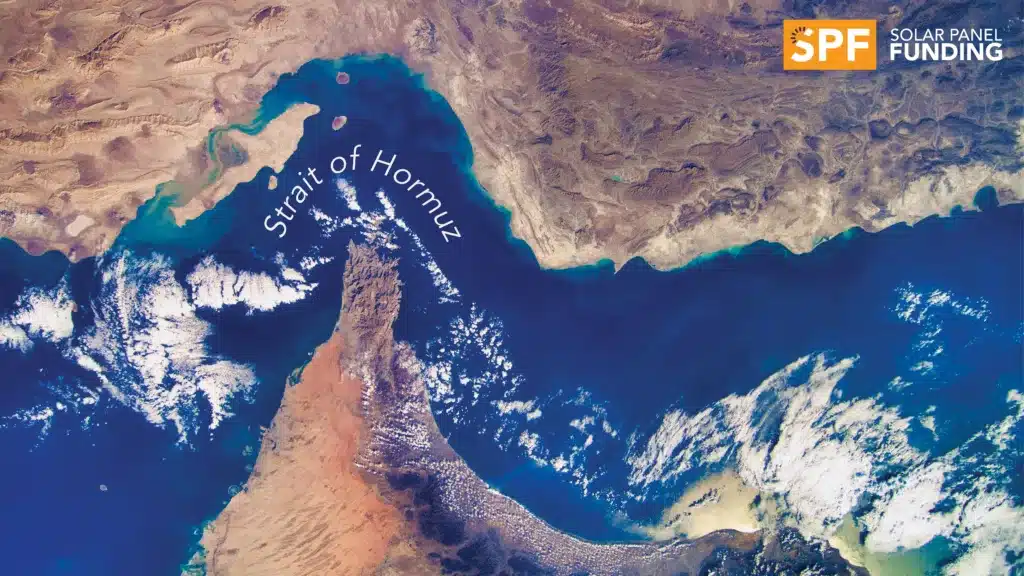
The energy price cap is calculated based on wholesale energy prices, the amount energy providers pay for gas and electricity before supplying it to households, which has been rocketing higher in recent months as the passageway remains blocked.
The previous price cap level had been set using market data from before the conflict escalated, making the July 2026 increase the first to fully reflect the recent turmoil in the Middle East.
Energy Secretary Ed Miliband did not mince his words when the news was announced. He described the rise as “deeply unwelcome news” for households, saying it was happening “because of a war we did not choose.” He added that easing the burden on households is the government’s “number one priority,” pointing to measures including a fuel duty freeze and free bus travel for children in England from August.
Ofgem chief executive Tim Jarvis echoed those concerns, stating that the price change “reflects continued volatility in global energy markets” and acknowledged that “many will be concerned about rising prices.”
The Numbers in Plain English
So will electricity prices go up? Yes, but perhaps slightly less than gas. Households will see an increase of 24% on their gas bills, but a smaller rise of around 5% on their electricity bills.
Here’s how it stacks up:
- Previous cap (April to June 2026): £1,641 per year
- New cap (July to September 2026): £1,862 per year
- Difference: £221 more per year, or around £18 more per month
The cap affects millions of homes on variable tariffs in England, Scotland and Wales, and suppliers are warning that it could go even higher in the colder winter months without a resolution to the conflict thousands of miles away.
That last point is worth sitting with. If you’re already worrying about the summer rate, the winter outlook could be even tougher. So, asking whether electricity prices will go up further, the honest answer is: quite possibly yes.
What Can You Do Right Now?
The good news is you’re not completely powerless here. There are things you can do both immediately and in the long term to reduce the impact of rising bills.
Fix Your Tariff Now
This is the single most impactful thing many households can do right now. Currently, 40% of accounts, or 22 million, are on fixed tariffs and are therefore unaffected by this price rise. If you’re not on a fixed deal, you’re on a variable tariff, which means every time the price cap goes up, your bills go up too.
Shopping around for a fixed-rate energy deal means you’ll pay a set rate per unit regardless of what happens to wholesale prices for the length of your contract. With uncertainty in the Middle East showing little sign of resolving soon, locking in now could save you a significant amount over the coming months.
Simple Energy-Saving Habits That Add Up
While switching tariffs is the big lever, there are also plenty of smaller day-to-day habits that can trim your bills. None of these will transform your finances on their own, but together they can make a real difference, especially when you’re asking yourself whether electricity prices will go up even further.
In the kitchen:
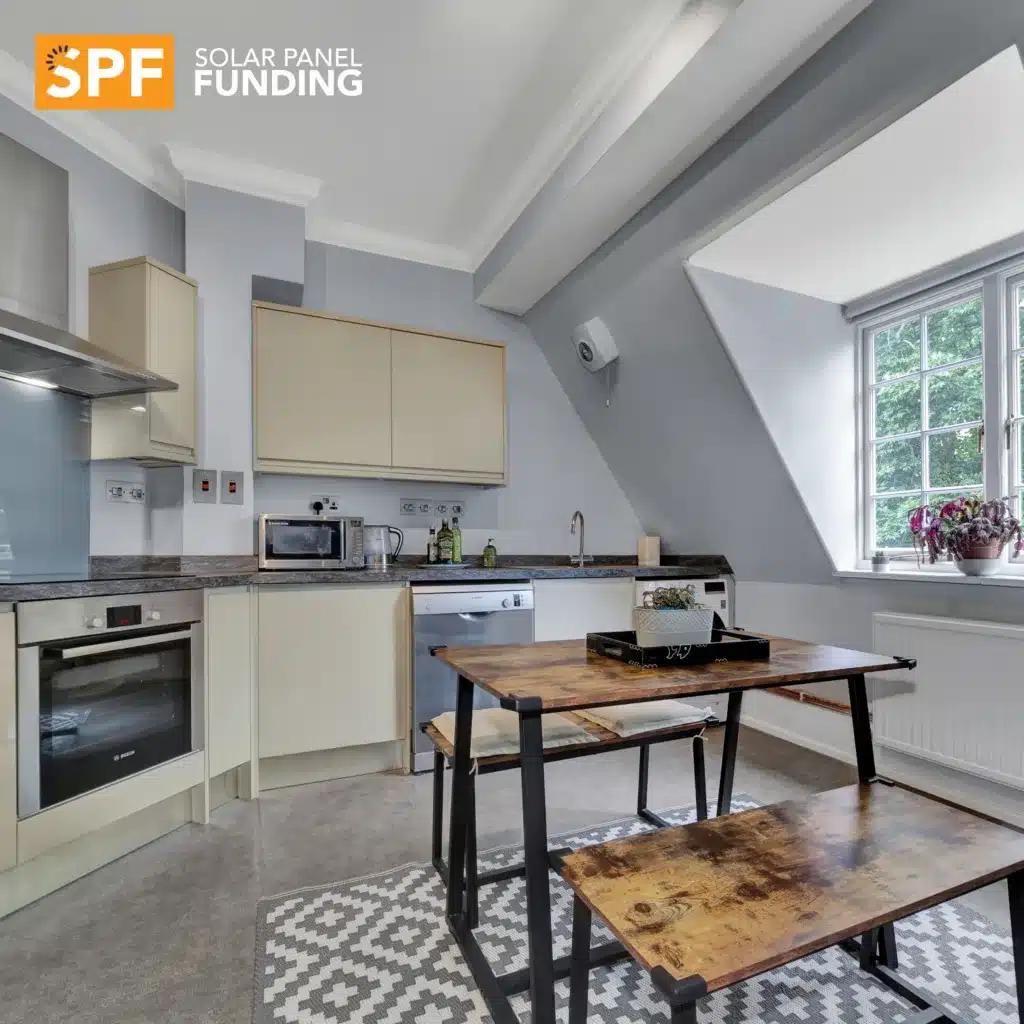
- Only boil as much water as you actually need. Overfilling the kettle every time costs more than you’d think across a year. According to the Energy Saving Trust, simply boiling only the water you need can save around £10 annually.
- Wash clothes at 30°C rather than higher temperatures. Washing at 30°C uses around 40% less electricity over a year than washing at higher temperatures.
- Run your dishwasher on its eco setting where possible.
Around the home:
- Switching off lights when you leave a room can save around £7 per year on electricity bills, according to the Energy Saving Trust. Small, yes — but easy.
- Turn devices off at the wall rather than leaving them on standby. Devices on standby account for 5-10% of household electricity. Smart plugs can automate this without any effort.
- Lowering your thermostat by just 1°C can save around £145 per year.
- Switching to LED bulbs can save around £180 per year.
Bigger changes worth considering:
- Get a smart meter fitted if you haven’t already, they’re free, and seeing your energy use in real time typically helps households cut consumption by 10-15%.
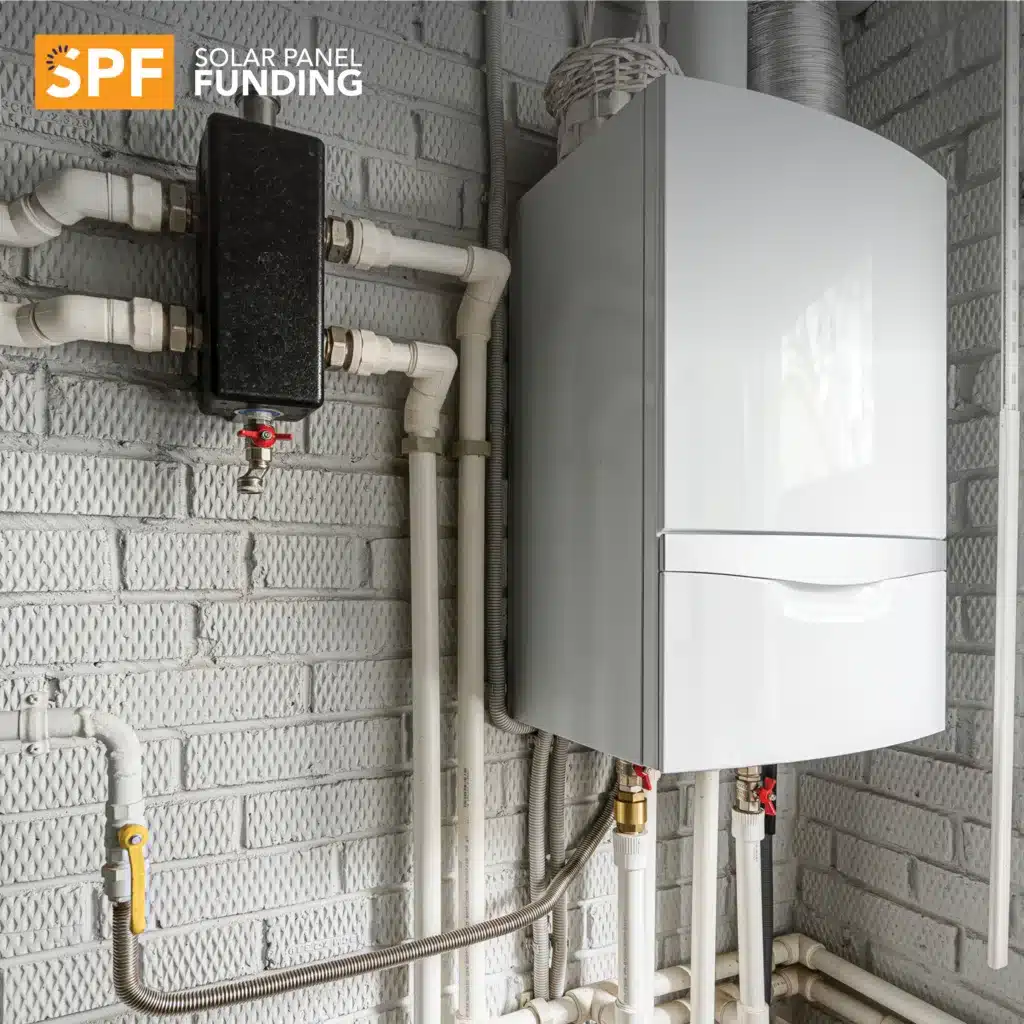
- If your boiler is more than 12 years old, it’s probably operating at 70-80% efficiency at best, while modern condensing boilers hit 92% or more, with replacements saving 15-25% on heating bills.
Will Electricity Prices Go Up Next Quarter Too?
It’s a question on everyone’s lips, and the honest answer is: it depends on the global situation. If the conflict in the Middle East continues and the Strait of Hormuz remains disrupted, wholesale gas prices are unlikely to fall significantly in the near future. Energy consultancy Cornwall Insight had previously forecast the July cap could even reach above £1,900 before Ofgem confirmed the £1,862 figure.
Ofgem reviews the cap every three months, so the October figure will again depend heavily on what happens between now and then. Given that backdrop, taking steps to insulate yourself from future rises makes more financial sense now than ever. And the most effective way to do that long-term? Generate your own electricity.
Go Solar: The Long-Term Solution to Rising Energy Bills
Here’s the thing about solar panels, they don’t care about the Strait of Hormuz. They don’t care about wholesale gas prices, Ofgem announcements, or geopolitical tensions. The sun keeps shining, and your panels keep generating free electricity for your home.
If you’re fed up asking “are energy prices going up?” and feeling powerless about the answer, solar is the one solution that puts you back in control.
How Solar Panels Help
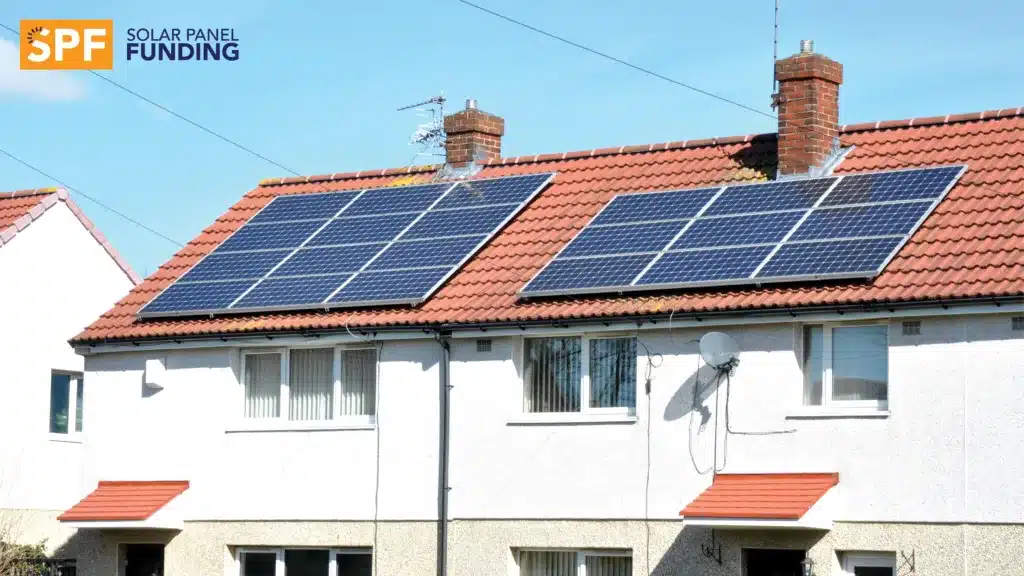
When you have solar panels installed on your home, you generate your own electricity directly from sunlight. That means for every unit your panels produce, you’re not buying that unit from your energy supplier. When will electricity prices go up again? With solar, it matters much less, because a large chunk of your electricity is already coming from your roof — for free.
On a typical day, a well-sized solar system can cover all of a typical household’s electricity needs, and even in winter or on overcast days, panels still generate meaningful amounts of power. Add a battery storage system, and you can store any surplus energy generated during the day to use in the evenings, further reducing your reliance on the grid.
What About the Cost?
The cost of solar panels has fallen dramatically over the past decade, and average systems in the UK now cost around £4,000, though this varies depending on the size of your home, your energy needs, and other factors like whether scaffolding is required.
On average, homeowners see savings and earnings of around 15-20% on their energy bills after going solar, and that figure only grows as energy prices increase. There’s also the Smart Export Guarantee (SEG), which allows you to sell any surplus electricity you generate back to the National Grid, meaning your solar panels could actually earn you money as well as saving it.
And here’s the part that surprises a lot of people: you may be able to get solar panels fully funded. There are grants and funding schemes available that could cover the full cost of installation, meaning you could start generating your own electricity without spending a penny upfront.
Could You Qualify for a Solar Grant?
Solar Panel Funding specialises in helping homeowners across the UK access fully funded solar panel schemes and other finance and funding options. Whether you qualify for a full grant or would benefit from a low-cost finance arrangement through a local, trusted installer, the team can find the best option for your situation.
The process is simple: fill in the short form on the Solar Panel Funding website, and the team will be in touch to let you know whether you qualify for fully funded panels or to find you the best available solar rates in your area.
It takes just a few minutes, and it could be the step that means the next time Ofgem announces a price rise, you just shrug.
Summary: What You Need to Know
Let’s bring it all together. Are energy prices going up? Yes. The energy price cap will rise 13% from July 1, putting the average household bill at £1,862 per year. The cause is the ongoing conflict in the Middle East and its impact on global gas supply. Will electricity prices go up even further? It’s possible, depending on how the situation develops.
But you’re not helpless. Here’s your action plan:
Right now: If you’re on a variable tariff, compare fixed-rate energy deals and switch. This one step can protect you from the next cap rise entirely.
Day to day: Small habits like lowering your thermostat, turning off lights, turning standby electronics off, and washing at 30°C add up to meaningful savings over the course of a year.
Long term: Solar panels are the most effective way to reduce your reliance on the grid permanently. With fully funded options available, the upfront cost needn’t be a barrier.
The energy market is unpredictable right now, and nobody can say with certainty when prices will stabilise. But the households that are taking action today, whether by switching tariffs, cutting waste, or going solar, are the ones who will feel the least pain when the next announcement comes.
If you want to find out whether you could get solar panels funded for your home, check your eligibility with Solar Panel Funding today. It’s free, it’s quick, and it could make a real difference to your bills for years to come.