
If you have been searching for plug in solar panels, plugin solar UK, plug and play solar panels UK, or plug in solar panels for home, you are asking the same basic question: is a simple plug-in kit the smart way to cut your energy bills, or is it a distraction from the real solution?
Right now, more UK homeowners are looking at solar because policy, energy security and household bill pressure are all pushing the market forward. As the UK moves towards stricter energy regulations like the Future Homes Standard, homeowners are increasingly looking for flexible solar solutions such as plug-in solar panels. On 24 March 2026, the government said plug-in solar panels would be available in shops within months, and also confirmed that the majority of new homes in England will come with solar panels fitted as standard.
Here is the truth most websites will dodge: for most homeowners, plug in solar panels are not the best answer.
They might be useful for renters, flats, balconies or people with no roof control. But if you own a house with a suitable roof, a full solar panel system is what actually moves the needle on your bills.
Check your solar funding eligibility today and find out whether you could get a professionally designed solar panel system installed without paying the full cost upfront.
What is plug in solar?
A plug in solar panel is a small solar setup designed to feed power into your home through a plug socket rather than through a traditional rooftop solar installation.
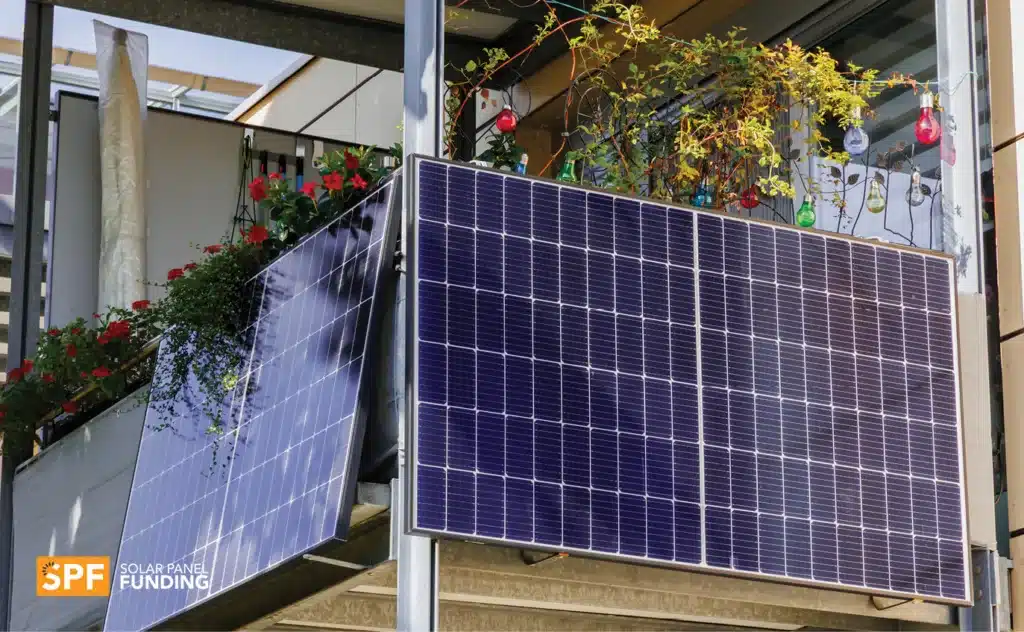
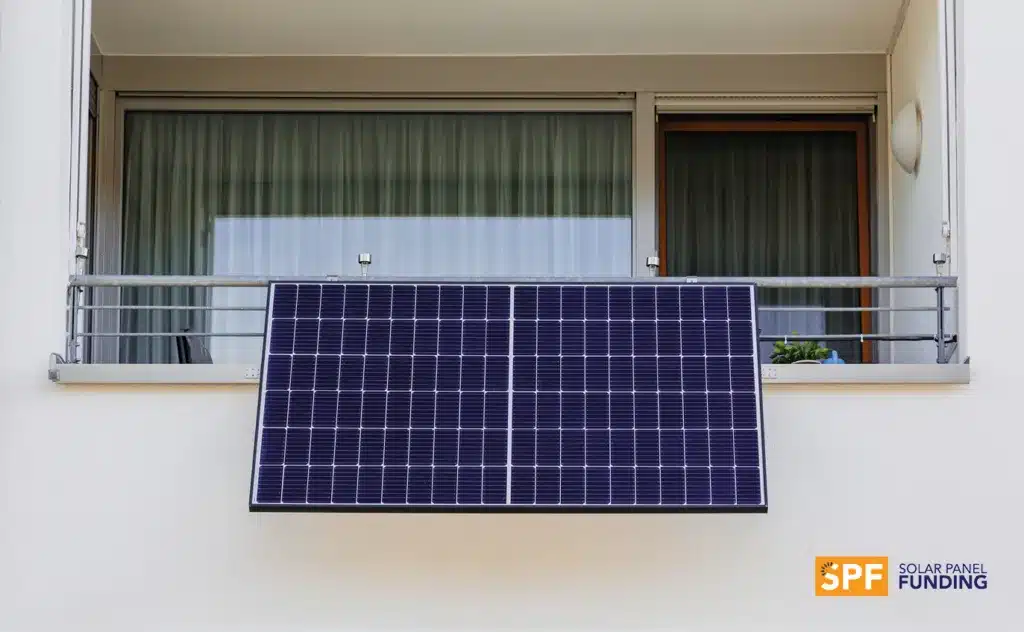
The government describes plug-in solar as low-cost panels that families can put on balconies or outdoor space, with the power used directly through a mains socket like any other device. In simple terms, most plugin solar systems are small-format kits, not a full home solar solution.
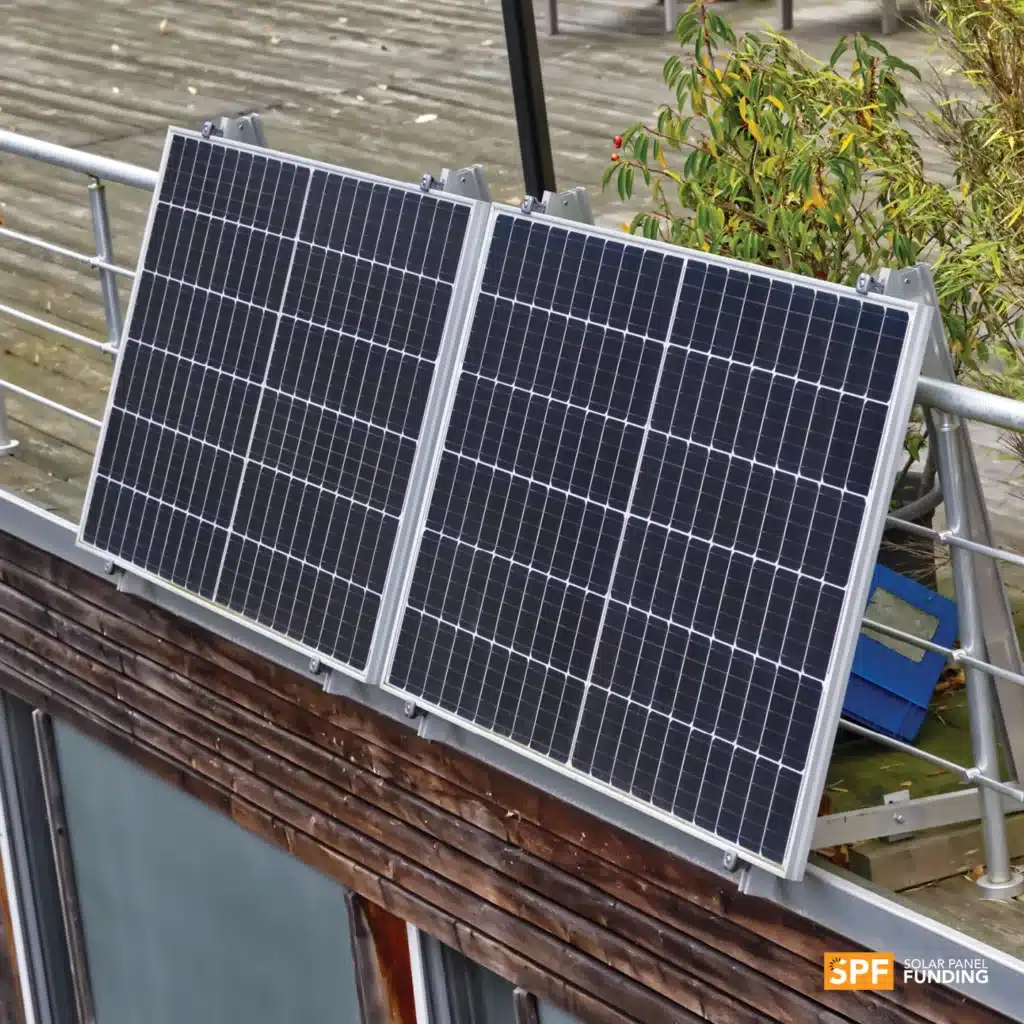
So if you searched what is plug in solar panels, what are plug in solar panels, solar panel with plug socket UK, or plug in home solar panels, that is what you are looking at: one or two panels, a microinverter, a cable, and a promise of easy savings.
That sounds attractive. It also sounds bigger than it is.
How do plug in solar panels work?
All solar panels work in broadly the same way. Solar PV cells absorb energy from daylight, create an electrical charge and generate electricity. In a standard solar setup, that electricity is converted to solar power and fed into your mains electric circuit so your home can use it on household appliances etc. In a plug-in setup, the same principle applies, but on a much smaller scale and through a simpler connection method. The electricity your panels generate is produced as direct current, but your home runs on alternating current, so it must be converted from DC to AC by a micro inverter before it can be used. This DC to AC conversion happens automatically within the plug-in kit, making the system simple to operate without any manual intervention.
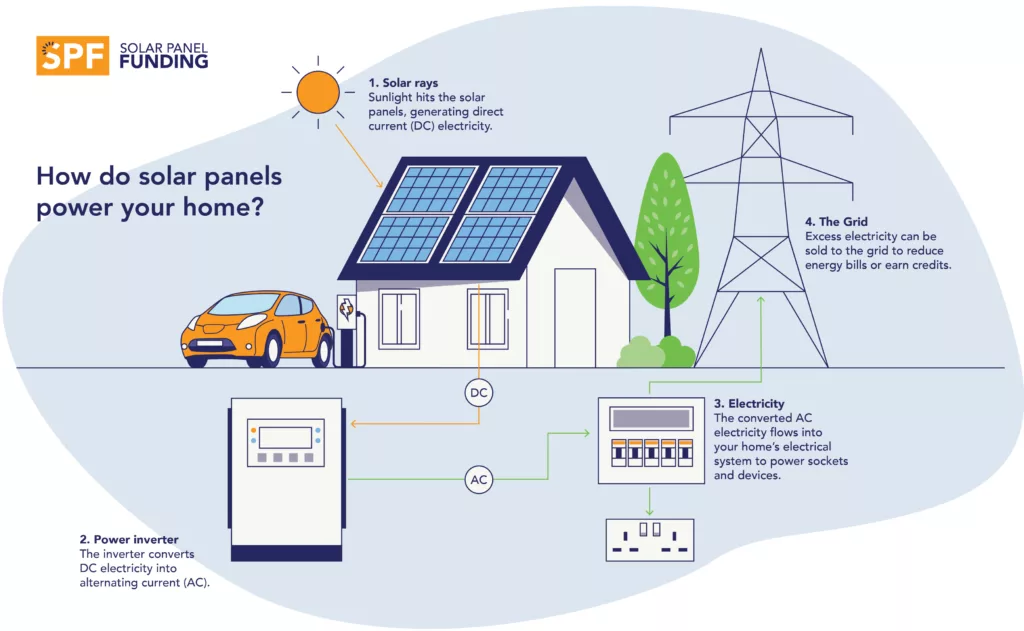
So when people ask how do plug in solar panels work or how does plug in solar work, the answer is straightforward: sunlight hits the panel, the panel generates power, a micro inverter converts it, and your home uses that electricity first before drawing more from the grid.
That is the easy part.
The harder question is whether that small amount of generation is enough to justify the hype.
Is plug in solar legal in the UK?
This is where a lot of pages are about to go stale.
As of 24 March 2026, the government says it will work with the Energy Networks Association, DNOs and Ofgem to update the G98 distribution code and BS 7671 wiring regulations to allow UK households to connect sub-800W plug-in solar panels to domestic mains sockets without the need for an electrician, with tailored safety standards. The same announcement says plug-in solar should be in shops within months.
So the right answer to is plug in solar legal UK is this: the market is opening, but the standards are changing right now. That means homeowners should not assume every imported kit, marketplace listing or “German plug in solar panels” offer is automatically ready for compliant use in the UK today.
Plug in solar panels UK cost: why “cheap” can still be expensive
When people search plug in solar panels UK cost, cost of plug in solar panels, or how much do plug in solar panel kits cost, they are usually comparing sticker price, not outcome.
That is the wrong comparison.
The government’s planned plug-in category is under 800W. Energy Saving Trust says a typical domestic solar PV system is around 3.5kWp and costs around £6,100 to install. That means the average full roof system is more than four times larger than the planned plug-in category. In plain English, plug-in solar can look cheap because it is tiny.
That is why so many plug in solar panels reviews miss the point. They focus on convenience, not capacity. They talk about how simple the kit is, not how much of your household demand it can realistically offset over the next decade.
For a homeowner with a usable roof, the real question is not “What is the cheapest way to buy a solar gadget?” The real question is “What system will make the biggest long-term dent in my bills?”
That is usually not a plug and play panel.
Are plug in solar panels worth it?
Here is the blunt answer.
If you rent, live in a flat, have no roof rights, or just want a very small entry point into solar, plug in solar panels may become a useful option as the UK rules open up. The government is clearly backing the format as a way to make solar more accessible to people with balconies or outdoor space.
If you own your home and have a suitable roof, plug in solar panels are usually a waste of your best opportunity.
That is because a homeowner does not need a token amount of solar. A homeowner needs a system designed around actual consumption, roof space, shading, export, battery storage and future electrification. Energy Saving Trust says solar panels let you use free electricity, sell extra electricity to the grid or store it for later use, and that solar performs best when combined with battery storage, EV charging and other low-carbon technologies.
So, are they worth it?
For some renters, maybe. For most homeowners, not really.
They solve the wrong problem.
Best plug and play solar panels? Ask a better question
A lot of searchers want the best plug and play solar panels, best plug in solar panels UK, EcoFlow plug in solar UK, or plug and play solar UK.
That is understandable, but it is still the wrong frame.
Whether you are looking at a branded kit, a marketplace bundle or a German-style balcony unit, the core limits are the same. The government says UK rules are being prepared for sub-800W plug-in units. It also says Germany saw around half a million new plug-in devices per year. That tells you two things at once: the model is real, and the model is small.
The best plug in solar panels are still governed by the same physics, the same cap and the same problem: they are not designed to replace a properly sized rooftop solar array on a house.
If you are a homeowner with roof space, do not optimise for the neatest plug. Optimise for the biggest bill reduction.
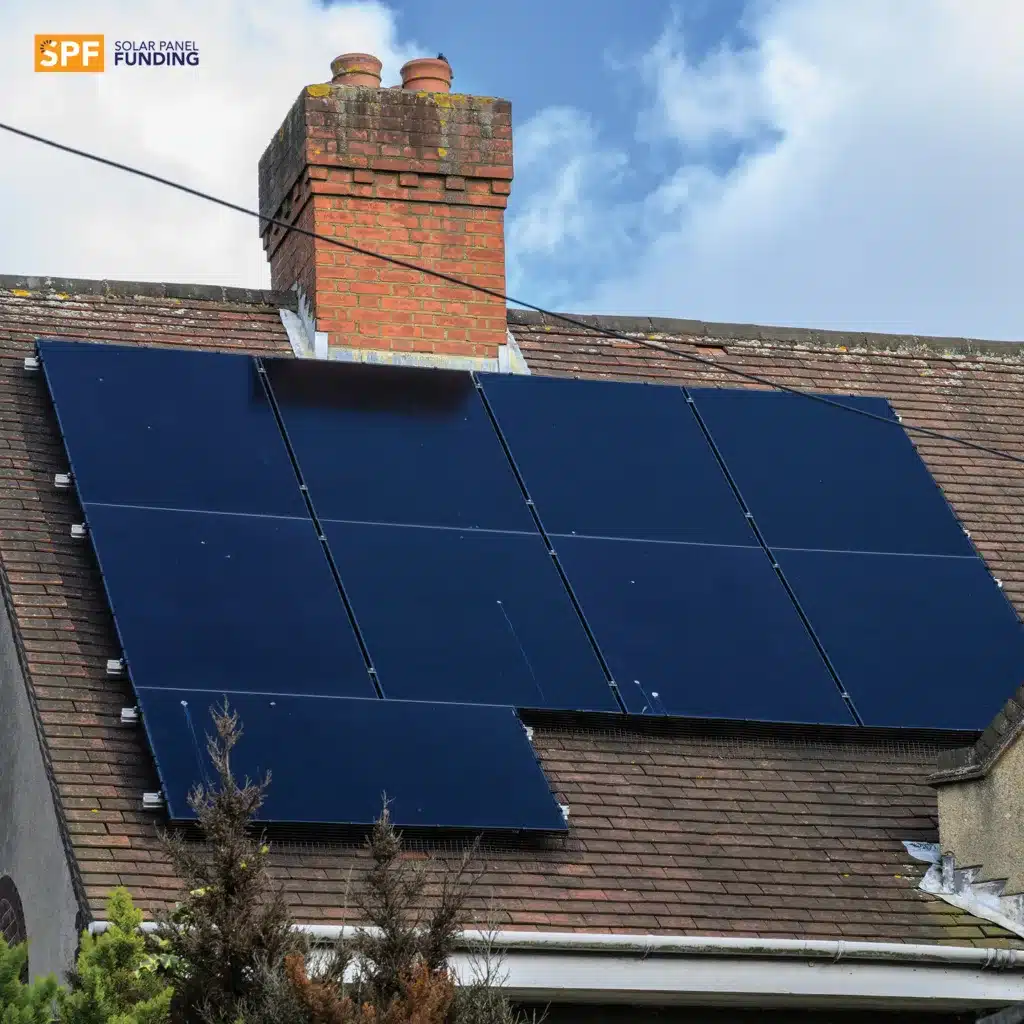
DIY plug in solar panels vs professional solar installation
Searches like DIY plug in solar panels, how to install plug in solar panels, and plug and play solar panel installation explode when people are cost-sensitive.
That makes sense. But cheap and simple at the start can become expensive and limiting later.
With a full rooftop solar system, you are not just buying panels. You are buying design, roof suitability assessment, shading assessment, inverter selection, safety compliance, consumer protection, export readiness and a system that is actually sized to your property. Energy Saving Trust advises homeowners to get quotes from MCS-certified installers. Government guidance on the Smart Export Guarantee says you need an eligible system, a meter capable of half-hourly export readings, and installation and installer certification through MCS or an equivalent scheme to apply for SEG payments.
There is also the grid connection point that DIY pages often gloss over. ENA guidance says microgenerators connecting under G98 must be fully type tested, and that the installer must notify the DNO within 28 days of commissioning.
So yes, plug in solar installation may look easier. That does not mean it is the better financial decision for a homeowner.
Why a full solar panel system beats plug in solar panels for home
A full solar panel system wins for five simple reasons.
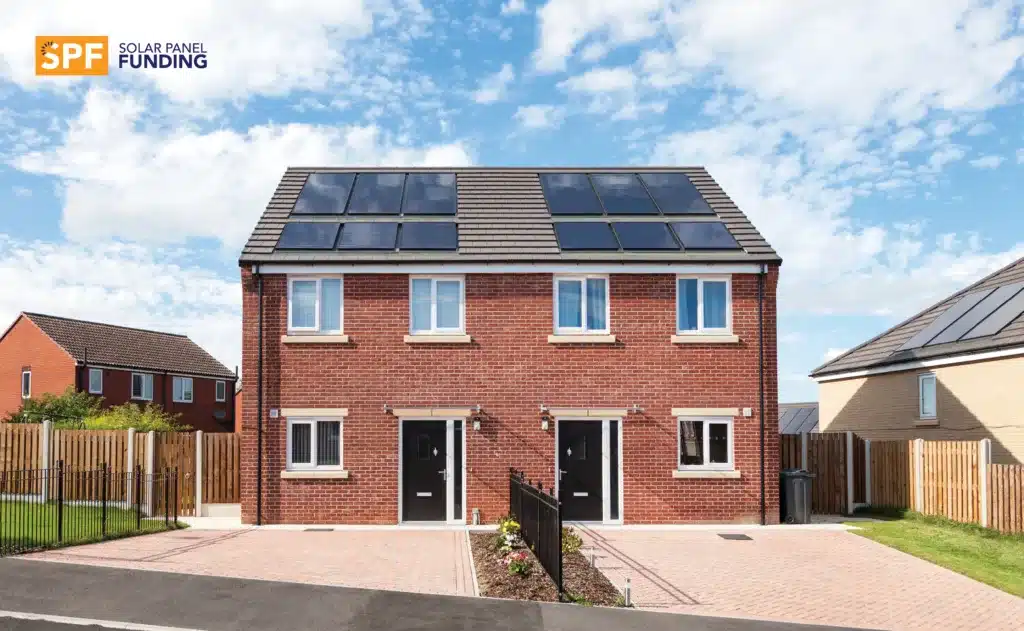
First, it is bigger. A properly designed rooftop system can cover a meaningful share of household demand instead of chipping away at the edges. Energy Saving Trust says a typical domestic system is around 3.5kWp, compared with the sub-800W plug-in category the government is preparing.
Second, it is more flexible. A professionally installed system can work with battery storage, hot water diversion, EV charging and heat pumps. Energy Saving Trust says battery storage typically costs around £5,000 to £8,000, and notes that solar panels are at their best when combined with other renewable technologies. As they are plug-in solar panels, they will start generating electricity as soon as the sun hits them.
Third, it is export-ready. Under the Smart Export Guarantee, eligible households can be paid for electricity exported to the grid, provided the system meets the relevant criteria.
Fourth, it is built for longevity. Energy Saving Trust says solar panels should last 25 years or more.
Fifth, the economics are stronger over time. Energy Saving Trust’s indicative payback examples show rooftop solar can pay back in roughly 9 to 15 years, depending on location and how often someone is home to use the power generated.
That is why homeowners should stop thinking like gadget buyers and start thinking like asset owners.
A plug-in panel is a product.
A full solar system is an upgrade to the economics of your home.
Solar panel funding: how to get solar without the full upfront cost
This is the part where most solar websites get slippery.
There is not one blanket “solar for everyone” scheme.
Energy Saving Trust says there are no dedicated solar panel grants from the UK Government, although households may be able to get funding through other schemes. Ofgem says ECO is an energy-efficiency scheme designed to tackle fuel poverty and reduce carbon emissions, and that ECO4 focuses on the least energy-efficient homes, especially properties in EPC bands D to G. Ofgem also makes clear that ECO is not a grant scheme, and funding levels depend on what energy companies decide to support.
At the same time, the policy direction is obvious. In January 2026, the government announced a £15 billion Warm Homes Plan to help households benefit from solar panels, batteries, heat pumps and insulation, with targeted help for low-income families and a broader offer to support more households with home upgrades.
That means homeowners should not try to guess their route from a blog post.
They should apply.
At Solar Panel Funding, the job is to help homeowners cut through the noise and find out whether a full rooftop system is possible through available funding routes, installer-led finance, or a structured purchase plan that avoids paying everything on day one. The point is not to sell you the smallest solar item you can plug into a socket. The point is to get you into a system that actually changes your bills.
Why homeowners should apply now
If you are looking at plug in solar panels for home, you already know you want lower bills.
Do not stop at the smallest version of the idea.
A full solar panel system can generate more electricity, work with a battery, qualify for export payments where eligible, and add long-term value to the home. There are already over 1.3 million solar installations on homes across the UK, and government policy is clearly pushing the market further forward.
If your roof is suitable, the smarter move is to check whether you can access a professionally installed system without taking the full financial hit upfront.
Apply for solar panel funding now and get a clear answer on: Whether a full solar panel system beats plug in solar for your home.
FAQ: Plug In Solar Panels UK
What is a plug in solar panel?
A plug in solar panel is a small solar kit, usually using one or two panels and a microinverter, designed to feed electricity into your home through a mains socket rather than through a standard rooftop solar installation. The government says these systems are aimed at balconies or outdoor spaces and are being brought to the UK market as a low-cost option.
How do plug in solar panels work?
They generate electricity from daylight in the same basic way as standard solar PV. The electricity is then converted so your home can use it, with plug-in kits designed to feed that power into the home through a socket connection.
How much are plug in solar panels?
Final UK pricing will vary by brand and retailer, but price alone is the wrong metric. The more important point is that the government’s planned plug-in category is under 800W, while Energy Saving Trust cites 3.5kWp as a typical domestic rooftop system. That means plug-in solar is a much smaller system, so expectations on savings need to stay realistic.
Is plug in solar legal in the UK?
The government announced on 24 March 2026 that plug-in solar would be made available within months and that it would update G98 and BS 7671 to allow sub-800W plug-in solar panels to domestic mains sockets with tailored safety standards. So the position is changing quickly, and blanket claims that plug in solar is simply “illegal” are already outdated.
Are plug in solar panels worth it?
For renters, flats and homes without roof control, they may be a useful small-scale option. For most homeowners with a good roof, a full solar panel system is normally the better answer because it is larger, more flexible and better aligned to long-term savings.
Can I get paid for electricity exported from solar?
Potentially, yes, through the Smart Export Guarantee. But government guidance says you need an eligible renewable electricity system, a meter capable of half-hourly export readings, and installation and installer certification through MCS or an equivalent scheme.
What is the best alternative to plug and play solar panels UK?
For most owner-occupiers, the best alternative is a professionally installed rooftop solar system sized to the property and future usage. That gives you meaningful generation, better compatibility with batteries and EVs, and a route to export payments where eligible.
Can I get solar panels without the upfront cost?
Possibly, depending on your home, your circumstances and what support is currently available. Energy Saving Trust says there is no universal dedicated solar grant for everyone, but Ofgem’s ECO scheme and the government’s Warm Homes Plan show that funding and support routes do exist for some households.
Get Proper Solar Panels
Stop shopping for a tiny fix if what you need is a real solution.
Apply for Solar Panel Funding today and find out whether you could install a full solar panel system, cut your household energy bills properly, use clean energy and avoid paying the full upfront cost in one hit. Please visit the home page or click the button below to fill out the funding checker and see if you qualify for solar panel funding.